Transport International Profit Plummets 86.7% Amid Soaring Fuel Costs
AM730 · 1 SOURCESabout 3 hours ago2 MIN
Summary
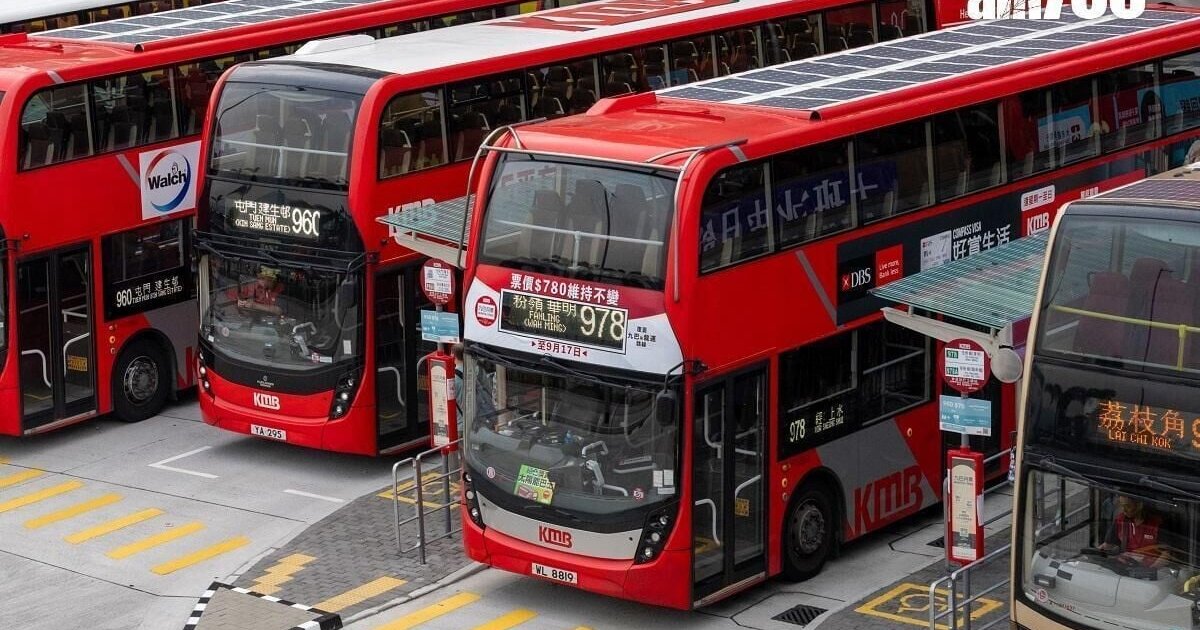
Transport International (062), the listed holding company of Kowloon Motor Bus (KMB), released its interim results for the six months ending June 2026, revealing a dramatic 86.7% year-on-year plunge in shareholder attributable profit to HK$25.2 million. Total revenue marginally decreased by 0.47% to HK$4.206 billion, while underlying profit excluding fair value changes on investment properties fell 48% to HK$148.4 million from HK$285.1 million in the same period last year. The sharp decline was primarily attributed to significantly higher international fuel prices caused by the Middle East crisis, which offset the benefits of government fuel and tunnel fee subsidies .
Key Points
- Transport International's earnings per share (EPS) stood at HK$0.05, with no interim dividend declared
- KMB's after-tax profit tumbled 55.07% to HK$79.4 million from HK$176.7 million, as elevated fuel costs and salary adjustments squeezed margins, though government subsidies and reduced tunnel fees partially mitigated losses
- KMB recorded fare revenue of HK$3.5435 billion, down 1.0% from HK$3.5779 billion, reflecting slightly lower passenger ridership, while total operating costs rose 2.7% to HK$3.6109 billion
- Long Win Bus saw after-tax profit fall 31% to HK$17.4 million despite a 6.5% increase in fare revenue to HK$334.6 million, driven by ridership growth, as operating costs surged 10.8% to HK$315.6 million
- The group noted that government short-term fuel and tunnel fee subsidies helped cushion the blow, and various cost control measures were implemented to alleviate financial impacts
Why It Matters
Hong Kong's public bus operators face mounting pressure from external factors beyond their control. The vulnerability exposed by volatile international fuel prices demonstrates the need for sustainable energy transition strategies. For daily commuters, continued cost escalation without corresponding fare adjustments could eventually threaten service frequency and route coverage across the territory's public transportation network .
Hong Kong's public bus operators face mounting pressure from external factors beyond their control. The vulnerability exposed by volatile international fuel prices demonstrates the need for sustainable energy transition strategies. For daily commuters, continued cost escalation without corresponding fare adjustments could eventually threaten service frequency and route coverage across the territory's public transportation network .