Hong Kong Ballet Director Transforms 20-Year-Old Wedding Dress into Sustainable Fashion
SingTao · 1 SOURCESabout 3 hours ago5 MIN
Summary
Lee Yik-suen, Executive Director of the Hong Kong Ballet, has breathed new life into her 2004 French designer wedding dress through sustainable fashion. The HK$30,000 gown, purchased by her husband for their wedding, had remained stored for two decades until Lee collaborated with upcycling designer Toby Crispy in 2024. The transformation converted the elaborate gown into three modern everyday pieces, exemplifying a philosophy of cherishing memories while reducing fashion waste.
Key Points
- Lee Yik-suen, Executive Director of the Hong Kong Ballet, commissioned a French designer wedding dress for HK$30,000 in 2004, paying for what she described as a "luxurious and whimsical sense of ritual" despite knowing the gown would only be worn once .
- For twenty years, Lee carefully preserved the dress—admiring its luxurious fabrics, delicate剪裁 (tailoring), intricate lace, and sparkling beads—viewing it as a keepsake of her most cherished life memories .
- In 2024, Lee approached upcycling fashion designer Toby Crispy to transform the two-decade-old wedding dress, which had been stored beneath her bed, into contemporary garments .
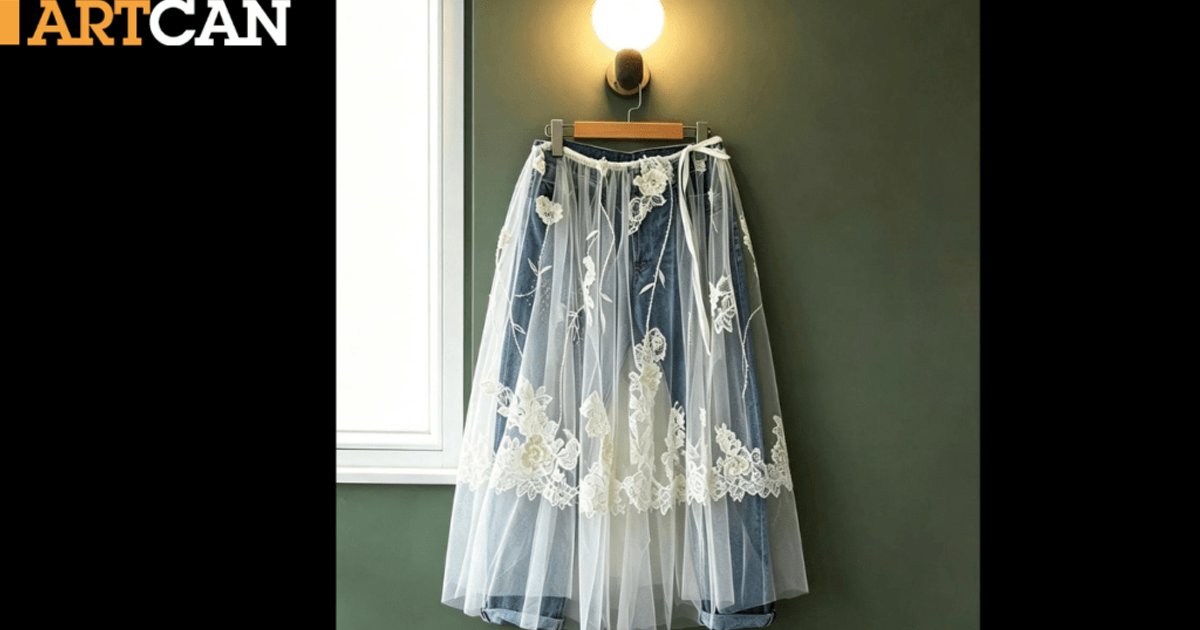
- Through Crispy's craftsmanship, the elegant satin was reimagined as a form-fitting midi skirt, the sparkling beaded mesh became a playful overlay skirt, and the formal tulle was reconstructed into a lightweight tutu-style mini skirt .
- Lee Yik-suen advocates that fashion aesthetics should stem from cherishing, respecting, and preserving the past rather than pursuing endless new purchases, stating that old clothing regeneration honors memories, celebrates craftsmanship, and allows beautiful experiences to transcend time .
Why It Matters
As Hong Kong grapples with textile waste—generating thousands of tonnes of clothing landfill annually—Lee's story demonstrates how emotional attachment to garments can naturally align with environmental sustainability, offering a practical model for conscious consumption in the fashion industry .
As Hong Kong grapples with textile waste—generating thousands of tonnes of clothing landfill annually—Lee's story demonstrates how emotional attachment to garments can naturally align with environmental sustainability, offering a practical model for conscious consumption in the fashion industry .