Policy Address Q&A may merge with five-year plan
SingTao · 1 SOURCESabout 3 hours ago2 MIN
Summary
Hong Kong is preparing to publish its first five-year plan in September, followed closely by Chief Executive John Lee Ka-chiu’s final Policy Address of the current term . According to political sources, the administration and the Legislative Council have a preliminary understanding that the usual Q&A session on the day after the Policy Address could be expanded to cover both the five-year plan and the annual policy blueprint . The arrangement would align with Lee’s earlier position that the two documents are closely linked and should be announced as near to each other as possible . It may, however, complicate schedules for some lawmakers who are also members of the Chinese People’s Political Consultative Conference and had already signed up for a mainland training seminar from September 14 to 18 .
Key Points
- Sources said the government had discussed releasing the five-year plan on September 14, with the Policy Address likely to follow on September 16 .
- Legislative Council President Starry Lee Wai-king reportedly reminded lawmakers that early September remained safe for travel, but mid-September should be avoided .
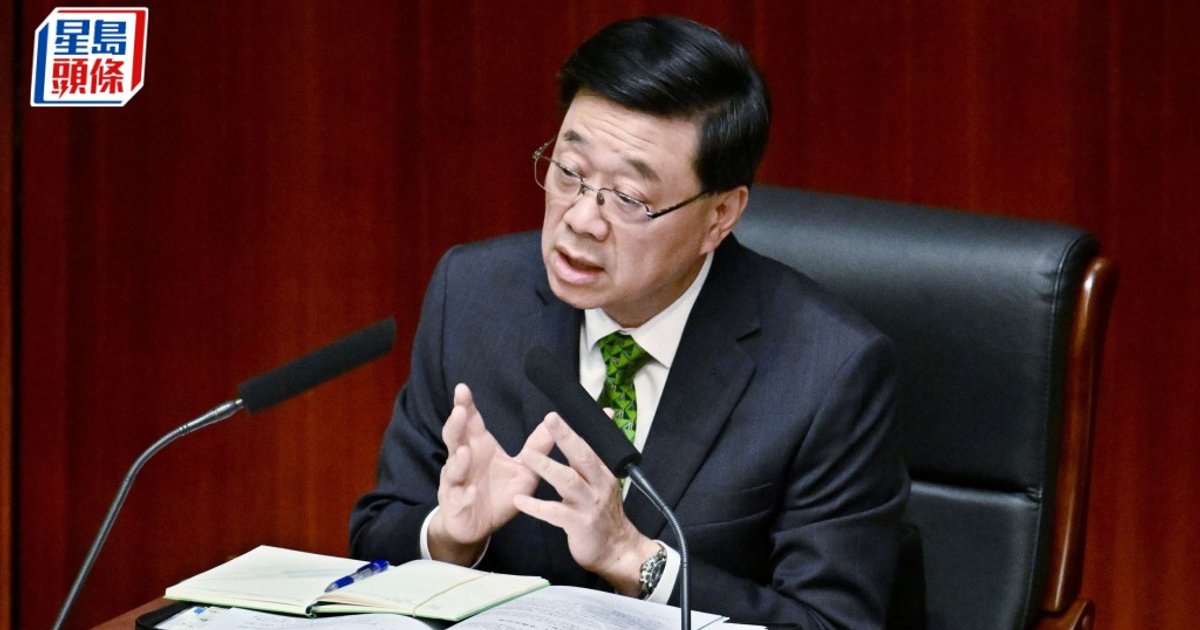
- Under the emerging plan, lawmakers at the post-Policy Address Q&A session could ask John Lee about either the five-year plan or the Policy Address .
- Officials have also studied whether Lee could appear in the Legislative Council chamber specifically to speak or brief members on the five-year plan .
- Some CPPCC members who are also legislators enrolled in a closed-loop seminar at Beidaihe, Hebei, from September 14 to 18, creating a possible scheduling conflict .
Why It Matters
Combining the two discussions would streamline how the government presents its medium-term and annual policy agenda to lawmakers, especially because the five-year plan is a new governance instrument in Hong Kong . For legislators with mainland advisory roles, the compressed September timetable could force choices between local scrutiny of the Chief Executive’s agenda and participation in centrally arranged political activities that are treated as legitimate absences under council rules .