Hong Kong Core Street Shop Rents Hold Steady
AM730 · 1 SOURCESabout 3 hours ago2 MIN
Summary
Hong Kong’s retail market continued to improve in the second quarter of 2026, according to Savills’ August 2026 Hong Kong Retail Leasing Market report, with total retail sales value rising 7.1% year on year and online retail sales up 25.3%.
The recovery remained narrow-based, with spending growth concentrated in non-essential categories such as jewelry, watches and durable consumer goods, while everyday consumption stayed weak.
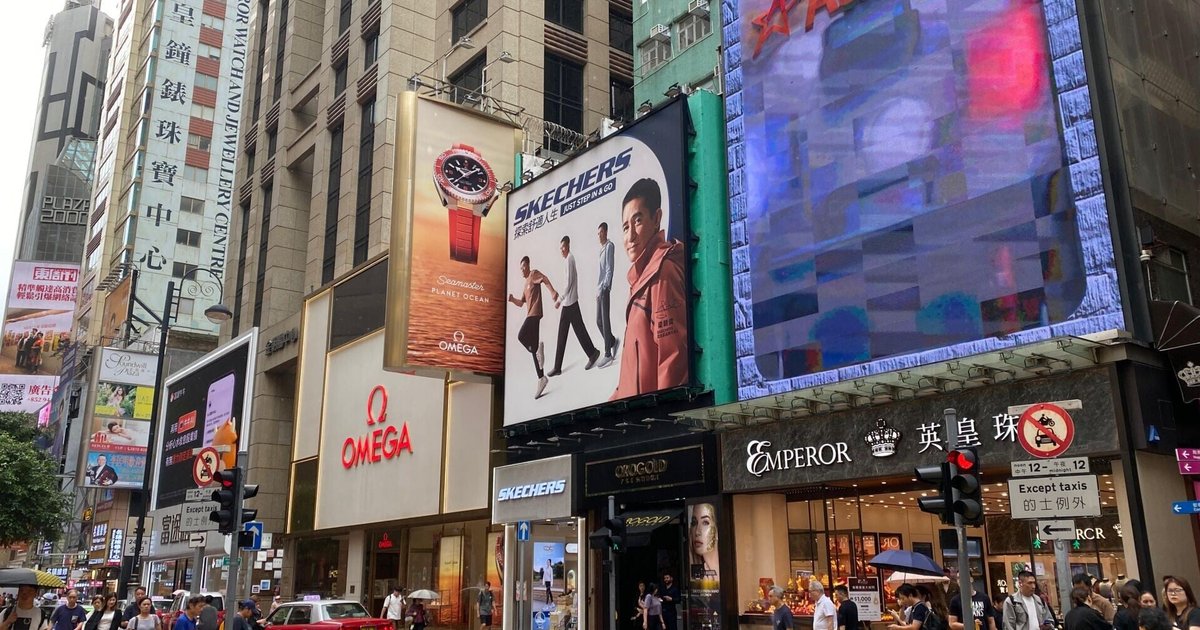
After rebounding in the first quarter, rents for core street shops in Central, Causeway Bay, Tsim Sha Tsui and Mong Kok were flat quarter on quarter in the second quarter, suggesting the market is consolidating rather than entering another rapid upswing.
By contrast, shopping malls in neighborhood districts continued to face pressure from outbound spending to mainland China, e-commerce substitution and soft daily consumption demand.
Key Points
- Savills said Hong Kong’s total retail sales value rose 7.1% year on year in the second quarter of 2026, while online retail sales jumped 25.3%.
- Core street-shop rents in Central, Causeway Bay, Tsim Sha Tsui and Mong Kok were unchanged quarter on quarter after first-quarter gains.
- Overall rents at major shopping malls fell 1.8% quarter on quarter, led by a 2.7% drop in the New Territories.
- Jewelry, watches, clocks and valuable gifts sales climbed 22.1%, while durable consumer goods sales increased 13.8% year on year.
- Hong Kong residents’ northbound spending was estimated at about HK$55.7 billion annually, while average monthly resident departures reached about 10.4 million in early 2026.
Why It Matters
For landlords, the market is no longer being driven simply by a broad cyclical rebound but by asset quality, positioning and tenant mix.
Savills said about 8 million square feet of new retail floor space is expected to open from 2026 onward, meaning projects in new development areas and neighborhood districts will face tougher competition for both tenants and shoppers.
Directors Tony Tong Cheuk-hin and Chan Chak-ming said owners will need sharper positioning, stronger customer conversion and more flexible leasing strategies, including pop-ups and experiential formats, to sustain rental income.