Northern Metropolis to Build Over 500,000 Units; Housing Society Balances Decarbonization and Power Demand
AM730 · 1 SOURCESabout 3 hours ago2 MIN
Summary
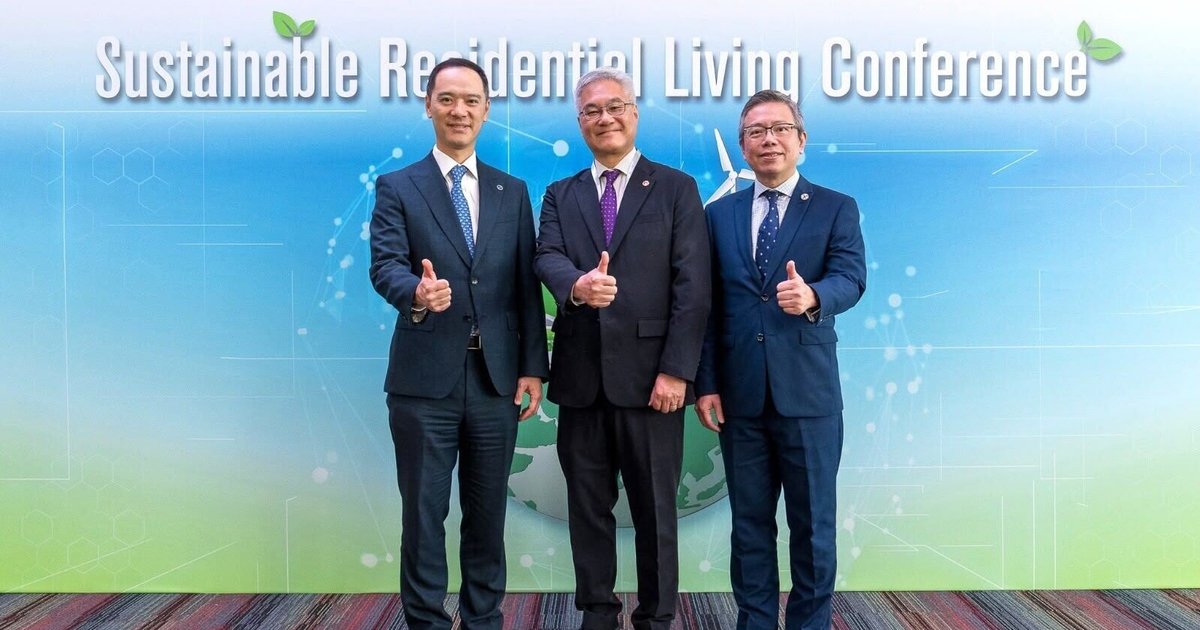
CLP Power and the Hong Kong Science and Technology Parks Corporation jointly hosted a seminar on residential building electrification and sustainable development, drawing stakeholders from various sectors to discuss decarbonization pathways for the residential sector. The event featured an innovation showcase displaying green technologies from ten partner companies and research centers, including radiative cooling, vacuum insulated glass, carbon-absorbing bricks, and zero-carbon concrete .
Key Points
- Buildings account for approximately 90% of Hong Kong's total electricity consumption, producing over 50% of carbon emissions
- Residential electricity usage represents 32% of total building electricity consumption, making residential electrification critical
- The Northern Metropolis development will add over 500,000 residential units, attracting innovation, technology, and emerging industries
- Hong Kong Housing Society Chairman Ling Jiaqin emphasized balancing growing electricity demand with decarbonization and sustainability goals
- CLP allocated HK$30 million through the CLP Community Energy Fund to assist 11,000 grassroots families in replacing high-efficiency inverter air conditioners, water heaters, and washing machines
Why It Matters
The Northern Metropolis project represents a transformative opportunity to implement sustainable building practices at scale, reducing the residential sector's significant carbon footprint while supporting Hong Kong's climate commitments. The combination of government housing initiatives and utility-led appliance upgrade programs demonstrates a coordinated approach to achieving both environmental and social objectives in Hong Kong's future development .
The Northern Metropolis project represents a transformative opportunity to implement sustainable building practices at scale, reducing the residential sector's significant carbon footprint while supporting Hong Kong's climate commitments. The combination of government housing initiatives and utility-led appliance upgrade programs demonstrates a coordinated approach to achieving both environmental and social objectives in Hong Kong's future development .