Why Hong Kong beauty hard-sell tactics still persist
SCMP · 1 SOURCESabout 3 hours ago2 MIN
Summary
Hard-sell sales tactics remain widespread in Hong Kong’s beauty industry, even though the Trade Descriptions Ordinance criminalises aggressive commercial practices that significantly impair a consumer’s freedom of choice . The issue has drawn renewed attention after arrests linked to the Hong Kong operations of beauty chain Opatra London and a rise in online complaints involving other skincare brands . Lawyers told the South China Morning Post that the legal test focuses on whether harassment, coercion or undue influence pushed a consumer into a purchase they would not otherwise have made . They said physical contact is not required for conduct to cross the legal line .
Key Points
- Commercial lawyer Kenix Yuen Pui-kwan said courts would assess the overall conduct and whether it significantly impaired a shopper’s freedom of choice .
- Lawyer Eric Chan Pak-ho said “undue influence” can arise when a seller exploits a position of power without using force or threats .
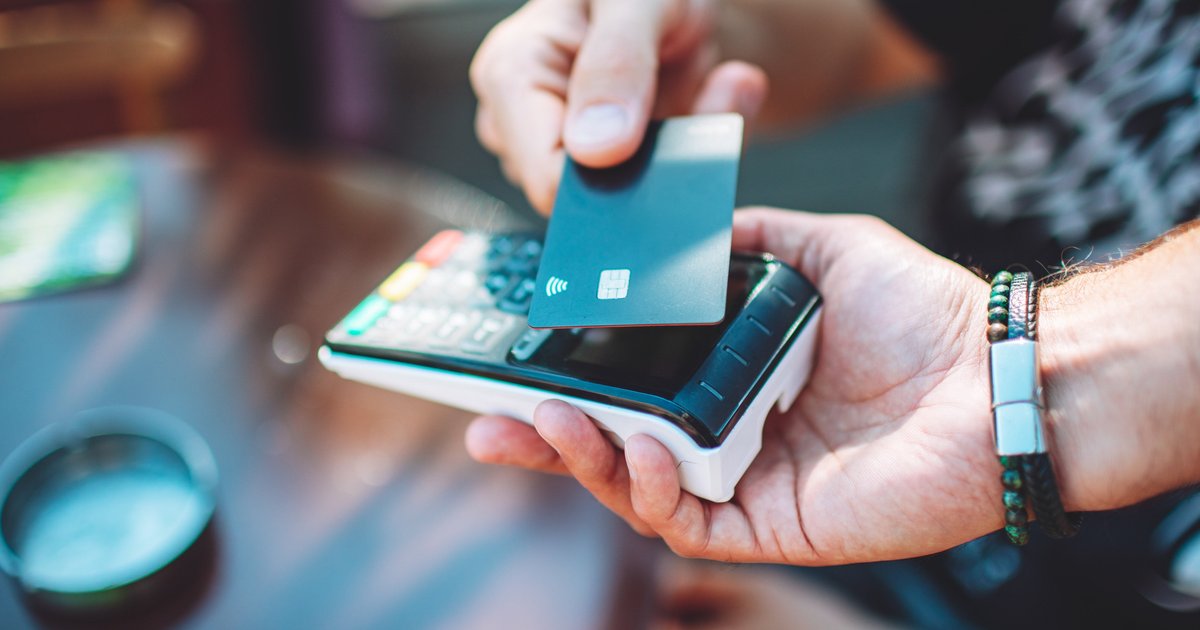
- Chan described snatching a customer’s credit card to process payment as a classic example of coercion under the ordinance .
- Holding a customer’s bank card after the person refuses to buy is also likely to be treated as coercion or undue influence .
- Applying beauty products without consent may not automatically be illegal, but lawyers said it can still count in the overall legal assessment .
Why It Matters
For Hong Kong consumers, the legal threshold is broader than many may assume, because aggressive sales conduct can be actionable even without physical intimidation . That means shoppers who paid simply to end a pressured encounter may still have grounds to report the incident, while repeated complaints keep scrutiny on how beauty retailers sell in the city .