Pop Mart profit rises 10% as Star People surges
On.cc · 2 SOURCESabout 2 hours ago2 MIN
Summary
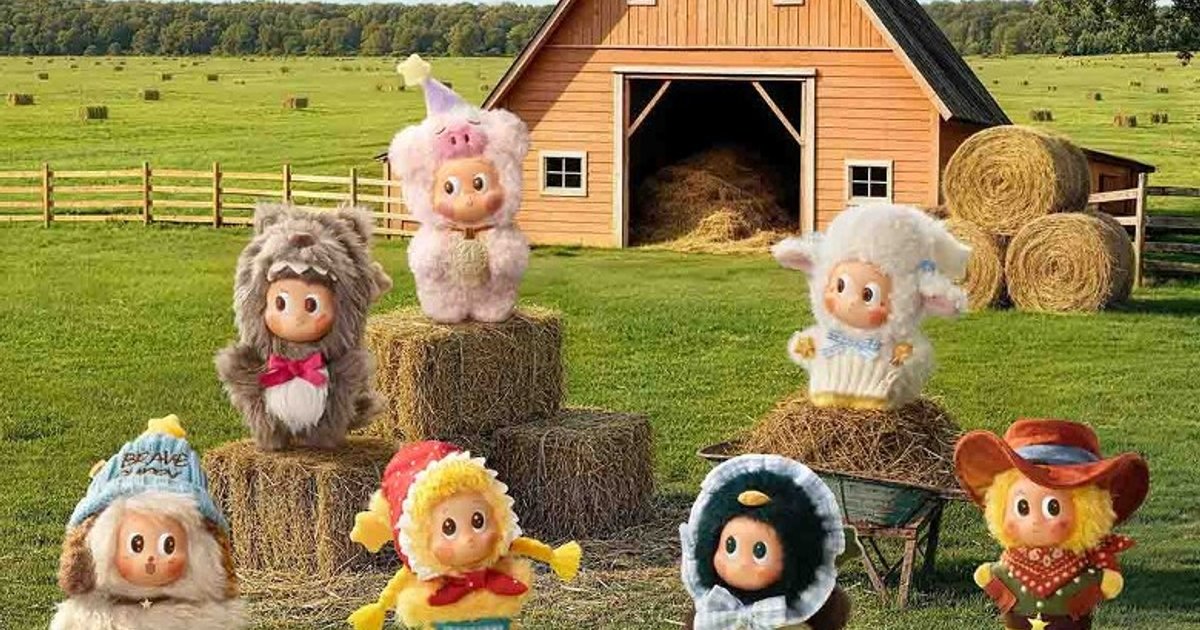
Pop Mart posted interim net profit of RMB5.038 billion, up 10.1% year on year, while first-half revenue rose 23.8% to RMB17.173 billion. The company said 11 artist intellectual properties generated more than RMB100 million each in the period, with The Monsters, Star People, Crybaby, Dimoo, Skullpanda, Hirono and Molly among the biggest contributors. Although The Monsters remained the top-grossing line at RMB4.454 billion, its revenue fell about 7.4% to 7.5% from a year earlier, while Star People surged 5.8 times to RMB2.65 billion and became the group’s fastest-growing IP. Chairman and chief executive Wang Ning said pressure from last year’s high base would likely make it difficult to meet the company’s full-year revenue growth target of 20%
Key Points
- Pop Mart’s gross margin was 69.7%, down 0.6 percentage point, as overseas sales mix weakened and raw-material costs lifted procurement expenses
- Wang Ning said second-half pressure would be greater than in the first half, and the 20% annual revenue growth target may not be achieved
- The company plans its first earnings-call share buyback announcement, targeting repurchases worth not less than RMB2 billion and not more than RMB5 billion
- By IP, Crybaby and Dimoo revenue rose 34% and 46.5% respectively, while The Monsters still led despite softer Labubu-related momentum.
- By market, China revenue rose 47.3% and Europe plus other regions gained 5.9%, but Asia-Pacific and the Americas fell 9.7% and 16.5%
Why It Matters
For Hong Kong investors, the results show Pop Mart is still expanding but is becoming more dependent on refreshing its IP pipeline rather than relying on a single blockbuster character. The buyback plan and management’s warning on slower growth may shape market expectations for consumer-brand valuations, especially for companies exposed to fading online traffic bonuses and normalising fan demand