Japanese Dating Show Tops HK Netflix as Former Biker Stuns With Arson Confession
AM730 · 1 SOURCESabout 3 hours ago5 MIN
Summary
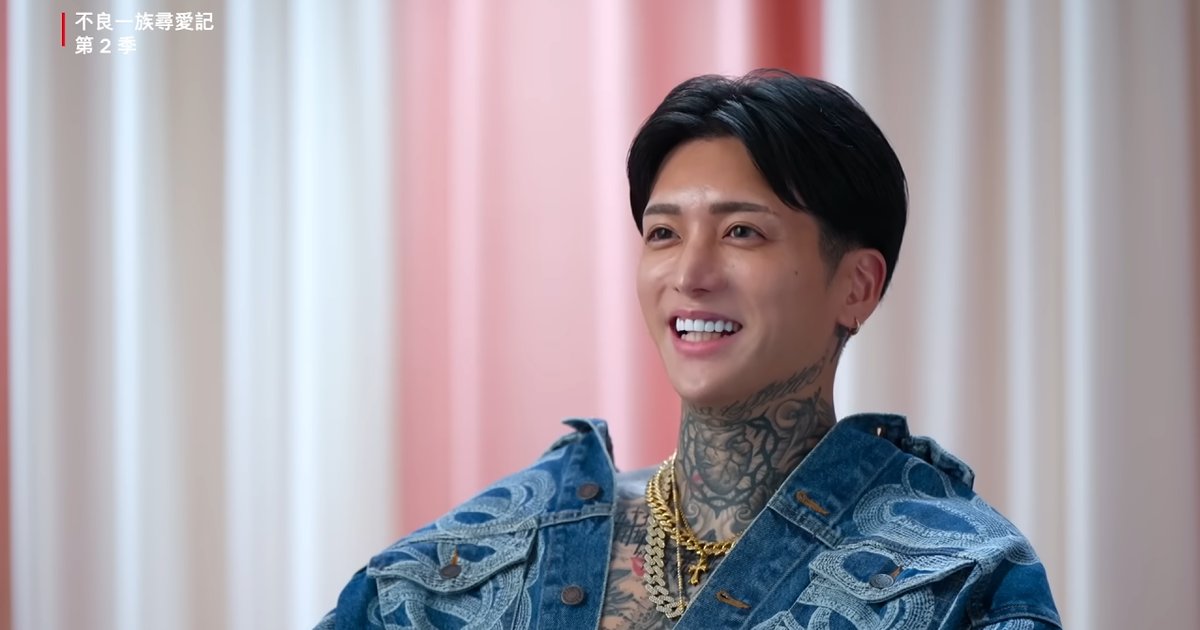
Season 2 of the Japanese dating reality show Outlaws Find Love (不良一族尋愛記) continues to dominate Hong Kong Netflix rankings, weeks after participant Salt田一馬 (Saltada Ichiba), a well-known figure in Japan's host club industry, made a bombshell confession on air. The host club operator, widely known as "Uno," revealed he had "burned people with fire" during his past, triggering intense online criticism and harassment directed at cast members. Host and producer MEGUMI has issued urgent appeals for viewers to cease the attacks, while the show has announced an extension with new cast members joining the remaining episodes.
Key Points
- Salt田一馬, a prominent figure in Japan's host club scene operating under the name "Uno," shocked viewers by confessing to past arson against people during the show's broadcast .
- The confession ignited widespread backlash, with netizens flooding cast members' social media accounts with hostile and defamatory messages .
- MEGUMI, serving as both host and producer, posted statements in Japanese and English on Instagram urging viewers to stop the harassment, emphasizing that participants "put everything on the line" with "considerable resolve" .
- Japan's Ministry of Justice Protection Bureau subsequently partnered with the show to promote rehabilitation, distributing approximately 2,000 co-branded posters nationwide, though this move sparked further debate about romanticizing crime .
- The show, originally planned for 10 episodes, announced it will add eight new cast members in a "Season 2 Part 2" format, with new episodes releasing from August 25 and continuing into early September .
Why It Matters
This controversy highlights the tension between entertainment value and social responsibility in reality programming featuring individuals with criminal backgrounds. The show's government partnership for rehabilitation messaging, while well-intentioned, underscores how Netflix-era reality content increasingly blurs lines between criminal reform advocacy and glamorizing past wrongdoing that affected real victims.
This controversy highlights the tension between entertainment value and social responsibility in reality programming featuring individuals with criminal backgrounds. The show's government partnership for rehabilitation messaging, while well-intentioned, underscores how Netflix-era reality content increasingly blurs lines between criminal reform advocacy and glamorizing past wrongdoing that affected real victims.