URA Posts HK$338 Million Operating Surplus After Three Years of Losses
SCMP · 1 SOURCESabout 2 hours ago2 MIN
Summary
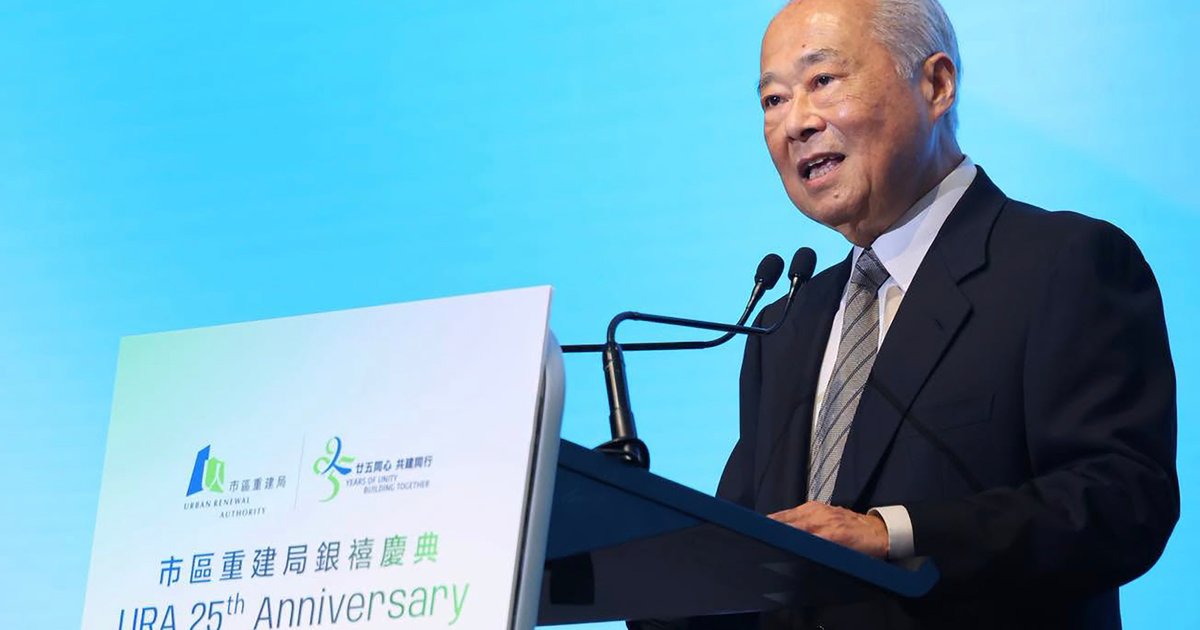
Hong Kong's Urban Renewal Authority (URA) has achieved a significant financial turnaround, posting an operating surplus of HK$338 million (US$43.3 million) for the 2025-26 financial year after enduring three straight years of losses. The positive results were announced by Chairman Chow Chung-kong at a banquet on Friday commemorating the statutory body's 25th anniversary. The authority had earlier taken steps to address its financial challenges by raising HK$8 billion through bond sales to finance capital expenditure and new projects.
Key Points
- URA records operating surplus of HK$338 million for 2025-26 financial year, reversing three consecutive years of losses
- Chairman Chow Chung-kong credits the turnaround to "flexible strategies" amid volatile external environment and property market fluctuations
- Earlier this year, the authority raised HK$8 billion by selling bonds to finance capital expenditure and new projects
- Authority prioritises enhanced "Smart Tender" scheme to improve support for property owners hiring contractors and consultants
- Chief Executive John Lee Ka-chiu confirms government review of URA's financial model and acquisition policies
Why It Matters
The URA's return to profitability demonstrates the viability of Hong Kong's urban renewal model amid challenging property market conditions, ensuring the statutory body can continue its mission of redeveloping older districts. The government's commitment to reviewing the authority's operating framework signals potential policy adjustments that could accelerate renewal projects across the territory, directly impacting residents in aging neighbourhoods.
The URA's return to profitability demonstrates the viability of Hong Kong's urban renewal model amid challenging property market conditions, ensuring the statutory body can continue its mission of redeveloping older districts. The government's commitment to reviewing the authority's operating framework signals potential policy adjustments that could accelerate renewal projects across the territory, directly impacting residents in aging neighbourhoods.