Brunei Sultan Strips Daughter-in-Law of Royal Title Over Disrespect Allegations
SingTao · 2 SOURCESabout 2 hours ago5 MIN
Summary
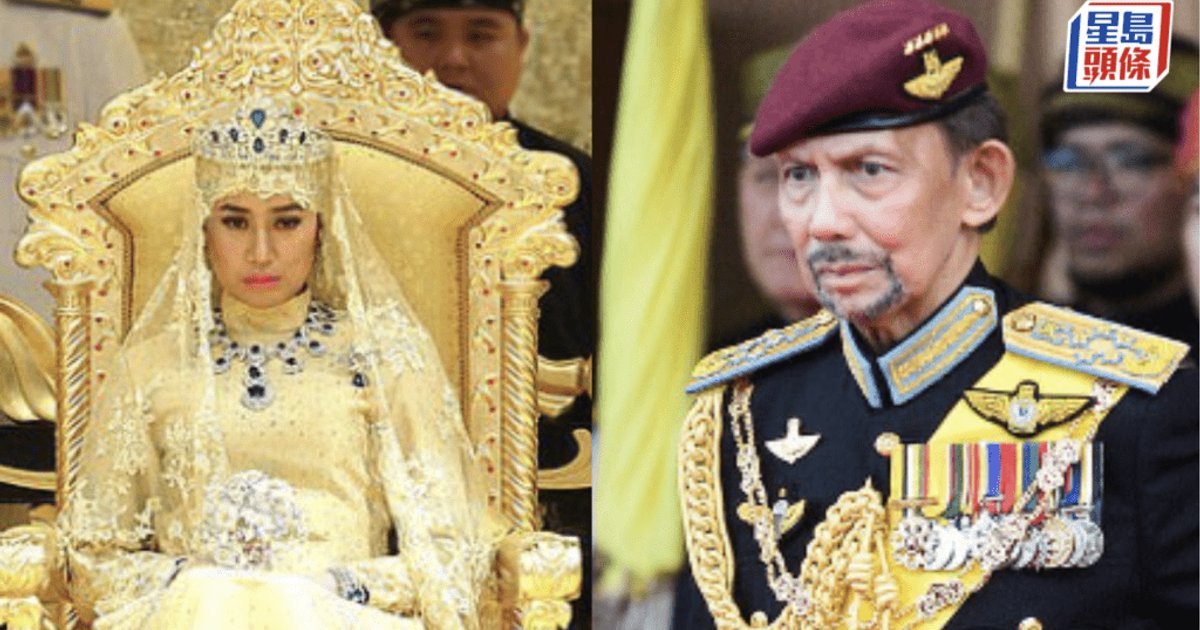
Brunei's Sultan Hassanal Bolkiah, the 80-year-old longest-reigning current monarch, has issued a rare public sanction against a core family member by stripping his daughter-in-law of her royal title. The royal decree removes all王室頭銜 from Pengiran Raabi'atul Adawiyyah, who married into the ruling family in 2015, citing conduct deemed incompatible with her status as a royal consort. The palace announcement claimed her actions damaged the reputation of the monarchy and demonstrated disrespect toward the Sultan, Queen Saleha, and the broader royal institution .
Key Points
- Pengiran Raabi'atul Adawiyyah, 33, married Prince Abdul Malik in April 2015 at the Nurul Iman Palace in a lavish 10-day celebration
- The royal order specifically removed her title "Yang Amat Mulia Pengiran Anak Isteri" (Princess Consort), effective immediately
- The Palace Chamberlain's Office stated her behavior was deemed unsuitable for a royal consort and showed disrespect to the Sultan and Queen
- The couple have four daughters—Princess Muthee'ah (10), Princess Fathiyyah (8), Princess Khaalishah (6), and Princess Nabeelah (16 months)—who retain their royal status
- Prince Abdul Malik is the second son of Sultan and Queen Saleha, positioned fourth in Brunei's line of succession
Why It Matters
This rare public disciplinary action against a royal family member, without accompanying divorce proceedings, marks an unusual public airing of internal Brunei palace disputes. The incident draws renewed international attention to the absolute monarchy, which has faced criticism for its strict Islamic penal code, including laws that prescribe stoning for homosexuality and adultery . As Brunei continues to navigate its unique blend of traditional Malay monarchy and modern Islamic governance, such incidents reveal the strict social hierarchies maintained within the world's remaining absolute monarchies.
This rare public disciplinary action against a royal family member, without accompanying divorce proceedings, marks an unusual public airing of internal Brunei palace disputes. The incident draws renewed international attention to the absolute monarchy, which has faced criticism for its strict Islamic penal code, including laws that prescribe stoning for homosexuality and adultery . As Brunei continues to navigate its unique blend of traditional Malay monarchy and modern Islamic governance, such incidents reveal the strict social hierarchies maintained within the world's remaining absolute monarchies.