Trump Claims Full US Control of Strait of Hormuz as Iran Vows to Keep Channel Closed
Crhk · 2 SOURCESabout 2 hours ago5 MIN
Summary
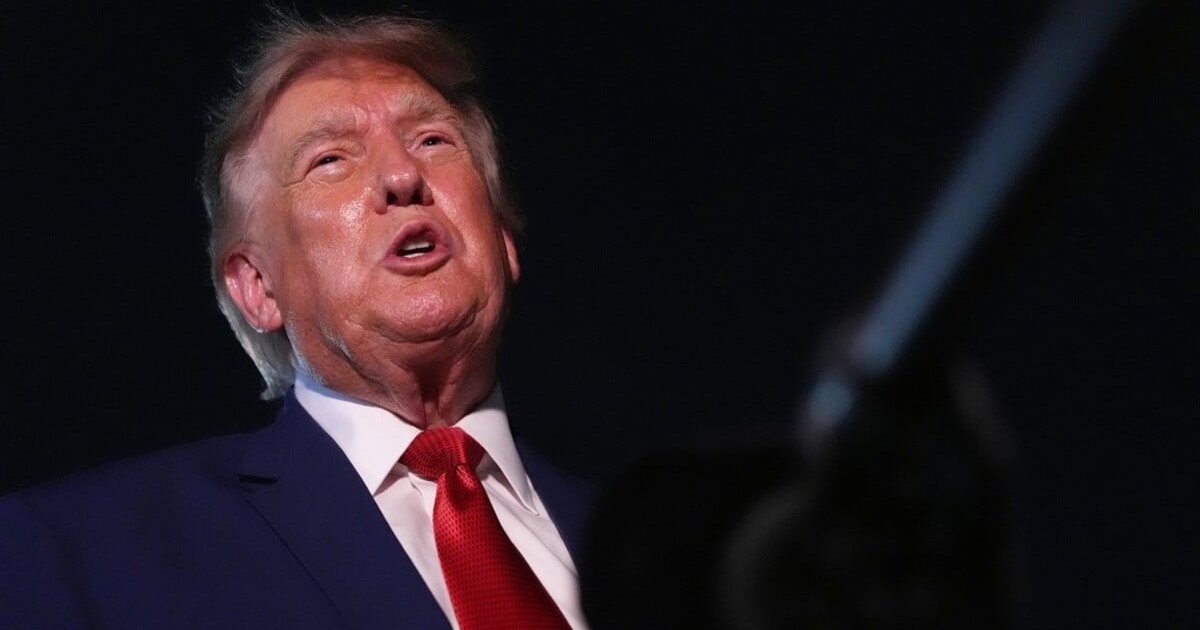
President Trump declared Monday that the United States maintains absolute control over the Strait of Hormuz, stating that American naval forces have established an impenetrable blockade. The US military has deployed over 20 warships in the Middle East and intercepted numerous merchant vessels under its sanctions regime against Iran. Meanwhile, Tehran has rejected Trump's assertions, with Iranian officials insisting the strategic waterway will remain closed until Washington meets five specified conditions .
Key Points
- Trump stated on social media that the US has "completely" taken control of the Strait of Hormuz, describing the naval blockade as an "iron wall" with Iran having no countermeasures
- The US Central Command confirmed deployment of more than 20 warships enforcing the blockade, having forced 55 merchant vessels to alter course and rendered 2 ships unseaworthy
- Shipping traffic through the strait has plummeted: 15 vessels on August 7, dropping to 11 on August 8, and仅 6 on August 9
- Iran's National Security Secretary Ali Akbar Ahmadian listed five prerequisites for reopening the waterway, including permanent cessation of military operations and lifting of all sanctions
- Iranian Revolutionary Guard Corps spokesman Ali Mohammad Naini declared Tehran's strategy is to maintain control until the enemy accepts all conditions and acknowledges defeat
Why It Matters
The Strait of Hormuz handles approximately 20% of global oil shipments, making this confrontation a critical factor for worldwide energy markets and shipping insurance rates . The standoff between two major powers over one of the world's most vital maritime chokepoints risks escalating regional tensions and disrupting global trade routes that Hong Kong's shipping industry heavily depends upon.
The Strait of Hormuz handles approximately 20% of global oil shipments, making this confrontation a critical factor for worldwide energy markets and shipping insurance rates . The standoff between two major powers over one of the world's most vital maritime chokepoints risks escalating regional tensions and disrupting global trade routes that Hong Kong's shipping industry heavily depends upon.