1000 Yen Banknote Sparks Online Debate Over Likeness to Hong Kong Actor
AM730 · 1 SOURCESabout 2 hours ago5 MIN
Summary
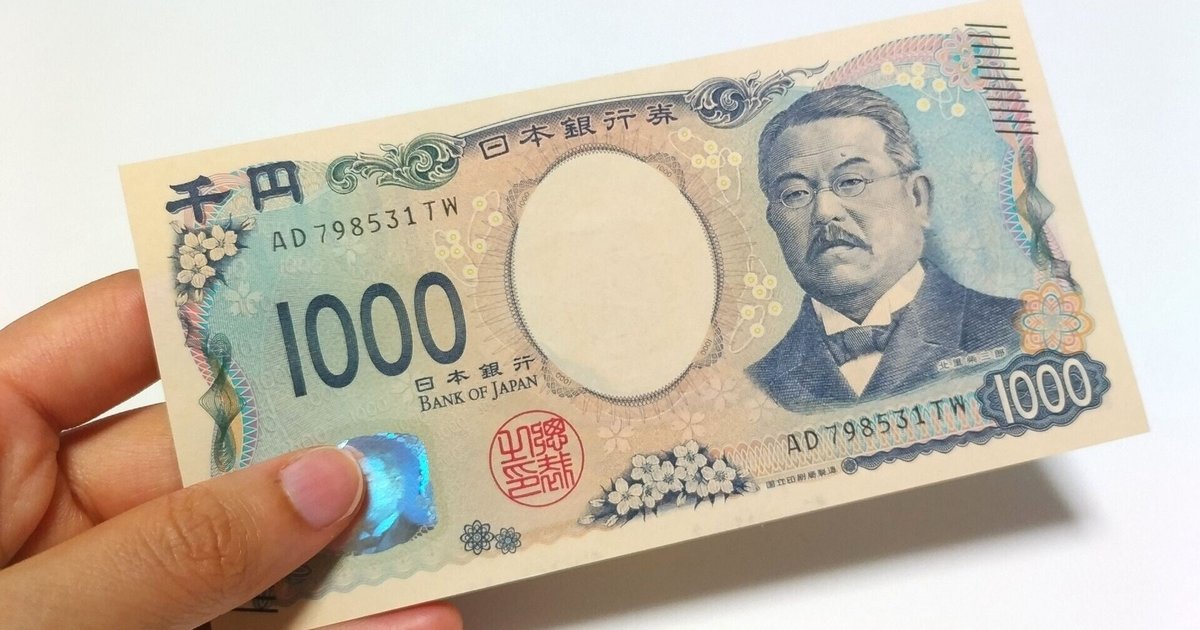
A social media post on Threads comparing the portrait on Japan's 1000 yen banknote to a Hong Kong TV character has captured widespread attention online. The banknote, which began circulating in July 2024, features renowned bacteriologist Kitasato Shibasaburo. Hong Kong netizens quickly pointed out the striking resemblance to 'Uncle Root' (根叔), a beloved character in TVB's long-running drama 'Always and Ever' portrayed by veteran actor Lau Dan. The humorous observation sparked waves of discussion, with other users sharing similar comparisons between Asian banknote figures and Hong Kong personalities. Beyond the entertainment value, the post also highlighted Kitasato's significant medical contributions, including his groundbreaking work on the plague bacillus in Hong Kong in 1894.
Key Points
- The 1000 yen banknote, redesigned in July 2024, features bacteriologist Kitasato Shibasaburo, who made major contributions to medicine
- Netizens compared Kitasato's portrait to 'Uncle Root,' played by veteran actor Lau Dan in TVB's 'Always and Ever,' calling it a 'perfect match'
- Kitasato was born in 1853 in what is now Kumamoto Prefecture and entered the domain's Western Medicine Institute in 1871
- In 1889, Kitasato became the first scientist to cultivate tetanus bacteria, and in 1890 discovered tetanus antitoxin, working with Behring on serum therapy
- Kitasato conducted plague research in Hong Kong in 1894 and discovered the plague bacillus, contributing significantly to understanding the disease
Why It Matters
For Hong Kong readers, this viral observation bridges Japanese currency history with local pop culture, creating unexpected cross-cultural entertainment during the summer travel season when many plan trips to Japan . The discussion also serves as a gentle reminder of Kitasato's historical connection to Hong Kong, where his plague research helped advance medical science globally .
For Hong Kong readers, this viral observation bridges Japanese currency history with local pop culture, creating unexpected cross-cultural entertainment during the summer travel season when many plan trips to Japan . The discussion also serves as a gentle reminder of Kitasato's historical connection to Hong Kong, where his plague research helped advance medical science globally .