Beijing's 751 Park Transforms Historic Gas Factory Into Cultural Hub
AM730 · 1 SOURCESabout 2 hours ago2 MIN
Summary
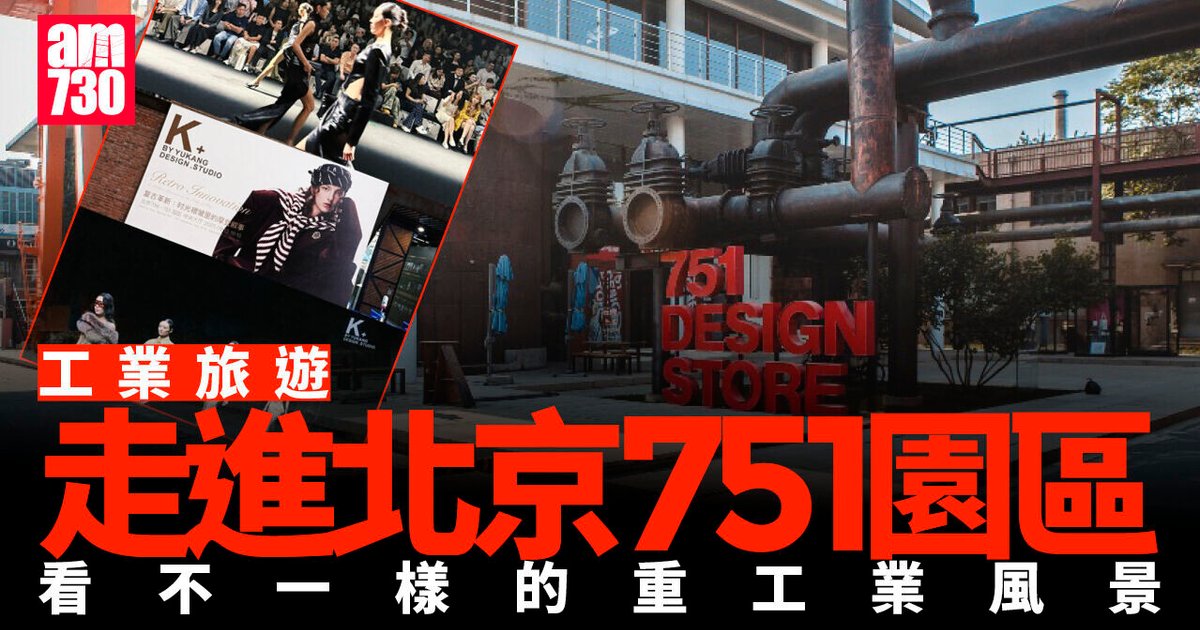
Beijing's 751 Park, a former state-owned gas factory established in 1954, has been successfully converted into a vibrant cultural and creative district spanning approximately 220,000 square meters in the Chaoyang District. The heritage site, which ceased gas production in 2003, now hosts over 150 designer brands and serves as a venue for major events including China International Fashion Week. The park exemplifies innovative urban renewal by preserving industrial infrastructure while infusing contemporary creative energy.
Key Points
- The 751 Gas Factory was one of 156 key construction projects during China's First Five-Year Plan period, built with technical assistance from East Germany
- The facility operated for nearly 50 years as one of Beijing's three major artificial gas production plants before shutting down in 2003
- In 2006, the factory underwent transformation into 751 D·PARK Fashion Design Plaza, becoming connected to the neighboring 798 Art District
- Iconic attractions include the "79 Tank" converted from gas storage containers, a desulfurization tower repurposed as a fashion corridor, and the Locomotive Square
- The park serves as a permanent venue for China International Fashion Week, 751 International Design Festival, and China International University Student Fashion Week
Why It Matters
The 751 Park represents a pioneering model for industrial heritage conservation in China, demonstrating how obsolete manufacturing facilities can be reimagined as dynamic cultural spaces that blend historical authenticity with contemporary creativity. For visitors seeking alternatives to Beijing's traditional tourist sites, the park offers a unique window into the city's industrial past while showcasing its evolving creative economy .
The 751 Park represents a pioneering model for industrial heritage conservation in China, demonstrating how obsolete manufacturing facilities can be reimagined as dynamic cultural spaces that blend historical authenticity with contemporary creativity. For visitors seeking alternatives to Beijing's traditional tourist sites, the park offers a unique window into the city's industrial past while showcasing its evolving creative economy .