Urban Farming Scholar Sees Gardens Build Hong Kong Communities
SingTao · 1 SOURCESabout 2 hours ago2 MIN
Summary
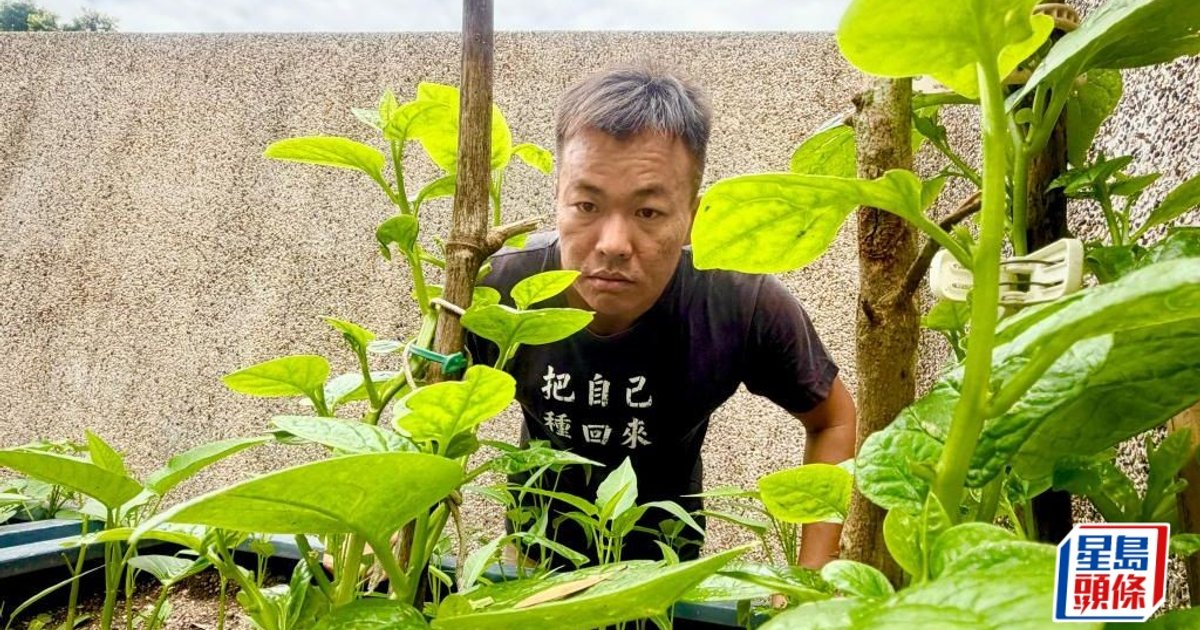
Lau Hoi-lung, a 38-year-old Hong Kong researcher in sustainable agriculture, says urban planting should be valued not only for food production but also for its power to connect communities. After completing a doctoral thesis earlier this year on the idea that “planting is not just for food”, he said the Covid-19 period showed how community gardens could become rare social spaces and sources of emotional support. He also argues that small-scale local growing can help people reflect on the carbon emissions and resource use behind imported vegetables, and gradually adopt seasonal eating habits. In recent years, he has also taught schoolchildren to plant, hoping they will learn humility and respect for nature rather than simply become farmers
Key Points
- Lau said Hong Kong remains highly urbanised but still has many growers, from balcony and backyard hobbyists to applicants for community allotments and friends renting rural farmland together
- During the pandemic, parent volunteers worked in school gardens while sharing the strains of supervising children’s online classes, turning planting into mutual support and community bonding
- After visiting Singapore, Lau suggested opening planter beds and green spaces in public housing estates and along pavements for residents, as existing community plots are oversubscribed
- Living in rural Sheung Shui, Lau grows seasonal fruits and vegetables with friends, but said recent extreme heat nearly caused heatstroke and heavy rain flooded his chives
- Over the past two years, he collected two tonnes of used coffee grounds from a Fanling cafe for compost, calling it proof of community resource-sharing and friendship
Why It Matters
For Hong Kong, Lau’s case links climate adaptation, waste reduction and neighbourhood ties through a form of urban life that does not depend on large harvests. His argument suggests that even limited growing space can still shape public habits, from reusing local organic waste to rethinking year-round demand for out-of-season produce