Fukushima Wastewater Discharge at 3-Year Mark; Japan Pressures HK, Macau to Lift Import Bans
AM730 · 2 SOURCESabout 1 hour ago2 MIN
Summary
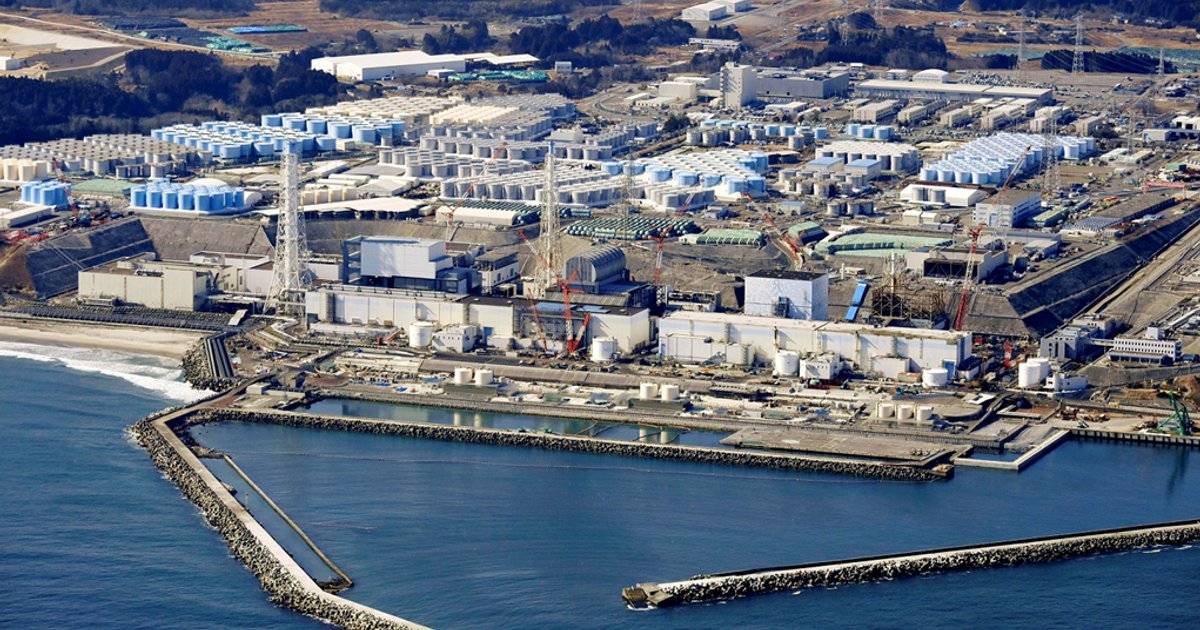
The discharge of treated wastewater from Japan's Fukushima Daiichi nuclear power plant marked its third anniversary on Monday, August 24, having released approximately 170,000 tons of nuclear-contaminated water into the ocean across 22 separate discharges. Japan is pressing Hong Kong and Macau to lift their remaining import restrictions on Japanese food products, insisting these measures lack scientific basis and citing approval from the International Atomic Energy Agency (IAEA). Hong Kong authorities, however, announced they will maintain current import controls and continue comprehensive radiation testing programs, with all 253,961 samples of Japanese aquatic products tested over three years found to be within safe limits.
Key Points
- Japan's TEPCO has discharged approximately 170,000 tons of treated nuclear wastewater over 22 occasions since August 2023
- Only 7% reduction in stored wastewater volume achieved in three years, with 1.24 million tons remaining
- Hong Kong's Centre for Food Safety tested 253,961 samples of Japanese imports over three years, all compliant
- Hong Kong maintains import bans on Japanese aquatic products from 10 prefectures, including Tokyo and Fukushima
- Japan Consul-General in Hong Kong published a statement criticizing the continued restrictions as lacking scientific justification
- Fukushima Governor Uchibori Masao said no major problems occurred during discharge operations and called for trade restrictions to be lifted
- China resumed imports from 37 Japanese prefectures in June 2025, while Hong Kong and Macau maintain broader controls
Why It Matters
This three-year milestone highlights the ongoing tension between Japan's nuclear safety assurances backed by IAEA monitoring and Hong Kong's precautionary approach to food safety, particularly significant for a city that historically ranked among the largest importers of Japanese agricultural and seafood products in Asia .
This three-year milestone highlights the ongoing tension between Japan's nuclear safety assurances backed by IAEA monitoring and Hong Kong's precautionary approach to food safety, particularly significant for a city that historically ranked among the largest importers of Japanese agricultural and seafood products in Asia .