Noise complaint bar high in Wong Tai Sin case
HK01 · 1 SOURCESabout 2 hours ago2 MIN
Summary
Public housing federation secretary-general Chiu Kwok-wai said the Housing Department’s approval of an internal transfer for the household involved in the Wong Tai Sin Upper Estate case amounted to a positive response to a resident’s need to move. He added that noise complaints in public housing are difficult to substantiate because officers must directly confirm the disturbance before penalty points can be imposed.
Key Points
- Chiu said the Housing Department’s Marking Scheme requires two staff members to hear the noise at the same time before a nuisance complaint is substantiated and points deducted.
- Housing Department figures cited in the report show about 19,000 neighbour nuisance complaints from 2023 to 2025, including about 11,000 involving noise.
- Chiu said common complaints involve upstairs furniture dragging, knocking sounds, and gambling noise such as mahjong from adjacent flats, but statistics may understate actual distress.
- After referral to the Social Welfare Department and a recommendation, the Housing Department approved the affected household’s in-estate transfer in June and is awaiting a suitable flat allocation.
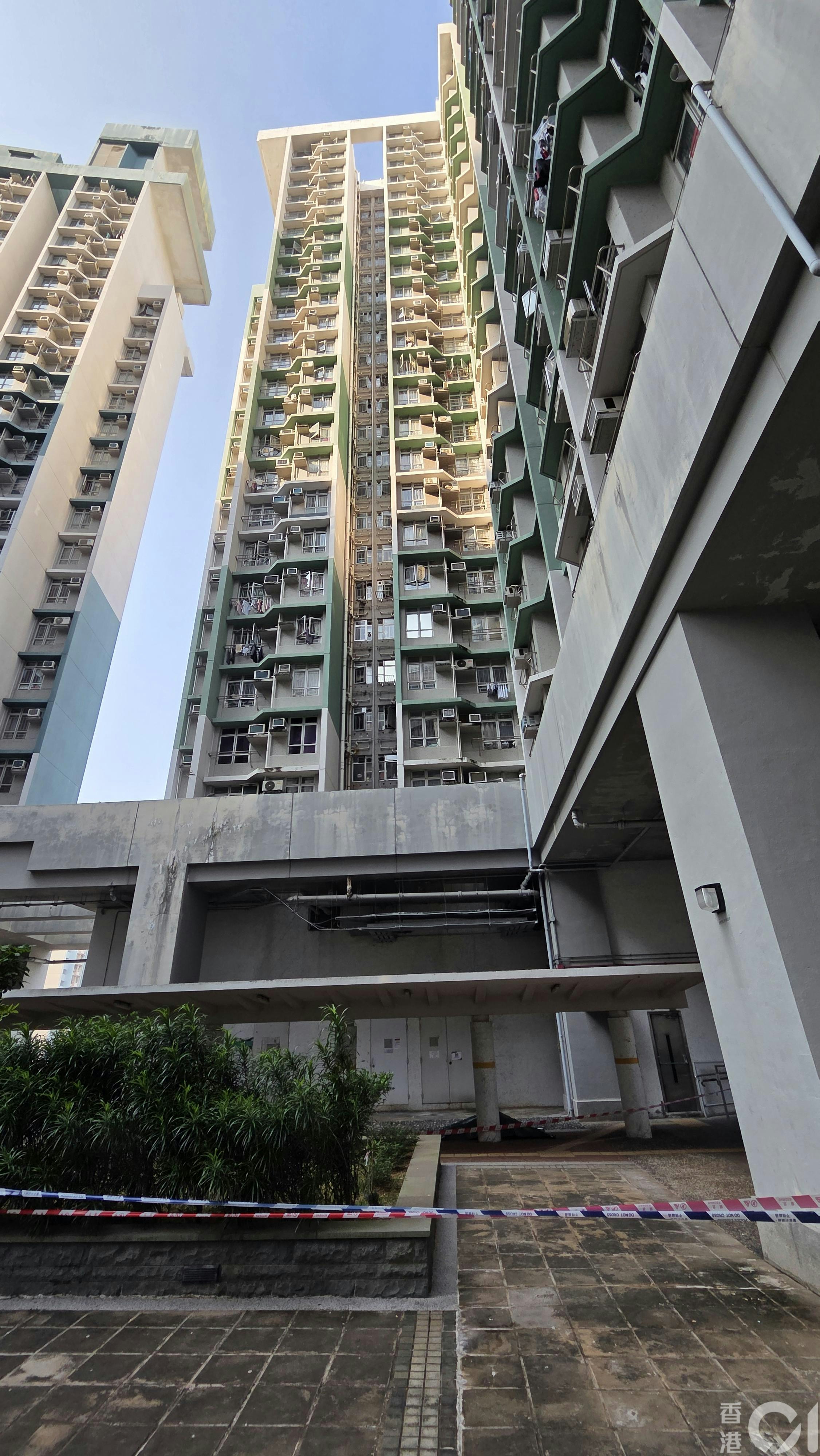
- Police said at 7:19am security staff reported a man attacking another man with a knife in a lift at Chiu Sin House, Wong Tai Sin Upper Estate; the suspect was later found dead outside the block after an apparent fall.
Why It Matters
The case points to the practical limits of enforcing noise complaints in dense public housing, where evidence thresholds can be hard to meet even when residents feel seriously disturbed. It also puts focus on whether estate management, social welfare follow-up and community mental health support can intervene earlier in high-conflict neighbour disputes.