Two Simple Methods to Determine Avocado Ripeness, According to Nutritionists
AM730 · 1 SOURCESabout 3 hours ago1 MIN
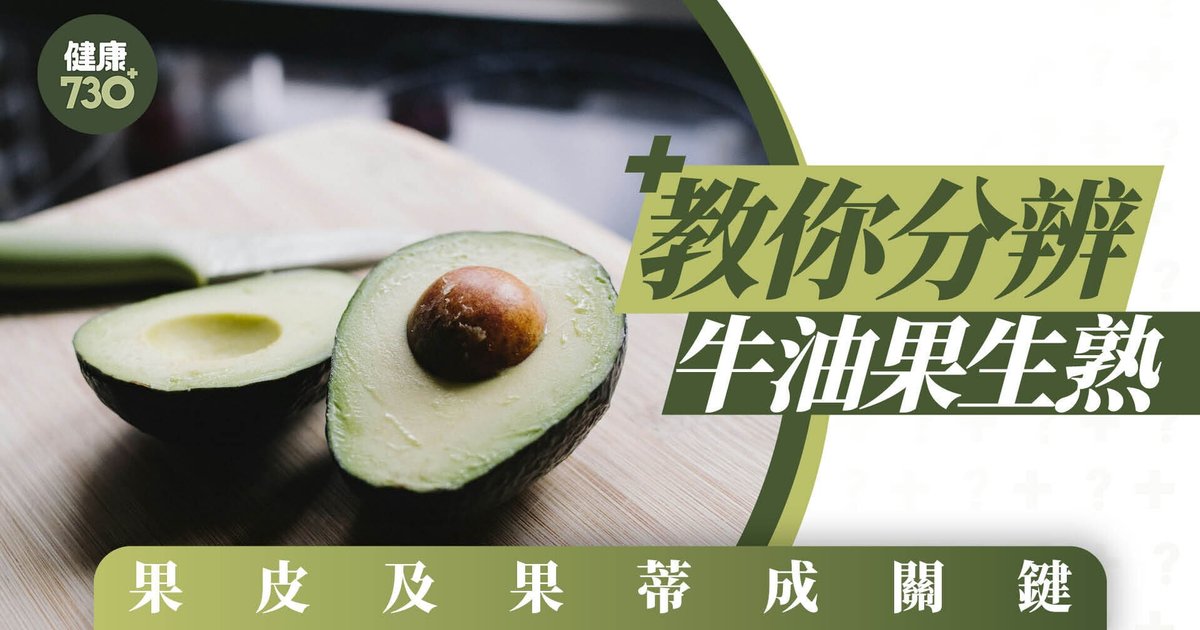
Summary
Avocados present a unique challenge for shoppers due to their thick skins that obscure the fruit's true condition. Nutritionists have identified two reliable methods to determine ripeness: examining the skin color and checking the stem area. An average 200-gram avocado delivers over 300 calories and 13 grams of dietary fiber, meeting 52% of daily requirements. Health professionals advise limiting consumption to half an avocado per day to prevent excessive caloric intake.
Key Points
- Avocados are rich in beneficial fats, vitamins K, C, E, folate, potassium, minerals, and fiber, earning them "superfood" status
- A 200-gram avocado provides more than 300 calories and 13 grams of fiber, covering 52% of daily fiber needs
- A bright green skin typically indicates the fruit remains unripe, while darker skin requires further inspection of the stem
- The stem should appear dry and slightly elevated above the skin surface when the avocado is ripe; a soft, mushy stem signals spoilage
- Gentle pressure on the fruit should produce a solid feel with slight spring-back, confirming readiness for consumption
Why It Matters
Hong Kong consumers spend significantly on imported produce, making proper selection knowledge essential to reduce food waste and ensure optimal taste experiences. Understanding avocado ripeness helps households incorporate this nutrient-dense superfood into balanced meals without exceeding caloric targets.
Hong Kong consumers spend significantly on imported produce, making proper selection knowledge essential to reduce food waste and ensure optimal taste experiences. Understanding avocado ripeness helps households incorporate this nutrient-dense superfood into balanced meals without exceeding caloric targets.