Nepal Principal Saved 900 Students Before Flood Swept Away School
SCMP · 2 SOURCESabout 2 hours ago2 MIN
Summary
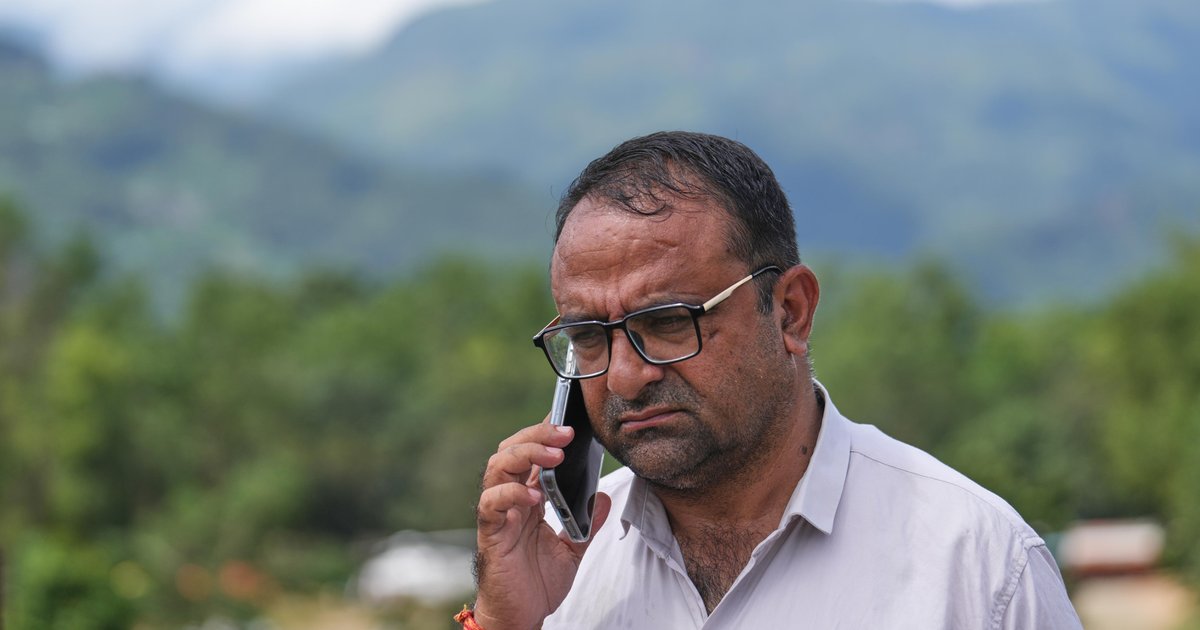
Rajendra Dawadi, the principal of Tribhuvan Trishuli Secondary School in Nepal's Trishuli Valley, saved at least 900 students by ordering an evacuation moments before flash floods destroyed the entire school building. The disaster, triggered by a glacial lake collapse in the Himalayas, has claimed over 950 lives in Nepal and Tibet, with more than 4,400 people still missing . Dawadi, visibly emotional, returned to the school site where parents embraced him, thanking him for his quick thinking that prevented a greater tragedy .
Key Points
- Principal Rajendra Dawadi heard flood warnings from a colleague and immediately ordered all students and staff to evacuate, ringing the school bell as a signal
- Two staff members from Tribhuvan Trishuli Secondary School could not escape and remain missing following the disaster
- A school bus carrying students was turned back by Dawadi just before a newly constructed bridge collapsed moments later
- Save the Children reports at least 69 schools in northern Nepal were destroyed, affecting nearly 19,000 students' education
- Student Suvina Tamang, 14, said she would thank Dawadi when she sees him for saving her life
Why It Matters
Dawadi's decisive action highlights the critical importance of emergency preparedness in vulnerable regions prone to climate-related disasters. With nearly 19,000 students now without classrooms and months of disrupted education ahead, the disaster underscores the urgent need for disaster-resilient infrastructure and early warning systems in Himalayan communities. The loss of two staff members alongside the saved students reflects the human cost of these increasingly frequent extreme weather events.
Dawadi's decisive action highlights the critical importance of emergency preparedness in vulnerable regions prone to climate-related disasters. With nearly 19,000 students now without classrooms and months of disrupted education ahead, the disaster underscores the urgent need for disaster-resilient infrastructure and early warning systems in Himalayan communities. The loss of two staff members alongside the saved students reflects the human cost of these increasingly frequent extreme weather events.