Temple Street Night Market Fades as Voters Head North
HK01 · 1 SOURCESabout 2 hours ago2 MIN
Summary
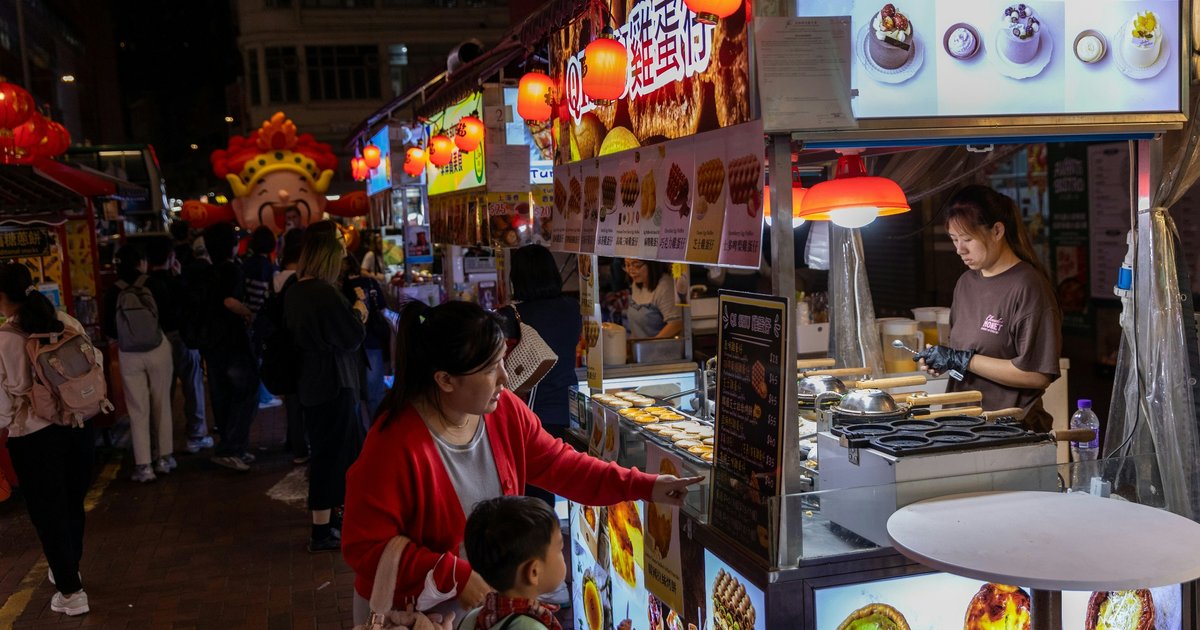
The Temple Street night market, launched in 2023 as a flagship project under the government's "Hong Kong Night Vibes" campaign, has seen its initial buzz largely evaporate within three years . Stall business has dropped by half compared to pre-pandemic levels, with one legislator bluntly stating that the night economy "cannot get off the ground" . The fate of Temple Street's food stalls serves as a microcosm of Hong Kong's broader night economy predicament.
Key Points
- Temple Street food stalls now earn 50% less than before the pandemic, with most closing by 9pm due to unprofitable extended hours .
- In the first half of 2026, same-day visitors without overnight stays surged 27.8%, while Shenzhen dining costs only 60-70% of Hong Kong prices .
- A "coordination failure" traps stalls in a vicious cycle: when 8 of 10 snack vendors close at 9pm, the remaining 2 effectively provide free foot traffic for an empty street .
- Aging stall owners lack innovation, while new entrants face licensing restrictions and high costs that block market entry .
- The government admitted that even the Kai Tak Sports Park's opening failed to boost nearby restaurants, with eateries telling officials they had closed by 10pm since the pandemic .
Why It Matters
The Temple Street case reveals that Hong Kong's night economy challenge is not about lighting up streets, but about making those lights economically rational for vendors . When systemic barriers—regulatory, financial, and competitive—push an entire street of stall owners to choose darkness, the policy failure lies not with individual entrepreneurs but with institutional design that has stripped away their incentive to stay open.
The Temple Street case reveals that Hong Kong's night economy challenge is not about lighting up streets, but about making those lights economically rational for vendors . When systemic barriers—regulatory, financial, and competitive—push an entire street of stall owners to choose darkness, the policy failure lies not with individual entrepreneurs but with institutional design that has stripped away their incentive to stay open.