Patient Dies After Choking on Regular Meal at Prince of Wales Hospital
SCMP · 1 SOURCESabout 2 hours ago2 MIN
Summary
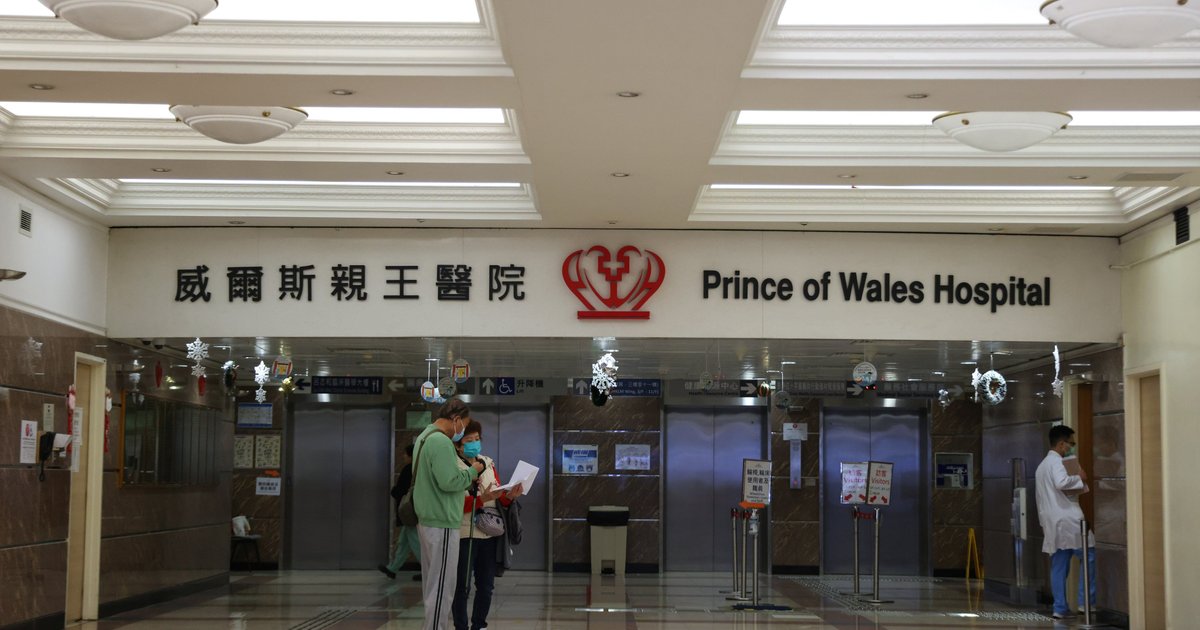
A 54-year-old male patient died at Prince of Wales Hospital in Sha Tin after suffering a cardiac arrest when he choked on a regular meal that should have been soft food. The public hospital issued a public apology on Friday and appointed an eight-person investigation panel to examine the sentinel event, with a report expected in eight weeks. The incident occurred when the patient, who had no identification document upon admission, was mistakenly served a regular dinner despite medical records showing he required a purée diet due to swallowing difficulties. Doctors managed to remove the airway obstruction but could not save the patient, who died late Wednesday night.
Key Points
- Patient admitted on Wednesday morning (September 17) with deteriorated mental status; hospital generated pseudo identifier due to lack of ID
- Attending doctor ordered "diet as tolerated" but catering system defaults to regular meals for patients registered under pseudo identifiers
- Nursing staff failed to check previous diet records before serving dinner; regular meal served Wednesday night caused patient to choke
- Patient went into cardiac arrest during emergency treatment to remove airway obstruction; died late Wednesday night
- Hospital confirmed patient had dementia and history of stroke, with speech therapy previously recommending purée diet for dysphagia
Why It Matters
This incident highlights systemic vulnerabilities in hospital catering management systems and communication protocols between clinical and support staff. For Hong Kong's public hospitals, which serve millions of patients annually, such oversights can have fatal consequences, raising urgent questions about patient safety safeguards and accountability measures .
This incident highlights systemic vulnerabilities in hospital catering management systems and communication protocols between clinical and support staff. For Hong Kong's public hospitals, which serve millions of patients annually, such oversights can have fatal consequences, raising urgent questions about patient safety safeguards and accountability measures .