Doctors Warn of Heavy Metal and PFAS Exposure Risks from Non-Stick Cookware
SingTao · 1 SOURCESabout 5 hours ago2 MIN
Summary
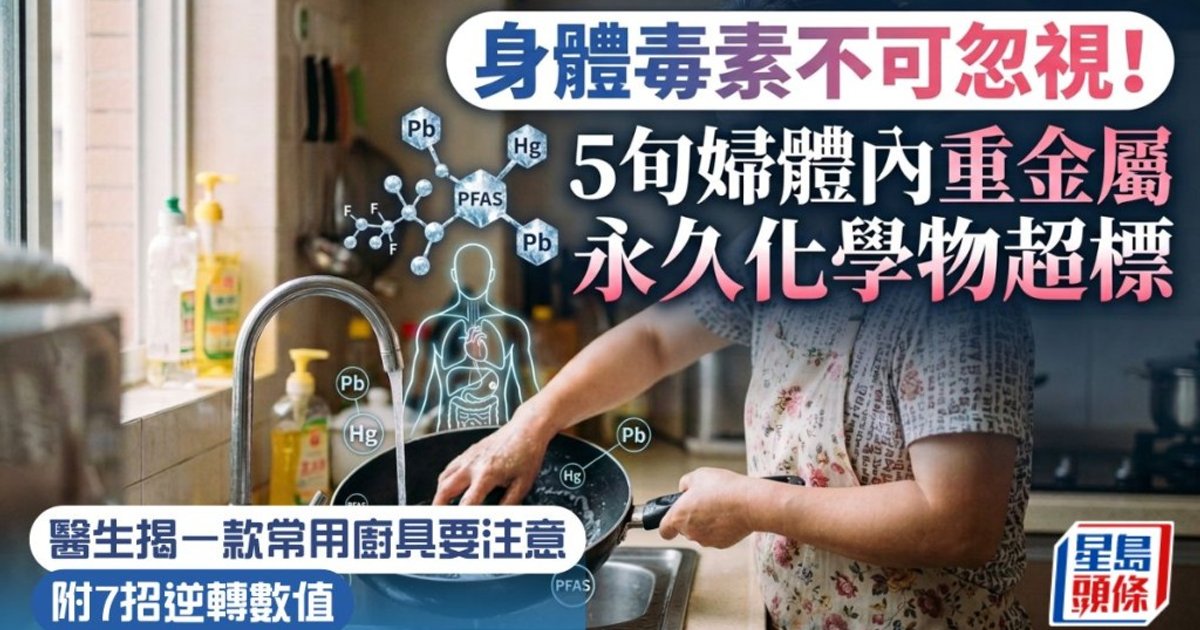
A Taiwanese nutritional functional medicine expert has raised awareness about the dangers of heavy metal and PFAS chemical accumulation in the human body. Dr. Liu Bochen shared a case study of a woman approximately 50 years old who sought treatment half a year ago. Environmental toxin testing revealed elevated mercury levels and elevated levels of multiple PFAS compounds, commonly known as "forever chemicals." Under Dr. Liu's guidance, the patient underwent a comprehensive six-month personalized detox program, resulting in significant improvements in both heavy metal and PFAS levels.
Key Points
- A woman in her 50s was found to have elevated mercury and multiple PFAS compounds including PFOA, PFOS, and PFNA through environmental toxin testing
- Heavy metal sources include mercury from large deep-sea fish, lead from old paint, cadmium from cigarettes, and arsenic from contaminated water
- PFAS "forever chemicals" are found in non-stick cookware, food packaging, and water-resistant products due to their heat-resistant properties
- Dr. Liu's six-month personalized treatment protocol included removing non-stick pans, regular aerobic exercise, increased vegetable intake, adequate hydration, and nutritional supplementation
- After six months of treatment, both the patient's heavy metal and PFAS levels showed significant decreases, demonstrating the effectiveness of lifestyle intervention
Why It Matters
This case underscores how everyday exposure to environmental toxins through common kitchen items and food sources can lead to measurable health risks. The successful reversal of toxin levels through lifestyle modifications provides actionable guidance for Hong Kong residents who frequently consume fish and use non-stick cookware, helping them make informed choices about their dietary habits and kitchen equipment to protect their long-term health .
This case underscores how everyday exposure to environmental toxins through common kitchen items and food sources can lead to measurable health risks. The successful reversal of toxin levels through lifestyle modifications provides actionable guidance for Hong Kong residents who frequently consume fish and use non-stick cookware, helping them make informed choices about their dietary habits and kitchen equipment to protect their long-term health .