Memory Price Surge Triggers Warning; Cathie Wood Predicts Alternatives
SingTao · 1 SOURCESabout 3 hours ago2 MIN
Summary
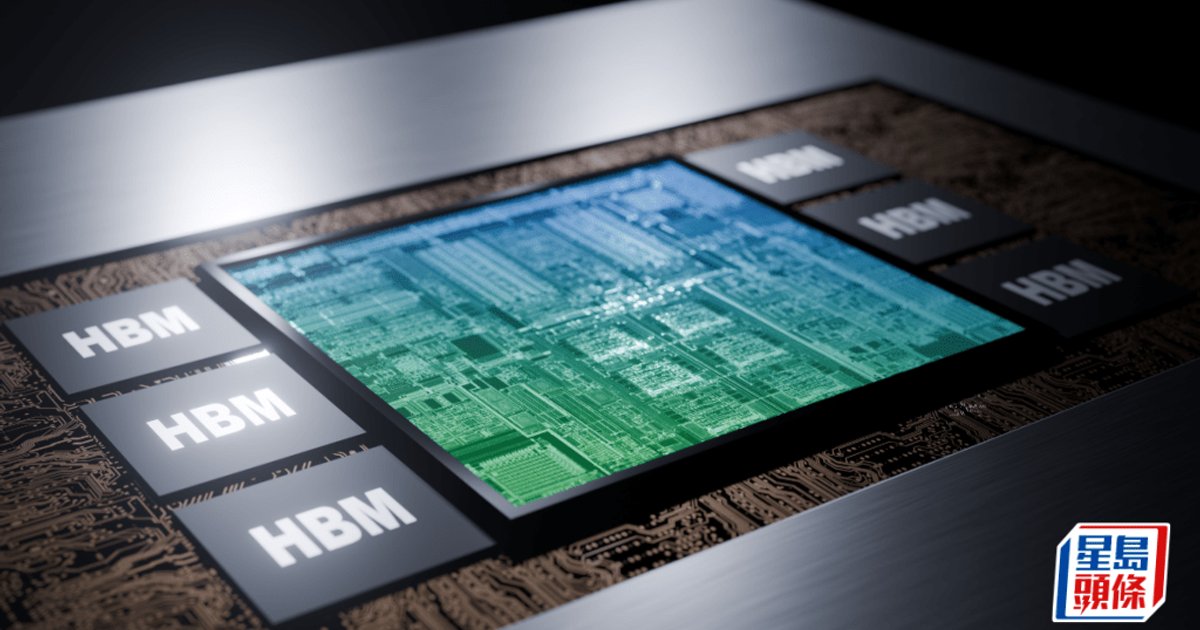
AI infrastructure investments are spurring demand for memory chips, yet Ark Invest founder Cathie Wood and technology strategist Ben Thompson are urging caution on related stocks. Both argue that the rapid rise in HBM (high-bandwidth memory) prices and profit margins could backfire on the industry by encouraging customers to develop alternatives. Wood, who recently explained her reasoning on a podcast, views the current pricing surge as an anomaly that will not persist as engineers find ways to circumvent expensive memory dependencies.
Key Points
- Cathie Wood, founder of Ark Invest, explained on a podcast that she avoids memory sector stocks due to the segment's highly commoditized and cyclical nature
- HBM prices have risen severalfold, a development Wood characterizes as abnormal for the tech industry rather than a sustainable trend
- Wood notes that chip companies' free cash flow has moved inversely to major cloud service providers' free cash flow, a temporary dynamic she expects to reverse
- Inference chip firms Cerebras and Groq have both developed architectures that operate without HBM, with Ark Invest's venture arm holding shares in Groq
- Ben Thompson draws a Strait of Hormuz parallel, arguing that memory manufacturers' high-price strategy could prompt permanent market shifts away from their products
Why It Matters
The divergence between Wood's and Thompson's perspectives highlights growing tension in the AI supply chain, where current demand insulates memory makers from competitive pressure but may simultaneously plant seeds for future disruption. For Hong Kong investors, this signals that semiconductor exposure requires distinguishing between firms with genuine pricing power and those riding temporary demand spikes that could evaporate as engineering solutions mature.
The divergence between Wood's and Thompson's perspectives highlights growing tension in the AI supply chain, where current demand insulates memory makers from competitive pressure but may simultaneously plant seeds for future disruption. For Hong Kong investors, this signals that semiconductor exposure requires distinguishing between firms with genuine pricing power and those riding temporary demand spikes that could evaporate as engineering solutions mature.