HOY Cancels Malaysian Drama 'Yi He' Minutes Before Broadcast, Sparks Industry Pressure Speculation
SingTao · 1 SOURCESabout 3 hours ago2 MIN
Summary
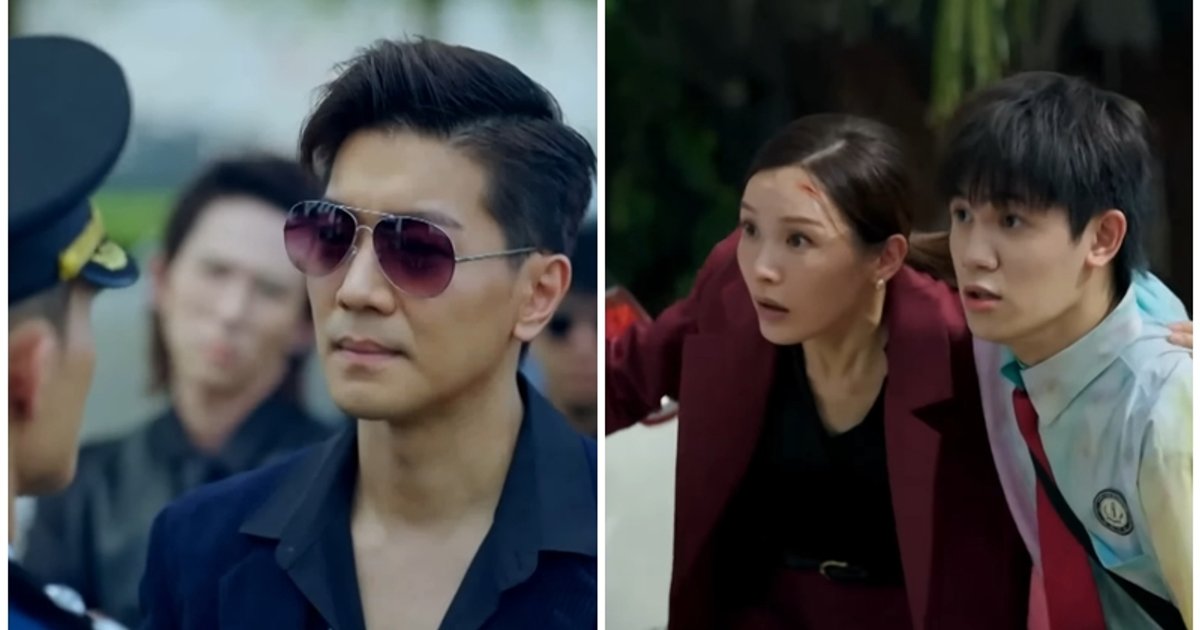
HOY TV has made a dramatic last-minute change to its programming schedule, pulling the highly anticipated Malaysian drama series Yi He mere days before its planned premiere. The series, which was scheduled for the 10:30pm evening slot later this month, has been replaced with a Japanese drama, according to industry sources . The cancellation has triggered intense speculation among Hong Kong netizens, many of whom have accused rival broadcaster TVB of pressuring the production . The drama marked the first on-screen collaboration in seven years between Lai Nok-yi and Li Jia-xin, who previously starred together in the hit series BB Is Coming .
Key Points
- HOY TV purchased the broadcast rights for Yi He from Malaysian platform Astro and completed all post-production work, only to be notified that the show could not air
- The series stars Lai Nok-yi as triad leader "Han Ge" whose true identity is an undercover police officer, with Li Jia-xin portraying the cunning "Big Sister Bing" in her first drama since leaving TVB
- Netizens theorize TVB pressured Astro due to Lai's exclusive contract with TVB and existing business partnerships between TVB and Astro involving drama purchases and award ceremonies
- HOY is planning a press conference next Tuesday to announce its revised programming lineup, with a Japanese drama set to fill the vacant 10:30pm timeslot
- The drama features actors from Hong Kong, Malaysia, and Singapore, including Malaysian actors Henley Xu and Eric Lai, creating a cross-regional production
Why It Matters
This incident reveals the complex power dynamics and territorial disputes within Hong Kong's television industry, where cross-border collaborations can become entangled in competitive rivalries between broadcasters . For viewers, the cancellation underscores how commercial and political pressures can ultimately determine which content reaches audiences, raising questions about artistic freedom and industry transparency in the region .
This incident reveals the complex power dynamics and territorial disputes within Hong Kong's television industry, where cross-border collaborations can become entangled in competitive rivalries between broadcasters . For viewers, the cancellation underscores how commercial and political pressures can ultimately determine which content reaches audiences, raising questions about artistic freedom and industry transparency in the region .