MTR Passenger Charged $66 Surcharge for Exceeding 150-Minute Gate Limit
Bastillepost · 1 SOURCESabout 1 hour ago2 MIN
Summary
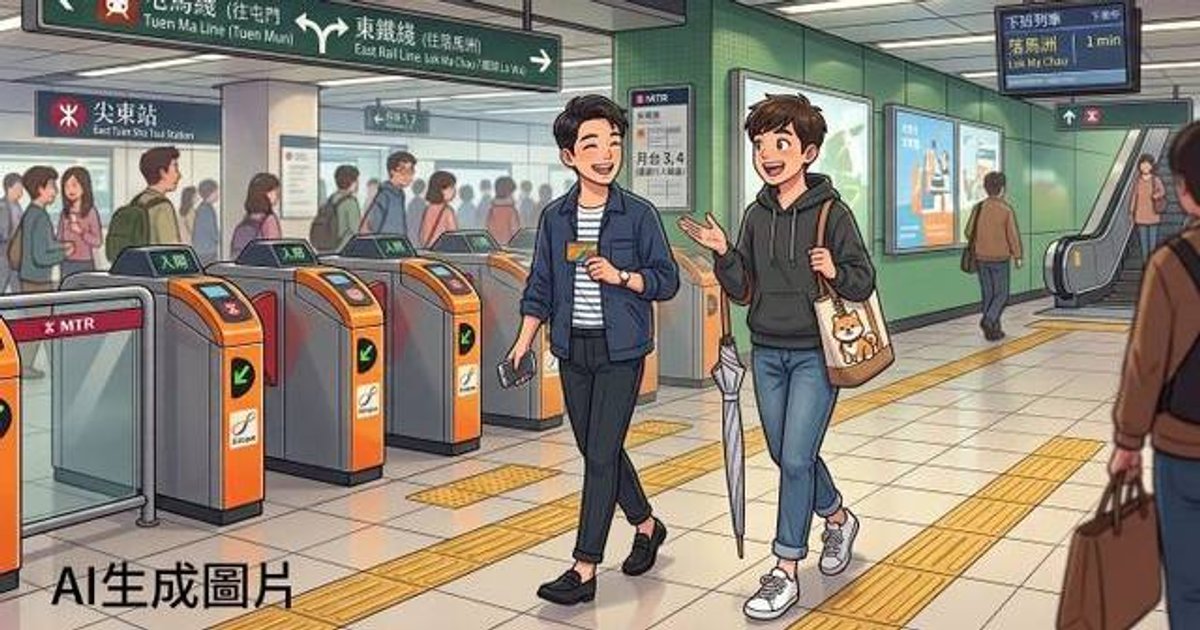
A Hong Kong MTR passenger received an unexpected 66 Hong Kong dollar surcharge after exceeding the 150-minute time limit between entry and exit gates. The passenger had dinner with friends and continued chatting on the MTR after entering the paid area before taking separate trains in different directions. According to MTR's Condition of Issue ticket Rule 1.8, passengers must complete their journey within 150 minutes (2.5 hours) or face a surcharge equal to the maximum adult or concessionary single journey fare. The incident has sparked heated online discussion, with netizens pointing out the rule has been in effect for many years and suggesting the penalty serves as a "tuition fee" for learning the regulation.
Key Points
- Passenger posted on Threads about being charged $66 after spending over 150 minutes between entry and exit gates
- The passenger and friends had dinner together, then entered MTR and continued chatting in the paid area before separating onto different trains
- MTR Condition of Issue ticket Rule 1.8 states passengers must exit the paid area within 150 minutes (2.5 hours) of entry
- Surcharge equals the maximum adult or concessionary single journey fare applicable at the time of the violation
- Netizens commented the rule is not new, with one noting "this rule may have existed before you were born"
Why It Matters
The incident highlights that many commuters may be unaware of the 150-minute time limit for MTR paid areas, which has significant financial implications for those who linger. It also underscores the practical rationale for the rule: preventing passengers from using paid areas as gathering spots or delivery points, which could inconvenience other commuters and disrupt station operations.
The incident highlights that many commuters may be unaware of the 150-minute time limit for MTR paid areas, which has significant financial implications for those who linger. It also underscores the practical rationale for the rule: preventing passengers from using paid areas as gathering spots or delivery points, which could inconvenience other commuters and disrupt station operations.