ASEAN Summit: South China Sea Code Talks 80% Done, Singapore Takes Over
On.cc · 2 SOURCESabout 11 hours ago2 MIN
Summary
The Philippines, serving as ASEAN chair this year, announced at the regional summit in Manila that negotiations over the South China Sea Code of Conduct have progressed to approximately 80 percent completion, compared to around 50 percent when Manila assumed the rotating chairmanship. Despite facilitating nine rounds of consultations and two senior officials' meetings since taking over, Manila was unable to finalize the agreement before its chairmanship ends. Key disagreements persist between ASEAN member states and China, particularly regarding the legally binding nature of the code. The talks will now transition to Singapore, which assumes the ASEAN chairmanship in January 2027.
Key Points
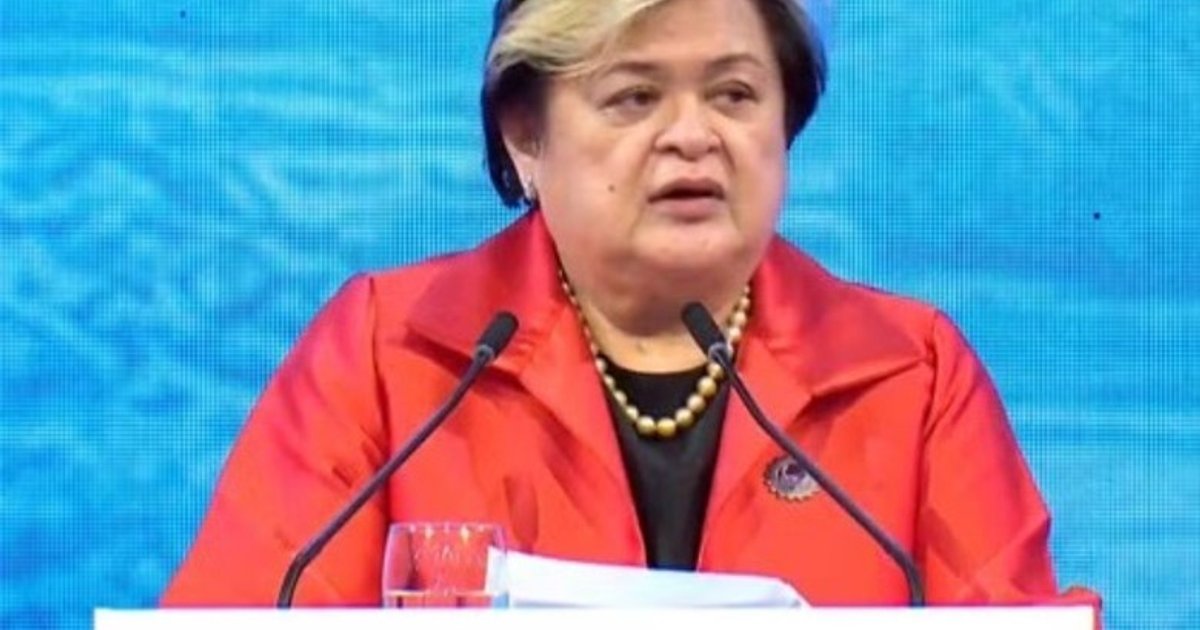
- ASEAN Summit officially opened in Manila, Philippines on Sunday, November 15, with Philippine Foreign Secretary Lazaro announcing progress on the South China Sea negotiations
- Draft text of the Code of Conduct has reached approximately 80 percent completion, rising from the roughly 50 percent consensus achieved when the Philippines took over the chairmanship
- Philippines facilitated nine rounds of ASEAN-China consultations and two senior officials' meetings during its chairmanship, averaging one meeting per month
- Core disagreements remain on several key issues, most notably whether the code should have legally binding force, with ASEAN and China unable to resolve this difference
- Leaders reiterated their commitment to maintaining peace, security, and stability in the South China Sea while continuing constructive cooperation
Why It Matters
The South China Sea remains one of the world's most contested maritime regions, with China and multiple ASEAN members holding overlapping territorial claims. The progress made under Philippine chairmanship demonstrates renewed diplomatic momentum, even as fundamental questions about enforcement mechanisms remain unresolved . For Hong Kong, which depends on freedom of navigation through these waters for its role as a regional shipping hub, the continued commitment to peaceful resolution carries significant economic implications.
The South China Sea remains one of the world's most contested maritime regions, with China and multiple ASEAN members holding overlapping territorial claims. The progress made under Philippine chairmanship demonstrates renewed diplomatic momentum, even as fundamental questions about enforcement mechanisms remain unresolved . For Hong Kong, which depends on freedom of navigation through these waters for its role as a regional shipping hub, the continued commitment to peaceful resolution carries significant economic implications.