World Court Finds Myanmar Guilty of Rohingya Genocide
AM730 · 5 SOURCES34 minutes ago2 MIN
Summary
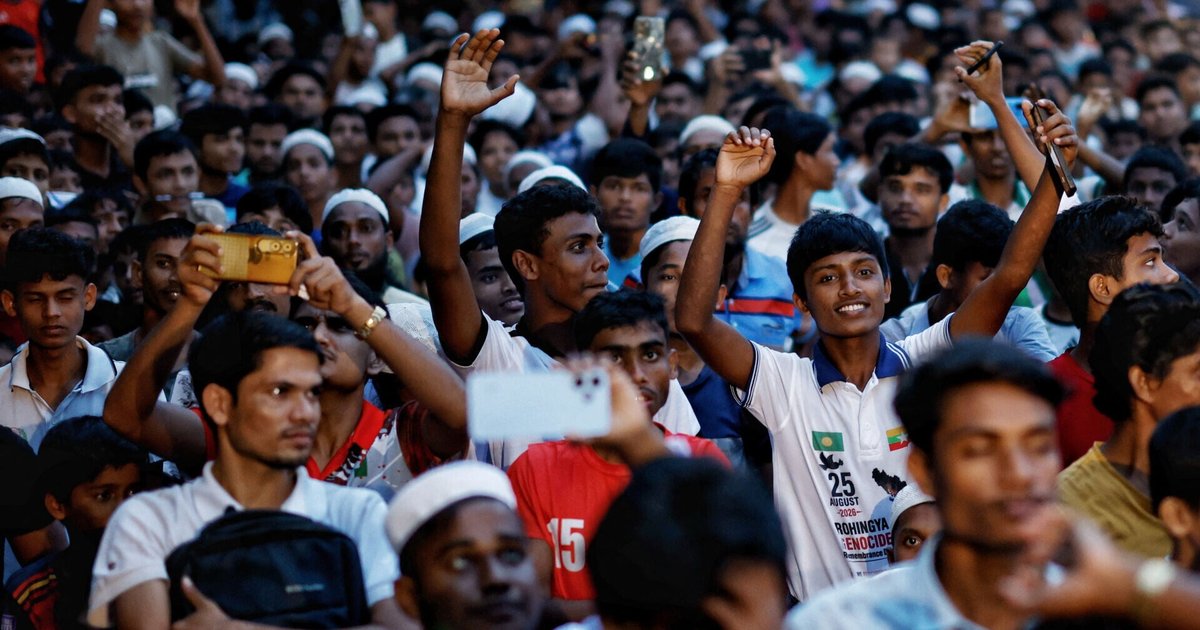
The International Court of Justice in The Hague ruled on Thursday, November 19, that Myanmar committed genocide against the Rohingya during its 2017 military operations in northern Rakhine State, rejecting Myanmar’s argument that the campaign was a lawful counterterrorism operation. The 15-judge bench reached the decision by 9 votes to 6, marking the first time the UN’s top court has found a sovereign state responsible for genocide. The court said Myanmar’s security forces killed thousands of civilians, carried out widespread sexual violence and inflicted extreme violence on children, and it ordered Myanmar to facilitate the safe, voluntary and dignified return of displaced Rohingya, investigate suspects and provide reparations, with compensation details to be decided later. Myanmar’s government has denounced the ruling as unfair, while rights groups, Rohingya communities, the UN human rights chief and the United Kingdom welcomed or acted on the judgment.
Key Points
- The ICJ, sitting in The Hague, ruled 9-6 that Myanmar violated the Genocide Convention during its 2017 crackdown in northern Rakhine State.
- Presiding judge Yuji Iwasawa said evidence showed security forces killed thousands, attacked fleeing refugees, and committed widespread sexual violence and abuse against children.
- The court found the scale and nature of the violence far exceeded any claimed punitive purpose, supporting an inference of intent to destroy a substantial part of the Rohingya group.
- Myanmar was ordered to approve and assist the safe, voluntary and dignified return of displaced Rohingya, investigate and punish suspects, and provide reparations later.
- The case was brought by Gambia in 2019; Aung San Suu Kyi had personally defended Myanmar before the 2021 military coup transferred the case to the junta.
Why It Matters
For Hong Kong readers, the ruling underscores how international courts can issue binding judgments against states even when enforcement remains difficult, a tension that often shapes global diplomacy and sanctions. It also points to possible further international pressure on Myanmar, after the United Kingdom said it would expel Myanmar’s military attaché, summon its chargé d’affaires and prepare additional sanctions.