Wang Yi urges Europe to move past trade imbalance narrative
On.cc · 3 SOURCESabout 3 hours ago2 MIN
Summary
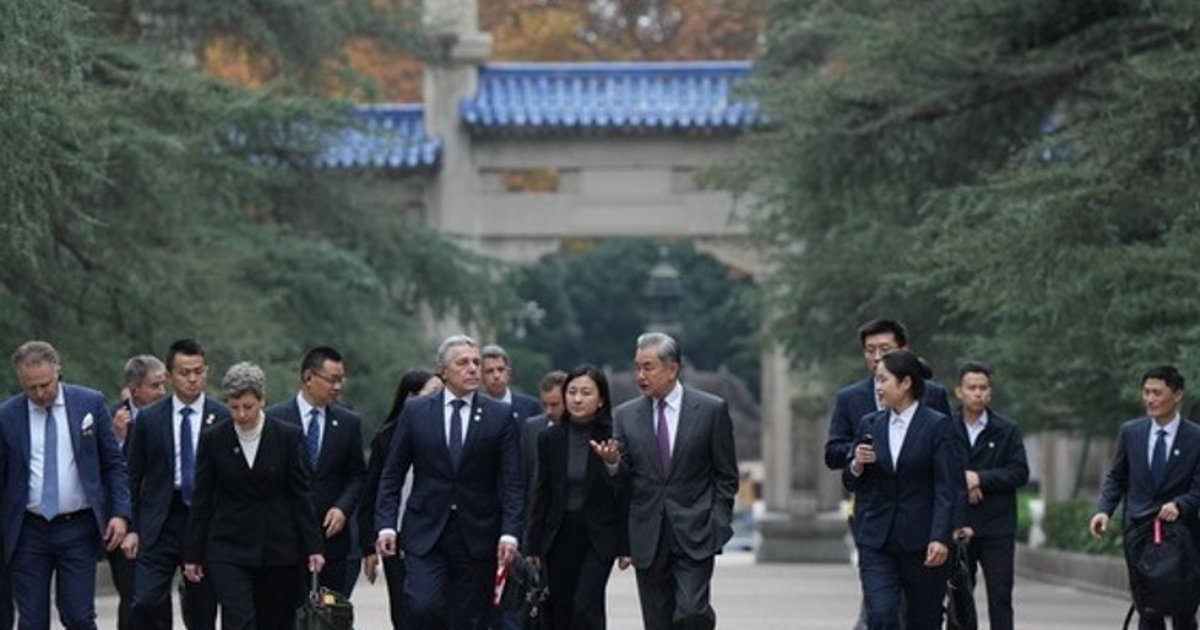
Chinese Foreign Minister Wang Yi met Swiss Federal Councillor and Foreign Minister Ignazio Cassis in Nanjing on Monday, 23 November, for the fifth round of China-Switzerland foreign ministers’ strategic dialogue. During the talks, Wang said China and Europe should move beyond what he described as the trap of a “trade imbalance” narrative and instead manage differences through dialogue while expanding cooperation for mutual benefit. He said China hoped Switzerland would play a constructive role in helping China and Europe resolve economic and trade differences steadily. Cassis said Switzerland would adhere firmly to the one-China principle and work with China on free trade, climate change and global governance of artificial intelligence.
Key Points
- The fifth round of China-Switzerland foreign ministers’ strategic dialogue was held in Nanjing, jointly chaired by Wang Yi and Swiss Foreign Minister Ignazio Cassis.
- Wang said China and Europe should avoid being trapped by a so-called trade imbalance narrative and should settle differences through dialogue and consultation.
- He added that expanding the overall scale of cooperation was the right path for China-Europe ties and could deliver mutual benefit.
- Wang said progress in China-Switzerland relations reflected three principles: equality among states, non-interference in internal affairs, and complementary advantages for win-win outcomes.
- Both sides agreed to use existing dialogue mechanisms and speed up domestic approval procedures for the upgraded free trade agreement protocol
Why It Matters
For Hong Kong readers, the remarks point to Beijing’s effort to frame trade disputes with Europe as manageable through negotiation rather than confrontation, which matters for a city tied closely to cross-border trade and finance. The emphasis on free trade, technology, finance and artificial intelligence cooperation also indicates areas where European engagement with China may continue despite wider economic frictions.