Flydubai co-pilot barred in Oman before attack
SCMP · 4 SOURCESabout 4 hours ago2 MIN
Summary
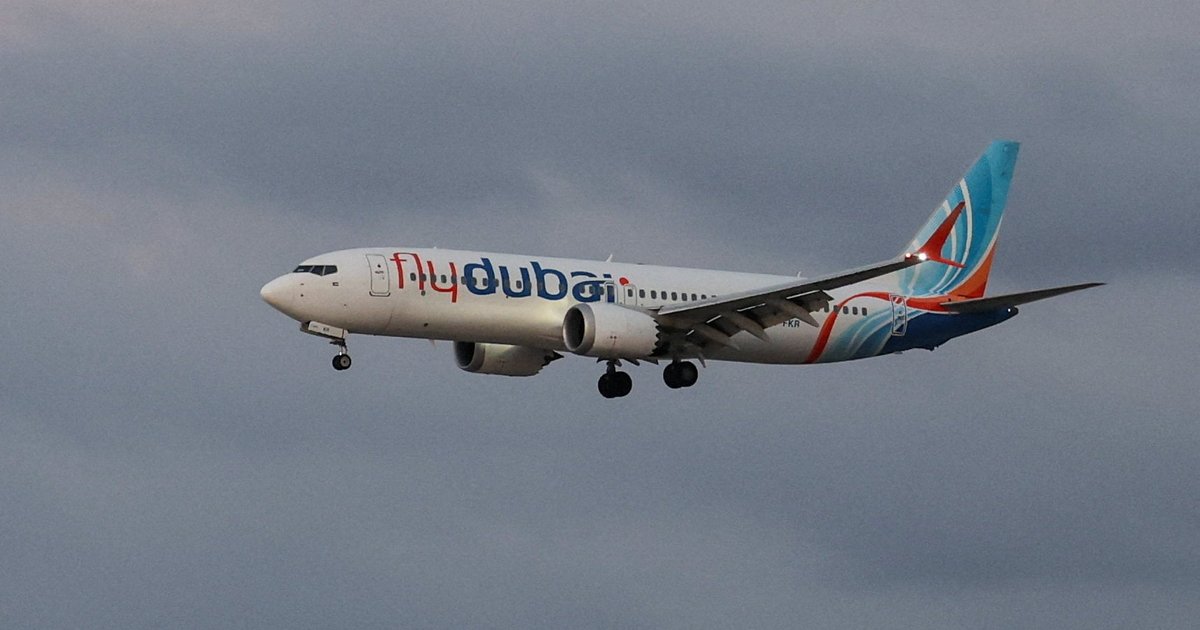
The Flydubai co-pilot accused of attacking the captain of flight FZ1073 on October 1 had previously been barred from flying by Oman over concerns that he had adopted extremist views, according to people familiar with the matter and multiple media reports. The suspect has been identified by sources as Omani national Hamam al-Hammami, and investigators are examining whether he acted alone or had links to extremist groups. UAE prosecutors have described the episode as a terrorist attack after the co-pilot allegedly used an emergency crash axe, while Israeli and Hebrew-language media reports said he intended to continue the approach and crash the aircraft at Ben Gurion Airport. The incident has disrupted UAE-Israel air travel, prompted repatriation flights and intensified scrutiny of airline vetting and cockpit security in a region already unsettled by war
Key Points
- Sources cited by Reuters and other outlets said Oman had barred Hamam al-Hammami from flying before he was later hired by UAE-based Flydubai.
- During Wednesday's Dubai-to-Tel Aviv flight FZ1073, officials said the co-pilot assaulted the Indian captain, and the plane narrowly avoided catastrophe.
- UAE prosecutors said the co-pilot attacked the captain with an emergency crash axe; an aviation instructor said the jet plunged 16,000 feet in about 30 seconds
- Hebrew media reports said al-Hammami told investigators he planned to receive landing clearance and then crash into a building or aircraft at Ben Gurion Airport
- Australia’s Victorian Joint Counter Terrorism Team is investigating his links to Australia after sources said he studied in Melbourne around a decade ago
Why It Matters
For Hong Kong readers, the case raises immediate questions about how airlines vet pilots who have worked across multiple jurisdictions and whether warning signs are consistently shared between regulators and carriers. It also shows how a single inflight security breach can quickly disrupt regional aviation networks, leaving passengers stranded and forcing emergency travel arrangements