Unlicensed cancer-shot probe revives 2021 cell-smuggling claims
HK01 · 1 SOURCESabout 2 hours ago4 MIN
Summary
A fresh undercover investigation into an unregistered WT1 “anti-cancer vaccine” has brought renewed attention to Asia-Pacific Medical Centre in Hong Kong and to medical personnel previously named in a 2021 report on alleged smuggling of immune cells from Shenzhen for cancer treatment. The latest report says the same network of people remains active, even though the earlier case involved suspected illegal drug products, smuggling and other possible offences and was referred to regulators.
Key Points
- Hong Kong 01 reported in 2021 that geriatrician Yeung Bun allegedly brought cells from Shenzhen into Hong Kong to treat cancer patients with immune cell therapy.
- In an undercover visit then, Yeung allegedly offered a mixed natural killer and cytokine-induced killer cell treatment for HK$500,000 using donor umbilical-cord blood products from a Shenzhen laboratory.
- The report said the case potentially involved five offences: illegal pharmaceutical products, smuggling, unlawful import of blood products, unlicensed procedures outside a day procedure centre, and illegal organ trading.
- Registered nurse Lo Yuen-yee, who screened patients in the earlier case, was also identified in the new WT1 vaccine investigation and claimed she had previously “saved” patients with cell therapies, including CAR-T.
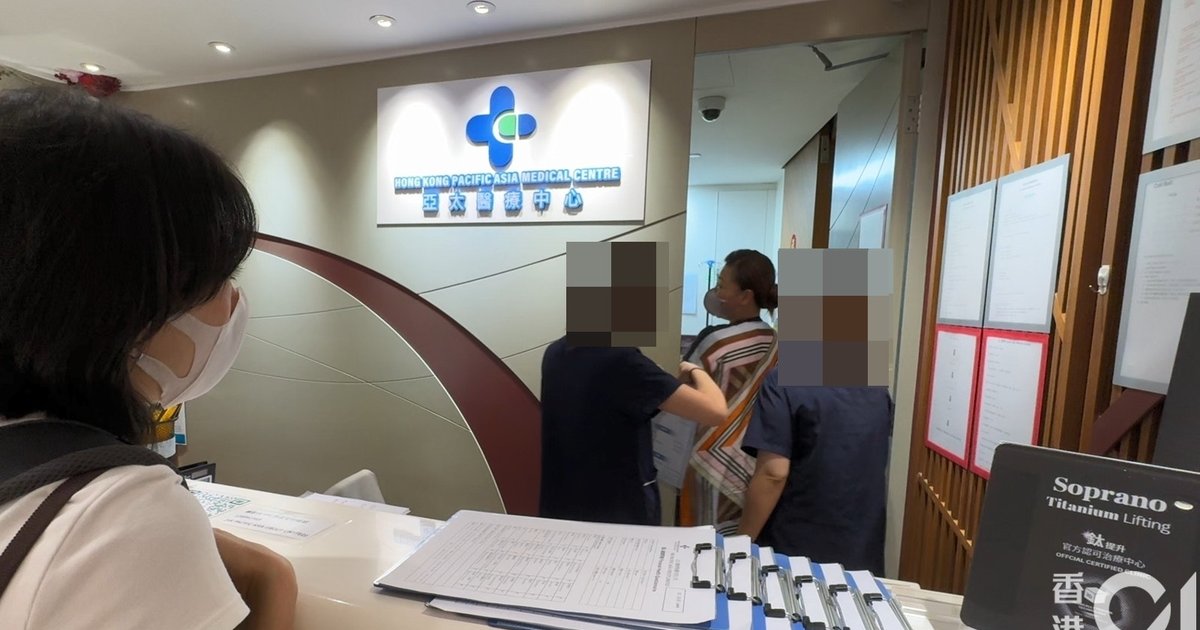
- In July 2026, reporters revisited Asia-Pacific Medical Centre; Lo denied the centre provided unlicensed WT1 injections, then went into a room with front-desk staff and shut the door after being approached.
- The clinic operator, Hong Kong Asia Pacific Group Limited, is directed by a person surnamed Xie who holds a Chinese passport and lists a Shenzhen address. Yeung, identified by the report as medical director of Asia-Pacific Medical Centre, said in a written reply that the Department of Health visited the clinic on July 17 after receiving complaints, and that he had cooperated with the inquiry and normal operations continued. He also said the clinic suspected a former employee of improperly disclosing misleading information and that a company account had been hacked, with a police report filed.
- The report says Yeung did not respond in 2021 when repeatedly approached over the alleged Shenzhen cell-smuggling case, and did not reply to renewed questions five years later. It also says Lo was a former shareholder of another Tsim Sha Tsui East clinic that she had mentioned as a place where WT1 injections could be given; that clinic had not replied by the publication deadline.
- The earlier case drew public attention because entertainer Lam Tsz-pok said his wife Tung Yin-kwan, who died in 2020 from the rare cancer leiomyosarcoma, had received the cell treatment at Yeung’s clinic. Lam said he had not known the treatment was being provided unlawfully and that the product had been transported from Shenzhen to Hong Kong in a chilled bag with dry ice. He said that if it had merely been saline it would have been fraud, but unknown cells could be life-threatening. The report also cited a patient photograph showing packaging for an “NK cell suspension” with the “reinfusion hospital” field listing Kam Sing Garden, an older Shenzhen housing estate near Man Kam To crossing.
Why It Matters
The case raises unresolved questions about whether existing oversight can stop unregistered advanced therapies from being marketed to seriously ill patients outside approved hospital settings. It also puts pressure on the Department of Health, the Medical Council of Hong Kong and the Nursing Council of Hong Kong to explain what follow-up occurred after the 2021 referral and why no disciplinary outcome has been disclosed.