Directors Yip Yee-lam and Wong Kaat on Positive Approach to Life and Death in New Father-Daughter Film
SingTao · 1 SOURCES1 day ago2 MIN
Summary
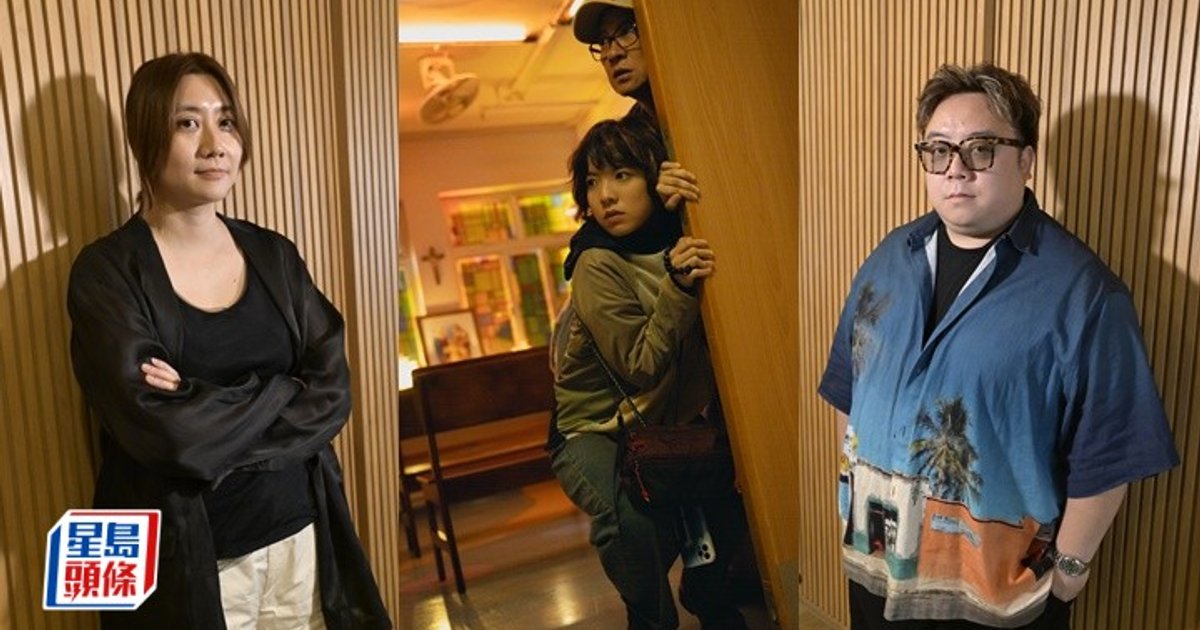
My Dad Wants to Travel is a warm family film co-directed by Yip Yee-lam, who also wrote the screenplay, and Wong Kaat. The film stars Andy Hui as a father battling cancer and Chung Chit-ying as his daughter. The story explores how people face loss, incorporating elements of multiverse and time travel between modern and ancient settings. Filming took place across Hong Kong, Macau, and Okinawa—the latter being where Yip last traveled with her father before he passed away. The directors emphasized they wanted to present death in a positive light rather than as pure tragedy.
Key Points
- The film's story development spanned over five years, evolving through the pandemic and the 2022 passing of producer Lo Ka-ky, with the screenplay undergoing more than ten revisions while keeping the father-daughter relationship as its core theme
- Director Yip Yee-lam's father was the only family member who supported her career in filmmaking, encouraging her even while bedridden during late illness; her mother suggested she pursue stable government jobs or teaching instead
- Both directors incorporated personal details from their own fathers into the screenplay: Yip included her father's wordplay jokes and embarrassing behaviors, while Wong Kaat's father also promised to leave his old car to his children
- The film's climax features a scene where Andy Hui's character, confined to a hospital bed, completes his journey through his soul—a romantic concept inspired by the Tang dynasty story The Spirit Wanderer
- Wong Kaat's unusual name comes from his grandfather, who worried he would not have enough money as China underwent reform and opening up; the element Californium was chosen as a rare element
Why It Matters
This film represents a significant departure from typical Hong Kong tearjerkers by reframing death as a celebration of connection rather than an occasion for grief. For Hong Kong audiences accustomed to emotional cinema that relies on suffering, the directors' approach offers a fresh perspective on processing loss through creativity and imagination. The film demonstrates how cinema can serve as a healing tool for those who share similar experiences, potentially changing how local audiences engage with themes of mortality in storytelling .
This film represents a significant departure from typical Hong Kong tearjerkers by reframing death as a celebration of connection rather than an occasion for grief. For Hong Kong audiences accustomed to emotional cinema that relies on suffering, the directors' approach offers a fresh perspective on processing loss through creativity and imagination. The film demonstrates how cinema can serve as a healing tool for those who share similar experiences, potentially changing how local audiences engage with themes of mortality in storytelling .