Hong Kong nurse trainee jailed 28 months for hospital thefts
HK01 · 4 SOURCESabout 2 hours ago6 MIN
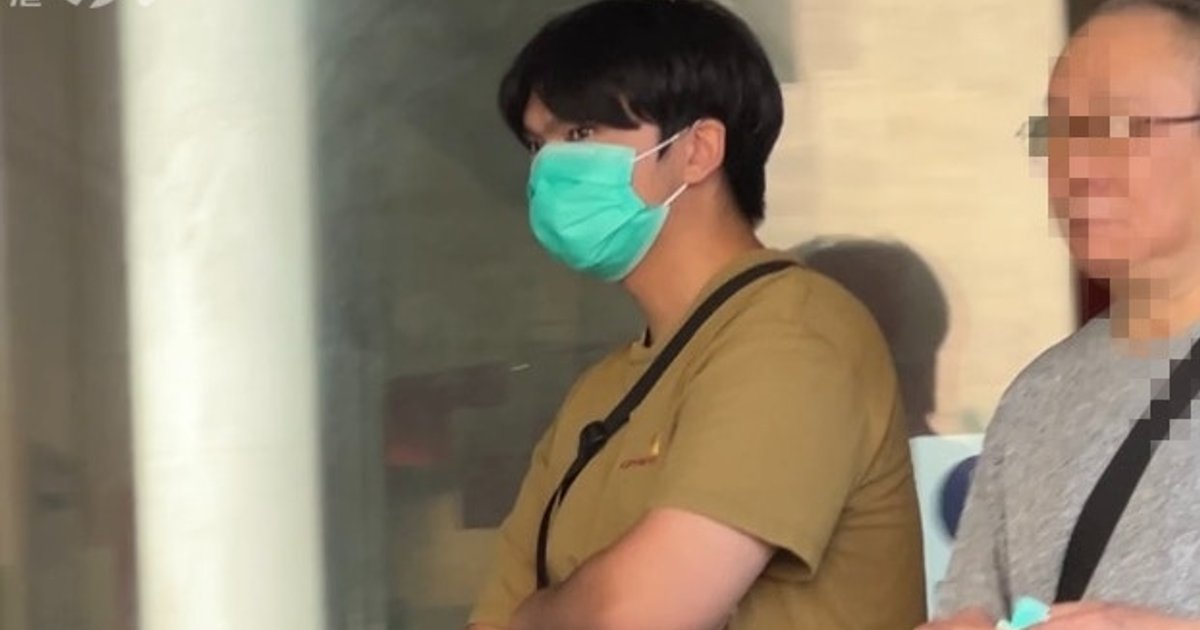
Summary
A former second-year nursing student at Hong Kong Sanatorium & Hospital was sentenced in the District Court to 28 months in prison after pleading guilty to 11 theft charges arising from offences between September and October 2024. Deputy District Judge Lai Kim-wah said the defendant abused his access to patients and repeatedly stole from patients and colleagues within a short period, undermining trust in the hospital and in healthcare professionals. The admitted offences involved one mobile phone, eight credit cards, HK$6,500 in cash, and unauthorized use of available credit totaling about HK$52,000, while three other theft charges were ordered to remain on file. The prosecution said some stolen cards were used for substantial Apple Store purchases, and the court gave credit for the defendant’s guilty plea, first-offender status and voluntary compensation of about HK$59,000 to HK$60,000.
Key Points
- The defendant, Leung Ho-fung (梁浩鋒), now aged 29, was a second-year nursing student at Hong Kong Sanatorium & Hospital when the offences were committed.
- The case concerned thefts on the hospital’s 20th-floor ward between September 19 and October 19, 2024, with victims including inpatients, nurses and a doctor.
- According to the prosecution case, five ward patients reported losses, and police later found HK$500 cash and five stolen credit cards on Leung when he was arrested on October 23, 2024.
- The court heard stolen patient cards were used at Apple Stores for transactions ranging from HK$8,499 to more than HK$20,000, and the goods were not recovered.
- In mitigation, the defence said Leung had debts of about HK$300,000, had lost about HK$20,000 in a scam, was declared bankrupt in 2025, and would not return to nursing.
Why It Matters
The case goes beyond the value of the stolen property because the sentencing judge treated the breach of trust inside a hospital as a central aggravating factor. For Hong Kong readers, it underlines how crimes committed by frontline healthcare trainees can damage confidence among patients, co-workers and institutions that depend on close personal access and professional integrity.