Kazakhstan Aims to Become Central Asia Education Hub as Experts Stress Job-Skill Alignment
SCMP · 1 SOURCESabout 4 hours ago2 MIN
Summary
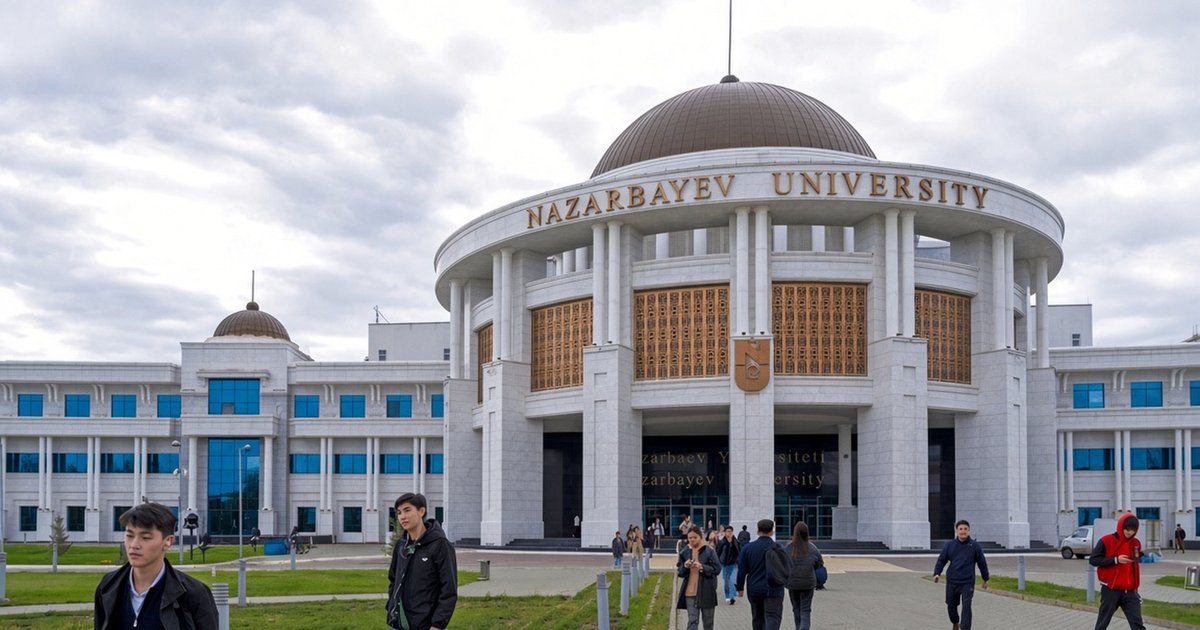
Kazakhstan is positioning itself as Central Asia's premier education destination, drawing nearly 40,000 foreign students and surpassing its original target as it works toward becoming a regional education hub. At the SCMP China Conference: Central Asia 2026 held in Astana, educators and experts emphasized that the country must develop a broader ecosystem that provides job opportunities aligned with graduates' skill sets amid rapid economic transformation. Nazarbayev University is expanding strategic partnerships with leading global institutions, including Hong Kong University of Science and Technology, to meet growing demand for specialists who understand both Kazakhstan's and China's business environments.
Key Points
- Kazakhstan has attracted nearly 40,000 foreign students, exceeding its original target, as part of its ambition to become a regional education hub
- The country has a young population with an average age below 27 years, creating both opportunities and challenges for talent development
- Professor Waqar Ahmad, president of Nazarbayev University in Astana, highlighted that successful education hubs require quality education plus a broader ecosystem with employment opportunities
- Nazarbayev University has established a dual-degree programme with Hong Kong University of Science and Technology and is negotiating with Polytechnic University
- Growing demand exists for specialists who understand the business environments of both Kazakhstan and China, driving cross-border academic collaboration
Why It Matters
For Hong Kong, Kazakhstan's ambitions represent a significant opportunity to expand academic partnerships that could produce graduates equipped to navigate both markets. The dual-degree programme with HKUST and potential ties with Polytechnic University position Hong Kong institutions as key players in Central Asia's educational development. As regional connectivity strengthens, Hong Kong professionals with Central Asian expertise may find new career pathways in trade, investment, and cross-border business development.
For Hong Kong, Kazakhstan's ambitions represent a significant opportunity to expand academic partnerships that could produce graduates equipped to navigate both markets. The dual-degree programme with HKUST and potential ties with Polytechnic University position Hong Kong institutions as key players in Central Asia's educational development. As regional connectivity strengthens, Hong Kong professionals with Central Asian expertise may find new career pathways in trade, investment, and cross-border business development.