HKMA and Bank Negara Malaysia Strengthen Bilateral Cooperation on Fintech and Cross-border Regulation
SingTao · 3 SOURCES1 day ago2 MIN
Summary
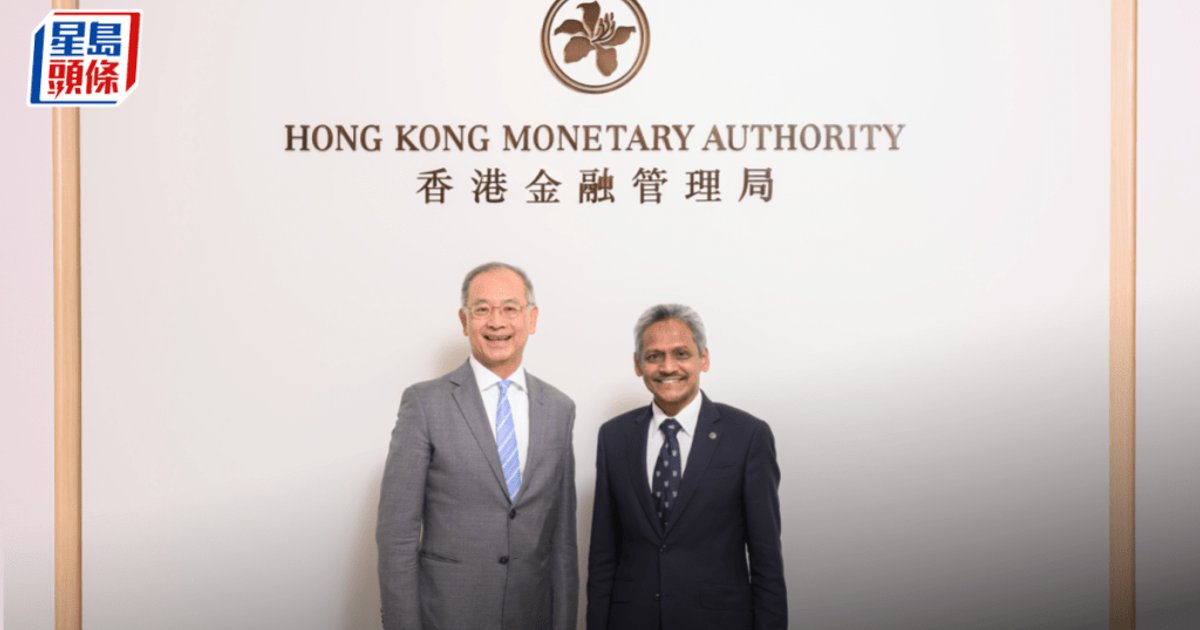
The Hong Kong Monetary Authority (HKMA) and Bank Negara Malaysia convened a high-level bilateral meeting in Hong Kong on October 2, 2026, agreeing to expand cooperation in financial technology, digital assets, cross-border regulatory matters, and capital market connectivity . The two central banks exchanged information and experiences, conducting comprehensive discussions on macroeconomic and financial development, emerging banking regulatory topics, payment transformation, regional local currency usage, and Islamic finance .
Key Points
- A policy-focused joint working group will be established to develop compliant cross-border stablecoin use cases between Hong Kong and Malaysia
- The institutions will strengthen cooperation on tokenization and digital currencies, including policy and regulatory exchanges between the two regions
- They will explore data-based application opportunities, including the Commercial Data Interchange and CargoX platform, to expand SME access to trade financing
- A mechanism will be established to enhance cross-border cyber defense resilience and combat fraud and scams
- The HKMA and Bank Negara Malaysia will explore connecting Hong Kong's Central Moneymarkets Unit system with Malaysia's RENTAS system
Why It Matters
The deepened partnership positions Hong Kong as a regional hub for digital finance innovation, particularly in cross-border payment solutions and Islamic finance products . For Hong Kong businesses, the enhanced connectivity and trade financing channels could provide new avenues for SME growth and regional expansion into Southeast Asian markets .
The deepened partnership positions Hong Kong as a regional hub for digital finance innovation, particularly in cross-border payment solutions and Islamic finance products . For Hong Kong businesses, the enhanced connectivity and trade financing channels could provide new avenues for SME growth and regional expansion into Southeast Asian markets .