Study Links Smoking to Higher Severe Respiratory Infection Risk; Expert Backs Standardized Tobacco Packaging
HK01 · 1 SOURCES1 day ago7 MIN
Summary
As Hong Kong enters flu season, public attention has focused on vaccination, but a growing body of research highlights smoking as a significant risk factor for severe respiratory infections. A landmark study from Oxford University in the United Kingdom tracked over 340,000 adults without major chronic diseases for 12 years, discovering that smokers face markedly higher risks of hospitalization or death from pneumonia, influenza, and other acute lower respiratory infections . The research found that the risk of pneumonia-related hospitalization or death was more than double for smokers compared to non-smokers, with heavier smoking correlating to greater incidence of severe respiratory infections . The longer a person had quit smoking, the lower their risk of pneumonia and other acute lower respiratory infections .
Dr. Au Yeung Siu-lun (歐陽兆倫), Associate Professor in the Department of Population Health at the School of Nursing and Health Studies of Hong Kong Metropolitan University, led a separate study demonstrating that severe lifetime smoking behavior increased the risk of contracting COVID-19 by 19%, the risk of developing severe illness by 48%, and hospitalization risk by 67% . These findings underscore the broader health impacts of tobacco use beyond well-documented links to cardiovascular disease, respiratory illness, and over 20 types of cancer .
Key Points
- Oxford University research spanning 12 years tracked more than 340,000 adults without major chronic diseases, finding smokers had over double the risk of pneumonia-related hospitalization or death compared to non-smokers .
- A study led by Dr. Au Yeung Siu-lun of Hong Kong Metropolitan University found that severe smoking behavior increased COVID-19 hospitalization risk by 67%, with a 48% higher risk of severe illness .
- The World Health Organization reports that over 7 million people die annually from tobacco-related causes, including more than 1.6 million non-smokers who succumb to second-hand smoke exposure .
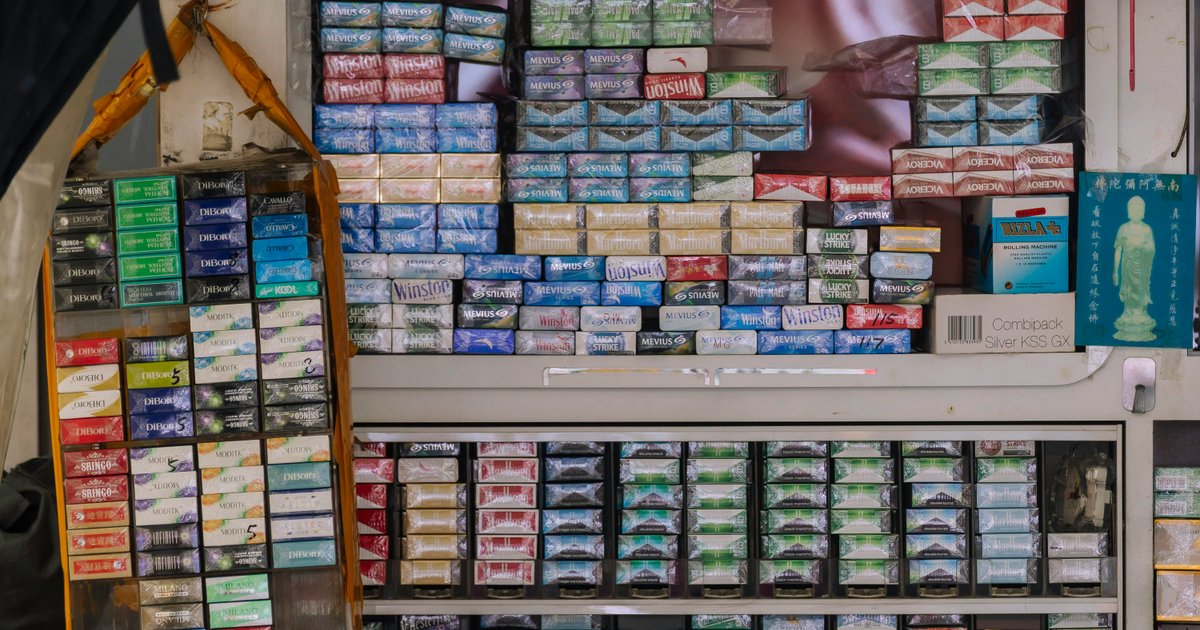
- A WHO report published in 2025 confirmed that standardized tobacco packaging—including uniform colors and fonts—reduces product appeal and strengthens health warning effectiveness .
- Twenty-seven countries and regions have implemented standardized tobacco packaging, including Belgium, Canada, France, New Zealand, Singapore, Thailand, and the United Kingdom .
Why It Matters
The convergence of these research findings provides compelling evidence for Hong Kong's planned implementation of standardized tobacco packaging in March next year, which will also include updated health warnings and a duty-paid label system to combat illicit tobacco . With smoking identified as a major preventable risk factor for severe respiratory infections during flu season and beyond, effective tobacco control measures represent a crucial step in protecting public health and reducing the burden on Hong Kong's healthcare system .
The convergence of these research findings provides compelling evidence for Hong Kong's planned implementation of standardized tobacco packaging in March next year, which will also include updated health warnings and a duty-paid label system to combat illicit tobacco . With smoking identified as a major preventable risk factor for severe respiratory infections during flu season and beyond, effective tobacco control measures represent a crucial step in protecting public health and reducing the burden on Hong Kong's healthcare system .