Families urge community support for ageing carers
SingTao · 1 SOURCESabout 4 hours ago2 MIN
Summary
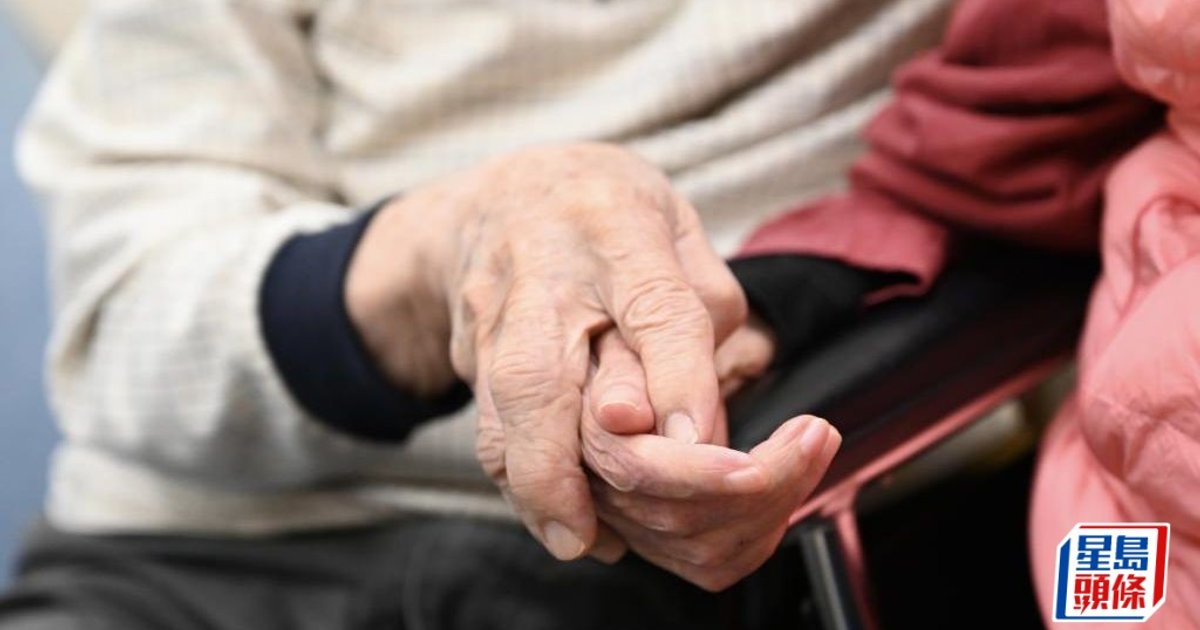
Hong Kong is seeing a growing number of “double ageing” families as people with intellectual disabilities live longer and their parents also enter old age. Parents say they often want their children to remain in familiar communities, but long waits for residential services and gaps in community support leave institutions as the default option. Academics and parent groups are urging the government to expand community-based services, develop more housing choices and start “life-course planning” from middle age. The Social Welfare Department says it has been strengthening community support through district support centres and integrated community rehabilitation centres
Key Points
- As of June, more than 3,000 people were waiting for hostels for persons with moderate intellectual disability, the largest queue among relevant residential services
- In 2025-26, average waiting times for hostels for persons with severe and moderate intellectual disability still exceeded 100 months despite recent improvement
- Lai Pui-wai, chair of the Association of Parents of the Severely Mentally Handicapped, said school leavers with more severe disabilities often have very limited pathways beyond residential care
- Honorary Research Fellow Wong King-shui of the Chinese University of Hong Kong said some mildly and moderately disabled adults can live in the community with tailored skills support
- The Census and Statistics Department estimated Hong Kong has about 77,000 to 90,000 people with intellectual disabilities, but parent groups said better integrated data is needed
Why It Matters
The debate goes beyond residential places because it concerns whether ageing people with intellectual disabilities can keep family ties, autonomy and community participation when parents can no longer care for them. For Hong Kong, the policy choice is whether public support continues to favour institutional placement or shifts toward sustained community living, planning and guardianship arrangements before a family crisis occurs