Evergrande Founder Gets Life, Sons Also Jailed
HK01 · 2 SOURCESabout 2 hours ago2 MIN
Summary
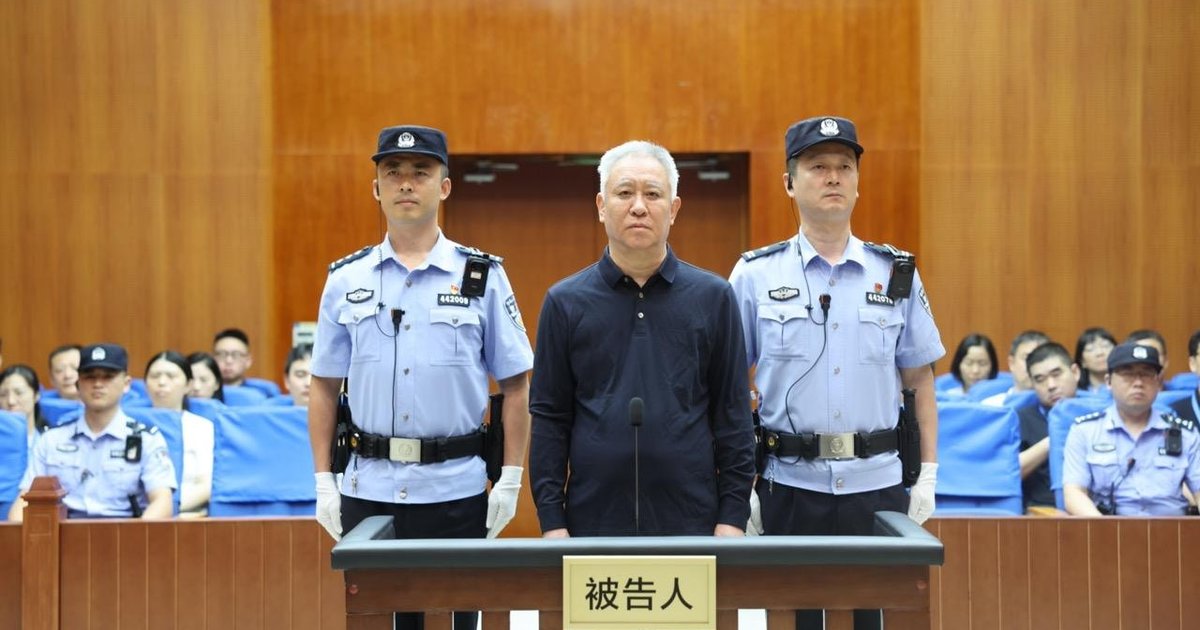
A Shenzhen intermediate court on August 20 sentenced China Evergrande founder Hui Ka-yan to life imprisonment, stripped him of political rights for life, and ordered the confiscation of all his personal assets. Evergrande Group and Evergrande Real Estate were fined a combined RMB15.82 billion, while 56 related defendants, including Hui's sons Hui Chi-kin and Hui Tang-he, received prison terms ranging from one year and 10 months to 18 years. The court said Hui and Evergrande-related entities committed multiple offences including illegal deposit-taking from the public, fundraising fraud, unlawful loan issuance, securities issuance fraud, and illegal disclosure violations, with Hui also convicted of illegal use of funds and occupational embezzlement. At the same time, creditors and liquidators have been pursuing Hui family's Hong Kong and overseas assets, including Peak mansions, yachts, aircraft and offshore trust structures linked to former wife Ding Yumei.
Key Points
- The Shenzhen court fined Evergrande Group RMB8.82 billion and Evergrande Real Estate RMB7 billion, bringing total corporate penalties to RMB15.82 billion.
- In related rulings the same day, 56 people including Hui Tang-he and Hui Chi-kin were sentenced to prison terms ranging from 18 years to one year and 10 months.
- Hong Kong court filings cited by HK01 show Hui held four Hong Kong properties, including three Peak houses on Bridle Path and a Tsim Sha Tsui flat
- One Bridle Path mansion, 10B, was sold by receivers in 2024 for HK$448 million, while the Austin Road flat was sold for HK$3.2 million to repay mainland debt
- Court documents also listed two Rolls-Royce Phantom cars, two yachts and three aircraft, while reports said Ding Yumei's overseas assets were valued at HK$2.22 billion in 2024
Why It Matters
For Hong Kong readers, the case matters because a significant share of the family's identifiable assets and recovery actions runs through Hong Kong property, court and liquidation channels. It also shows how mainland criminal penalties, Hong Kong winding-up proceedings and overseas freezing orders can converge when creditors pursue cross-border wealth structures tied to a major corporate collapse.