Nepal Landslide Triggers Flooding, Authorities Urge Downstream Evacuation
SingTao · 3 SOURCESabout 2 hours ago2 MIN
Summary
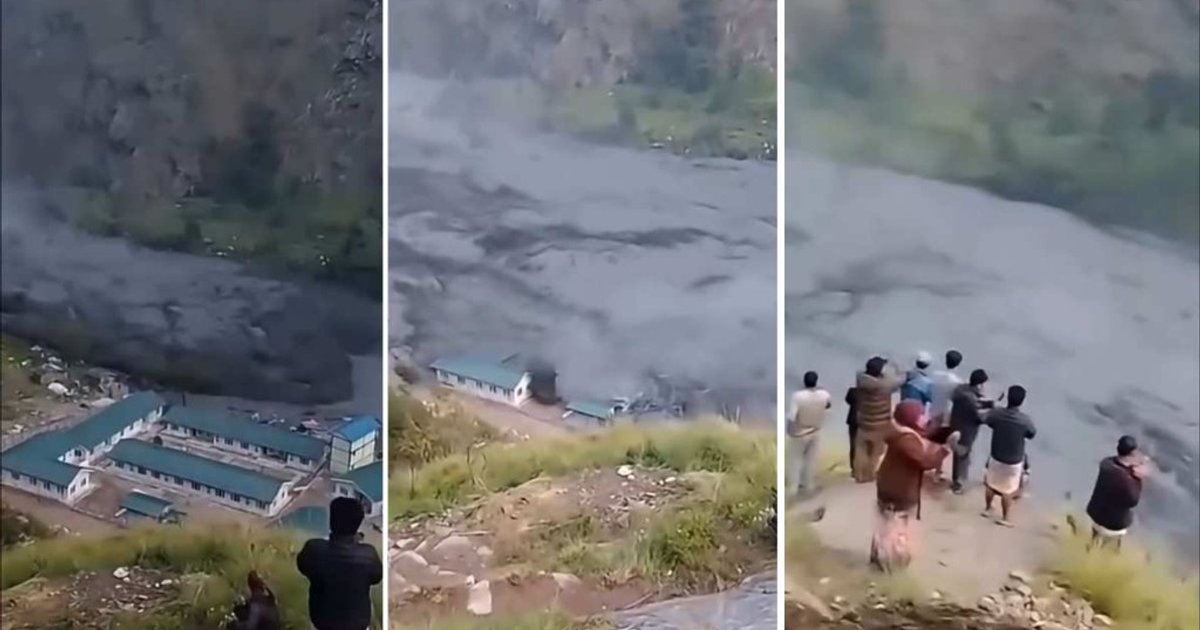
A landslide struck the Gorkha district of central Nepal on Sunday, blocking the Budhi Gandaki River and unleashing devastating floods downstream. The rushing waters swept away homes, bridges and critical infrastructure, severely damaging two local markets. The Nepal Army responded with aerial and ground rescue operations, extracting residents from danger zones as authorities called on downstream communities to evacuate. This incident follows a separate glacial disaster in August that claimed over 1,400 lives along another tributary of the Trisuli River.
Key Points
- The Budhi Gandaki River, a tributary of the Trisuli River system, experienced critical flooding after a landslide blocked its flow near Gorkha district on October 11, 2026
- Salleri Bazaar and Jagat Bazaar, two trading markets along the river, suffered extensive destruction from floodwaters and debris
- Multiple houses, two suspension bridges and a hydroelectric project were swept away by floodwaters, with dozens of residences damaged
- Nepal Army rescue teams deployed helicopters and ground forces to hazardous areas, evacuating six people and conducting search operations for missing residents
- The Trisuli River system experienced a separate catastrophic event in August when a glacial collapse triggered a massive landslide that killed over 1,400 people, with thousands still missing
Why It Matters
This flooding represents another devastating blow to Nepal's already strained disaster response capabilities, occurring just two months after the country's deadliest natural disaster in recent history. The concentration of infrastructure damage in market areas and along river valleys highlights the vulnerability of communities living near Himalayan waterways, where climate change is intensifying both glacial instability and extreme rainfall events. For Hong Kong residents, Nepal's recurring tragedies underscore the global scale of climate-driven disasters and the pressing need for international cooperation in early warning systems and humanitarian preparedness.
This flooding represents another devastating blow to Nepal's already strained disaster response capabilities, occurring just two months after the country's deadliest natural disaster in recent history. The concentration of infrastructure damage in market areas and along river valleys highlights the vulnerability of communities living near Himalayan waterways, where climate change is intensifying both glacial instability and extreme rainfall events. For Hong Kong residents, Nepal's recurring tragedies underscore the global scale of climate-driven disasters and the pressing need for international cooperation in early warning systems and humanitarian preparedness.