Interior Designer's Downfall: From Peak Success to Ruin (Part 2)
SingTao · 1 SOURCESabout 2 hours ago5 MIN
Summary
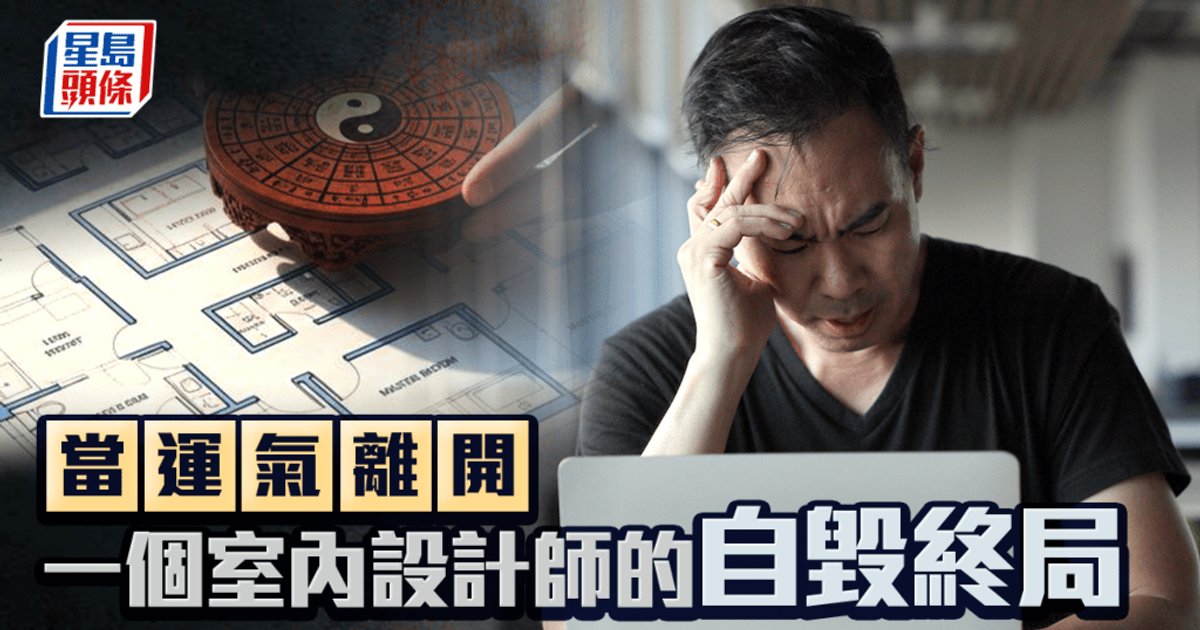
This is the second installment of a cautionary tale about Marcus, an interior designer whose initial success in the industry was followed by a dramatic fall from grace. After achieving rapid business growth through a combination of favorable timing and promising talent, Marcus made a series of self-destructive decisions that ultimately led to the collapse of his company and the loss of meaningful personal relationships. His story serves as a stark reminder of how overconfidence and reliance on superstition can derail even the most promising careers.
Key Points
- Marcus spent HK$800,000 decorating his new office with custom furniture, imported stone, designer lighting, and a champagne cabinet陈列名贵香槟
- Despite warnings from business associate Mr. L, Marcus believed an impressive office was essential for building client trust
- When business inquiries began to decline, Marcus consulted a self-proclaimed "monk" who prescribed playing Buddhist scriptures 24/7 and removing all feng shui items
- The monk claimed Marcus's lawyer girlfriend had clashing spiritual energy and must be avoided, leading Marcus to end the relationship
- Business associates noted that playing scriptures and burning incense created an unprofessional atmosphere that drove away both employees and clients
Why It Matters
Marcus's story illustrates how success built on luck rather than solid business fundamentals can be easily undone by poor decision-making. His reliance on superstition instead of addressing actual business problems demonstrates a critical failure in entrepreneurial judgment that cost him both his company and his relationship. For Hong Kong's competitive design industry, this case highlights the importance of maintaining professional credibility and making data-driven decisions over mystical solutions.
Marcus's story illustrates how success built on luck rather than solid business fundamentals can be easily undone by poor decision-making. His reliance on superstition instead of addressing actual business problems demonstrates a critical failure in entrepreneurial judgment that cost him both his company and his relationship. For Hong Kong's competitive design industry, this case highlights the importance of maintaining professional credibility and making data-driven decisions over mystical solutions.