HK$63 Million Mark Six Winner Sparks Public Housing Debate Over Cash Betting
Bastillepost · 1 SOURCESabout 1 hour ago2 MIN
Summary
A Mark Six lottery winner who allegedly lives in public housing has sparked heated online debate after revealing they deliberately used cash betting to evade the Housing Department's wealth review system. The winner collected over HK$63 million from the September 5, 2026 draw, which created multiple instant millionaires from a historic HK$228 million jackpot . The controversy highlights ongoing concerns about public housing allocation and wealth transparency in Hong Kong.
Key Points
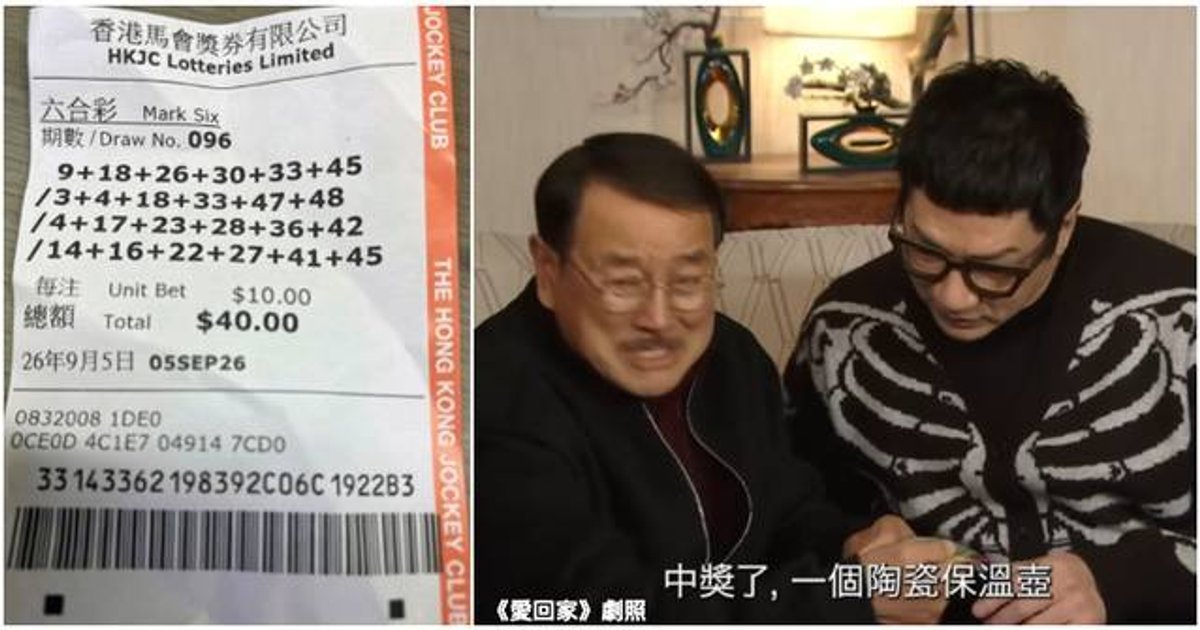
- The September 5, 2026 Mark Six draw (2026 Draw 96) produced winning numbers 9, 18, 26, 30, 33, 45, plus bonus number 28, with a total jackpot of HK$228 million distributed across 3.5 winning shares worth HK$63,376,610 each .
- A winner claiming to be a public housing tenant posted photos of their physical lottery ticket and a HSBC cheque for over HK$60 million, which they collected at the Hong Kong Jockey Club headquarters at 1 Sports Road, Happy Valley .
- The winner admitted to using cash betting instead of electronic methods specifically to avoid Housing Department records that could flag them as a "wealthy household" subject to higher rent or eviction .
- The administrator of the Facebook group "Study Mark Six Together!" verified the winner's authenticity by asking about JC's standard procedures, which the winner answered correctly .
- Online reactions were sharply divided, with some congratulating the winner while others urged them to surrender the public housing unit, with comments such as "With HK$60 million, buy a nice home for your family and return the flat to those in need" .
Why It Matters
The controversy exposes a potential loophole in Hong Kong's public housing regime, where wealthy residents may legally avoid disclosure by using cash transactions. The case has intensified public scrutiny of the Housing Department's monitoring mechanisms and reignited debates about fairness in public housing allocation during a period of severe housing shortages .
The controversy exposes a potential loophole in Hong Kong's public housing regime, where wealthy residents may legally avoid disclosure by using cash transactions. The case has intensified public scrutiny of the Housing Department's monitoring mechanisms and reignited debates about fairness in public housing allocation during a period of severe housing shortages .