Understanding Buddhist Art and Statuary Aesthetics at Tsz Shan Monastery
SingTao · 1 SOURCESabout 3 hours ago2 MIN
Summary
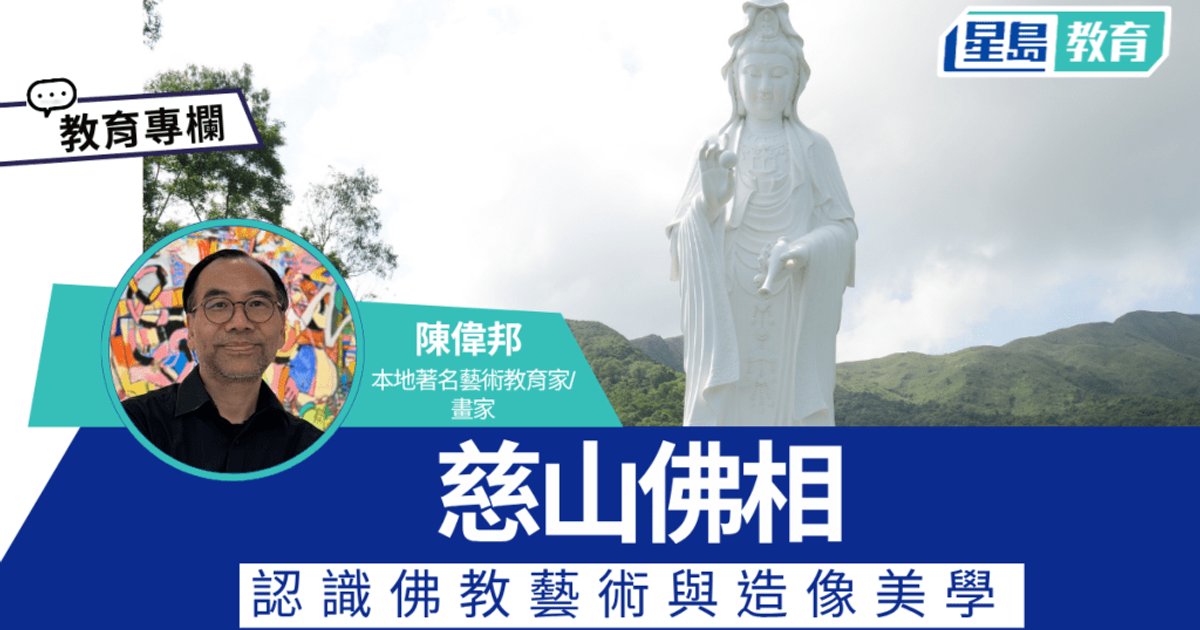
Art educator Chan Wai-bong recently attended a course at Tsz Shan Monastery in late July, exploring the art of observing Buddhist statues. The course examined how physical features of Buddha images reveal different historical periods, from the slender Northern Wei aesthetic to the fuller Tang dynasty style. Participants learned about symbolic elements including the ushnisha, white curl between eyebrows, and the patchwork kasaya robe.
Key Points
- The course, held in late July at Tsz Shan Monastery, attracted a full house with detailed explanations from the host and instructor on the methodology of "observing Buddha" .
- Northern Wei period Buddha statues reflect the "refined bone, clear image" aesthetic, featuring thin faces, pointed chins, and slender necks that embody scholar-like elegance and spiritual transcendence .
- High Tang dynasty Buddha images transformed into fuller, rounder appearances with full cheeks and even double chins, mirroring the era's prosperity and the aesthetic pursuit of plumpness and harmony .
- The Buddha's ushnisha, a fleshy bump atop the head, is one of the 32 auspicious marks (Lakshanas) in Buddhist tradition, believed to be naturally suited for wearing a crown .
- Between the eyebrows lies the white curl (urna), a soft white hair said to extend remarkably and emit light that manifests transformed Buddhas and Bodhisattvas, helping to dispel karmic obstacles .
- The kasaya robe, also called "field garment," is sewn from cloth patches arranged like rice paddies, symbolizing that practitioners sow merit fields for all beings .
- After the indoor lecture, participants visited the outdoor area to worship a massive white Guanyin statue, experiencing profound peace and spiritual joy .
Why It Matters
The course demonstrates how Buddhist art serves as a bridge between religious education and aesthetic appreciation, allowing participants to understand both spiritual symbolism and artistic evolution across Chinese dynasties. For Hong Kong residents seeking cultural enrichment, Tsz Shan Monastery's educational programs offer accessible opportunities to deepen their knowledge of traditional Chinese Buddhist heritage and statuary craftsmanship.
The course demonstrates how Buddhist art serves as a bridge between religious education and aesthetic appreciation, allowing participants to understand both spiritual symbolism and artistic evolution across Chinese dynasties. For Hong Kong residents seeking cultural enrichment, Tsz Shan Monastery's educational programs offer accessible opportunities to deepen their knowledge of traditional Chinese Buddhist heritage and statuary craftsmanship.