Meta Unveils Palm-Sized AI Device Muse Charm and Featherlight VR Glasses at Connect Conference
SingTao · 2 SOURCESabout 2 hours ago2 MIN
Summary
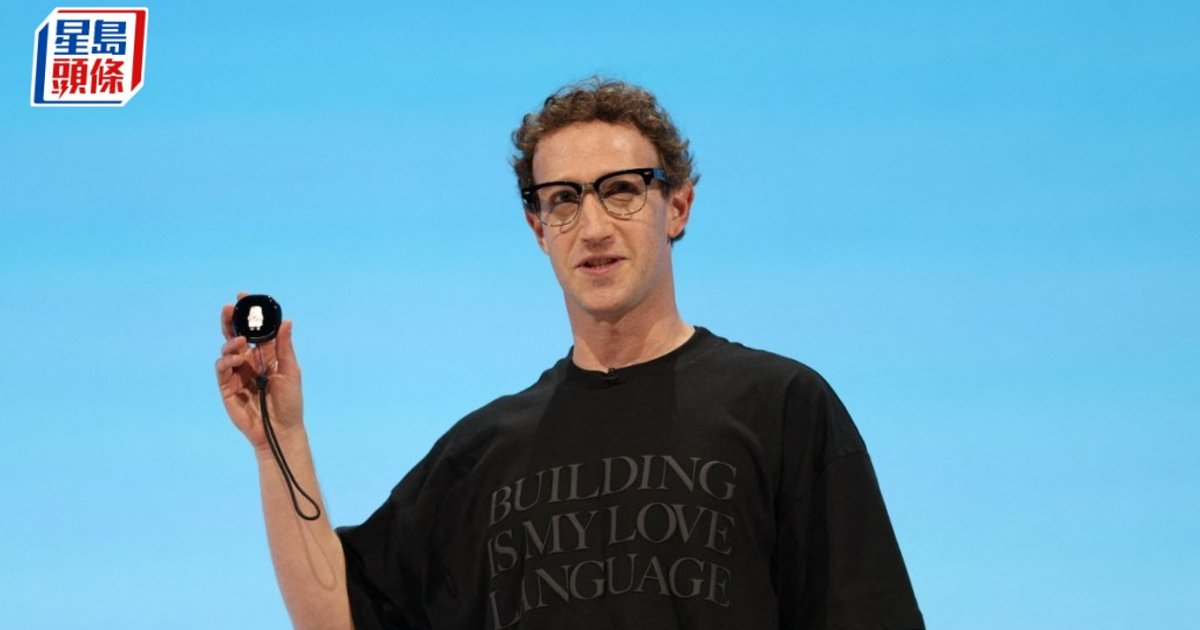
Meta CEO Mark Zuckerberg unveiled Muse Charm, a palm-sized AI device designed for the company's Muse AI assistant, at the annual Connect developer conference on September 24, 2026 . The device bears a striking resemblance to the 90s-era Tamagotchi electronic pet, featuring a transparent shell, approximately 2-inch OLED touchscreen, and 5G connectivity . Meta simultaneously launched Meta VR Glasses at $1,299, targeting the holiday shopping season with a product that weighs just 100 grams - roughly one-sixth of Apple's Vision Pro . These announcements mark Meta's ambitious expansion into AI agents and lightweight spatial computing devices.
Key Points
- Muse Charm features a 2-inch OLED touchscreen with fingerprint sensor, 5G module, and a customizable virtual Muse character displayed centrally
- The device can be worn on a wrist strap, placed in pockets, or attached to bags via lanyard, with transparent casing revealing internal circuits
- Two Muse Charm devices can recognize and interact with each other when users are in proximity
- Meta VR Glasses weigh approximately 100 grams, about one-sixth of Apple's Vision Pro and one-fifth of Meta Quest 3S
- VR Glasses use an external disc containing Qualcomm Snapdragon Reality Elite processor and battery, reducing headset weight
Why It Matters
Meta's aggressive pricing strategy - pricing VR Glasses at one-third of Vision Pro while achieving profitability per unit - signals a potential shift in the spatial computing market . Muse Charm's accelerated timeline, moving from a planned 2027 release to December 2026 holiday availability, demonstrates Meta's commitment to establishing the AI agent paradigm before competitors capture the market .
Meta's aggressive pricing strategy - pricing VR Glasses at one-third of Vision Pro while achieving profitability per unit - signals a potential shift in the spatial computing market . Muse Charm's accelerated timeline, moving from a planned 2027 release to December 2026 holiday availability, demonstrates Meta's commitment to establishing the AI agent paradigm before competitors capture the market .