Hong Kong five-year plan puts youth and AI first
Bastillepost · 5 SOURCESabout 3 hours ago6 MIN
Summary
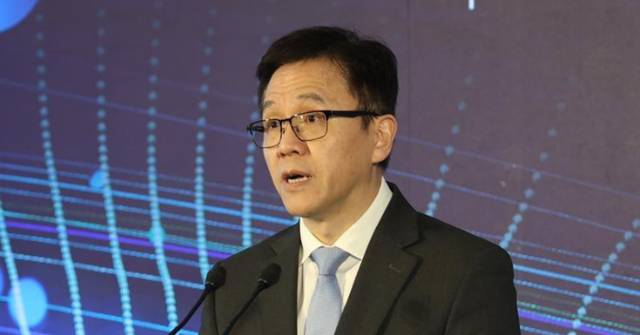
Hong Kong’s first five-year plan is being framed by the government as a long-term policy roadmap aligned with national development strategy, with youth and innovation placed at its core. Chief Executive John Lee Ka-chiu said both the five-year plan and the latest Policy Address put young people at the centre, while also pointing to the Northern Metropolis as a future hub for education, technology, industry, talent and housing. Separately, Secretary for Innovation, Technology and Industry Sun Dong (孫東) told lawmakers that the plan treats artificial intelligence as a key future industry and will advance an “AI+” agenda to expand computing infrastructure and speed up adoption by small and medium-sized enterprises. The latest briefings therefore show the plan operating on two tracks: building long-term economic capacity and trying to widen access to future opportunities for residents and businesses.
Key Points
- John Lee said on Sunday, October 5, that the five-year plan and Policy Address both place young people at the centre of Hong Kong’s future development.
- Lee said the plan aligns with national development strategy as global change, geopolitical tensions, rapid technological progress and economic uncertainty reshape the world.
- He described the Northern Metropolis, covering about one-third of Hong Kong’s land, as a future cluster for education, technology, industry, talent and livable communities.
- Sun Dong said on Monday, October 6, that Hong Kong will push an “AI+” strategy, treating artificial intelligence as an important industry for future growth.
- The Sha Ling data park has started construction and is expected by 2032 or earlier to deliver computing power 36 times current capacity, with at least HK$23.8 billion invested.
Why It Matters
For Hong Kong readers, the plan matters because it links headline policy goals to concrete areas that affect jobs, skills and business competitiveness, especially for younger workers and smaller firms. The emphasis on the Northern Metropolis and AI infrastructure suggests the government wants future growth to come from technology-led industries rather than relying only on traditional sectors.