European Green Crabs Devastate Maine's Clam Industry, Fishermen Struggle for Solutions
Bastillepost · 1 SOURCES1 day ago3 MIN
Summary
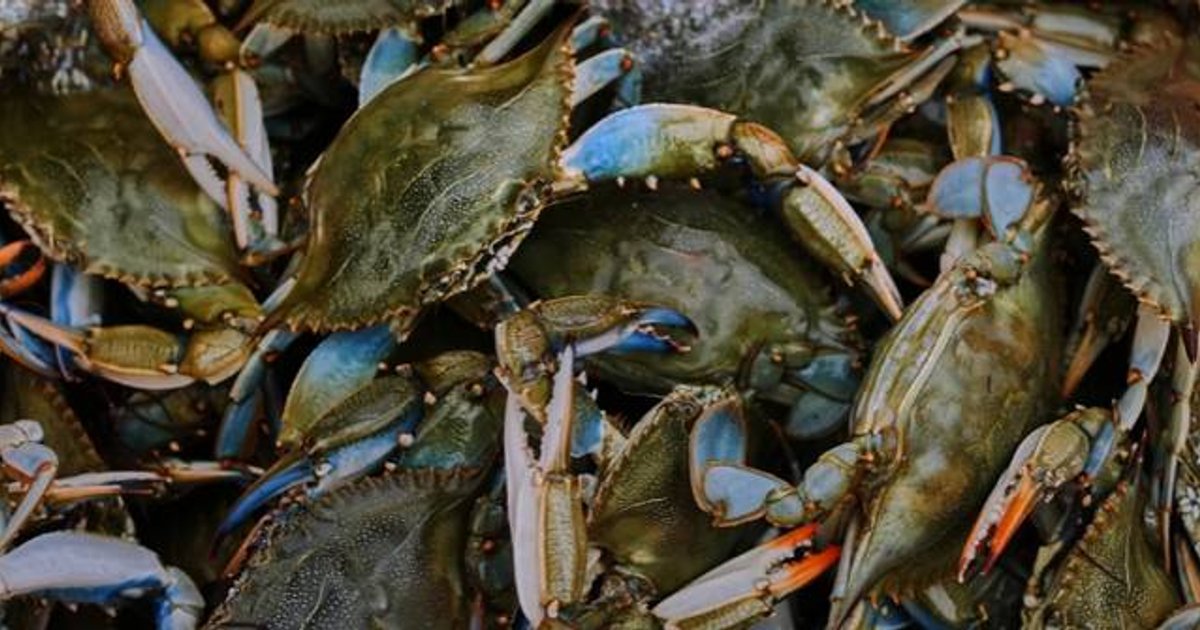
European green crabs have emerged as one of the most destructive invasive species along the North American east coast, devastating marine ecosystems from Maine to Canada. Listed among the world's 100 most harmful invasive species, these crustaceans destroy critical eelgrass habitats that support halibut, lobster, and other marine life . The crabs, introduced hundreds of years ago through ship ballast water, have found ideal conditions in warming ocean temperatures, accelerating their reproduction and spread . Their voracious appetite for mussels, oysters, and clams has caused soft-shell clam catches in Maine to collapse from over 7.8 million pounds in 1978 to just 1.3 million pounds in 2025—a decline of approximately 83% . While some restaurants are now featuring green crabs on their menus and seafood companies are developing new products, experts warn that consumption alone cannot solve the problem . The primary obstacle remains the complete absence of harvesting infrastructure and insufficient government support for fishermen .
Key Points
- Marine biologist Carolyn Tepolt (researching green crabs for 20 years) has confirmed these resilient predators will eat almost anything and reproduce at extraordinary rates
- Each female green crab can produce up to 185,000 eggs per spawning, one to two times annually, enabling rapid population expansion across eastern North America
- Soft-shell clam harvests in Maine have declined catastrophically from over 7.8 million pounds in 1978 to 1.3 million pounds in 2025
- Control efforts over the past two decades have remained limited to grassroots initiatives with minimal impact on green crab populations
- Manomet Conservation Sciences Vice President Marissa McMahan reports fishermen can catch unlimited green crabs but lack transportation to reach major markets in Boston and New York City
Why It Matters
The green crab invasion represents a warning sign of how climate-driven species migration can fundamentally alter marine ecosystems and destroy traditional fisheries that communities depend on. Without coordinated government intervention—including meaningful financial incentives, processing facilities, and transportation networks—local fishermen will continue to watch an abundant, harvestable resource go to waste while their traditional catch species disappear. Hong Kong, as a major seafood consumption hub, should monitor how North American regions address invasive species challenges, as similar ecological dynamics could affect global seafood supply chains and prices.
The green crab invasion represents a warning sign of how climate-driven species migration can fundamentally alter marine ecosystems and destroy traditional fisheries that communities depend on. Without coordinated government intervention—including meaningful financial incentives, processing facilities, and transportation networks—local fishermen will continue to watch an abundant, harvestable resource go to waste while their traditional catch species disappear. Hong Kong, as a major seafood consumption hub, should monitor how North American regions address invasive species challenges, as similar ecological dynamics could affect global seafood supply chains and prices.