HKU team develops 3D-printed reef tiles for coral recovery
AM730 · 1 SOURCESabout 2 hours ago2 MIN
Summary
A University of Hong Kong interdisciplinary team has developed what it describes as the world’s first 3D-printed terracotta coral reef tile, designed to give endangered corals a stable surface on which to attach and grow. The project was later commercialised through startup Archireef, which has expanded from Hong Kong trials into overseas markets
Key Points
- Coral reefs support about one quarter of marine life, but the IPCC estimates warm-water coral reefs could decline by 70% to 90% if global average temperatures rise by 1.5°C
- HKU PhD student Yu Bik-fan, Vriko, worked with the university’s Faculty of Architecture for eight years, combining marine ecology, architectural design and 3D printing
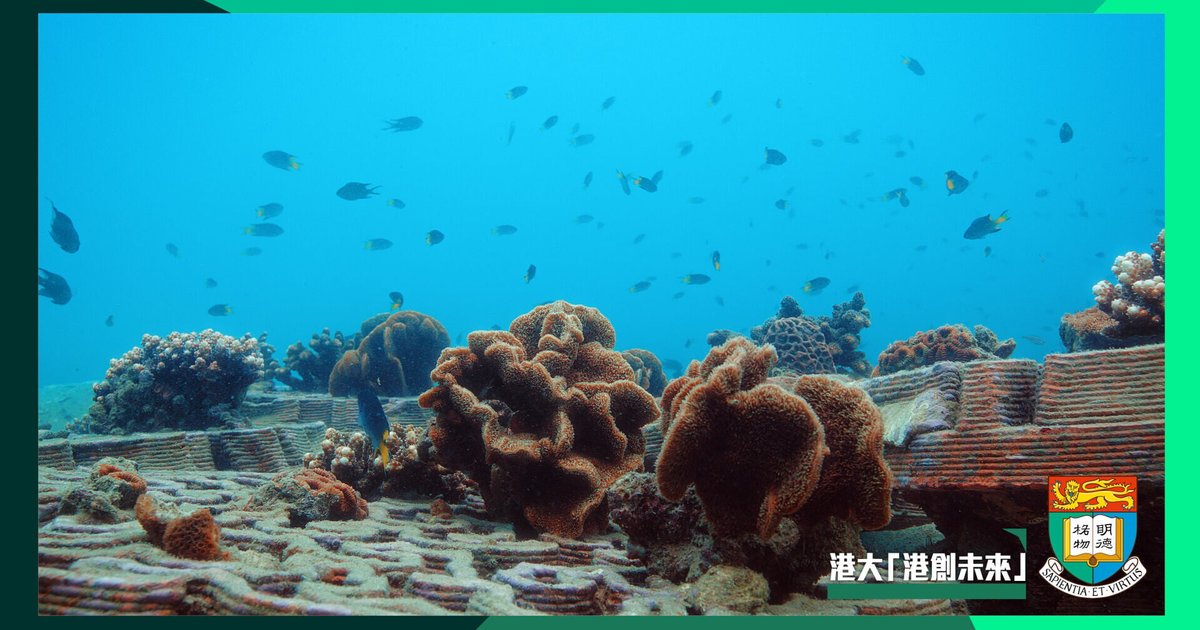
- The hexagonal tiles are made from natural terracotta, with grooves, pores and textured surfaces that mimic reef structures and can be joined to expand restoration areas
- In one Hong Kong project, tiles deployed for four years recorded about 90% coral survival, a sevenfold rise in fish numbers and a 45% increase in invertebrates
- Archireef was founded in 2020 by Vriko, marine ecologist Professor David Baker and mentor Deniz Tekerek, with HKU startup funding and iDendron support
Why It Matters
For Hong Kong, the project shows how local university research can move from laboratory work to environmental technology with export potential, while addressing damage to nearby marine habitats. It also points to a broader shift from selling a single restoration product to offering biodiversity monitoring and natural-risk management services aligned with ESG and disclosure frameworks