Sham Shui Po Man Contracts Melioidosis, Bringing Hong Kong to Eighth Case This Year
HK01 · 2 SOURCESabout 2 hours ago2 MIN
Summary
A 73-year-old man residing in Sham Shui Po has become the eighth melioidosis case recorded in Hong Kong this year, with health authorities confirming the patient's condition is stable. The individual, who has chronic underlying illnesses, began experiencing fever on July 31 and subsequently developed productive cough and breathing difficulties. He attended the emergency department of Caritas Medical Centre on August 10, where hospitalization was required. Clinical diagnosis indicated pneumonia, and laboratory tests confirmed a positive reaction to Burkholderia pseudomallei, the bacteria causing melioidosis.
Key Points
- Patient is a 73-year-old male with pre-existing chronic medical conditions living in Sham Shui Po district
- Symptoms began on July 31 with fever, followed by cough with phlegm and shortness of breath
- Man sought treatment at Caritas Medical Centre emergency department on August 10 and was admitted to hospital
- Clinical diagnosis confirmed as pneumonia; samples tested positive for melioidosis bacteria
- Hong Kong has recorded eight melioidosis cases this year as of August 13; 21 cases were reported in all of last year
- Preliminary investigation classifies the case as sporadic with no epidemiological connection to previous infections
Why It Matters
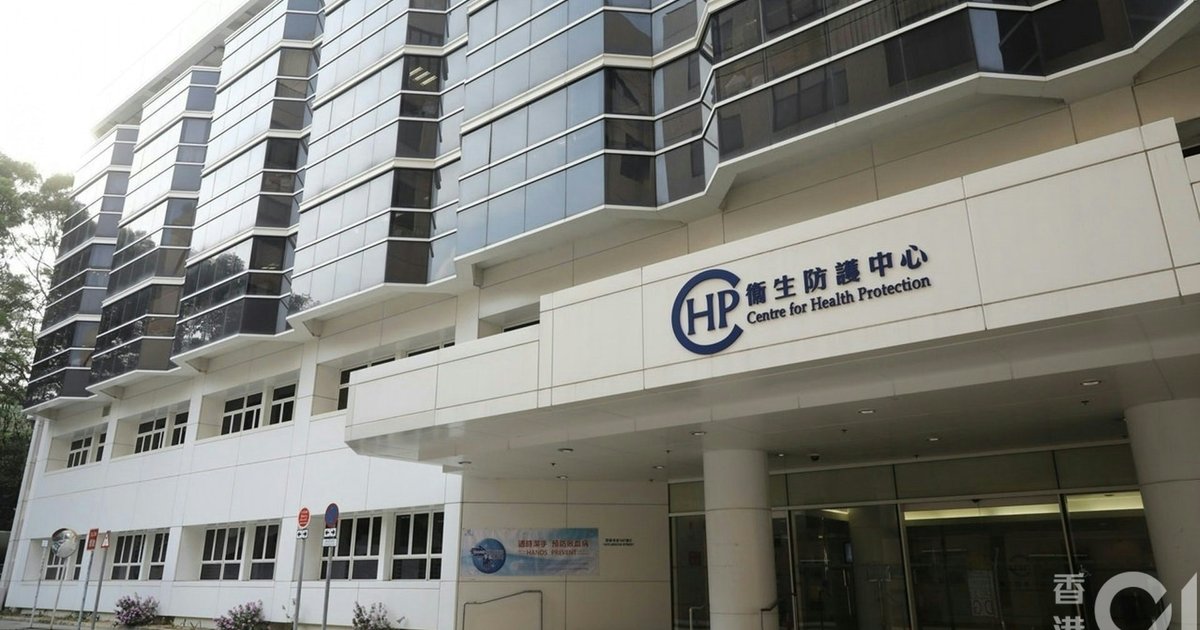
Melioidosis is classified as endemic in Hong Kong, meaning the disease is regularly found within the local population and environment without being imported from elsewhere. The Centre for Health Protection has emphasized that the causative bacteria does not transmit between humans or from animals to humans, yet it can survive in the local environment, making source identification challenging. This case adds to the annual tally of a disease that disproportionately affects individuals with weakened immune systems or chronic conditions, underscoring the importance of vigilance among high-risk populations during warmer months when bacterial exposure risks may increase.
Melioidosis is classified as endemic in Hong Kong, meaning the disease is regularly found within the local population and environment without being imported from elsewhere. The Centre for Health Protection has emphasized that the causative bacteria does not transmit between humans or from animals to humans, yet it can survive in the local environment, making source identification challenging. This case adds to the annual tally of a disease that disproportionately affects individuals with weakened immune systems or chronic conditions, underscoring the importance of vigilance among high-risk populations during warmer months when bacterial exposure risks may increase.