Actresses Reveal Past Wealthy Businessman Dinners on Web Radio Show
SingTao · 1 SOURCESabout 2 hours ago5 MIN
Summary
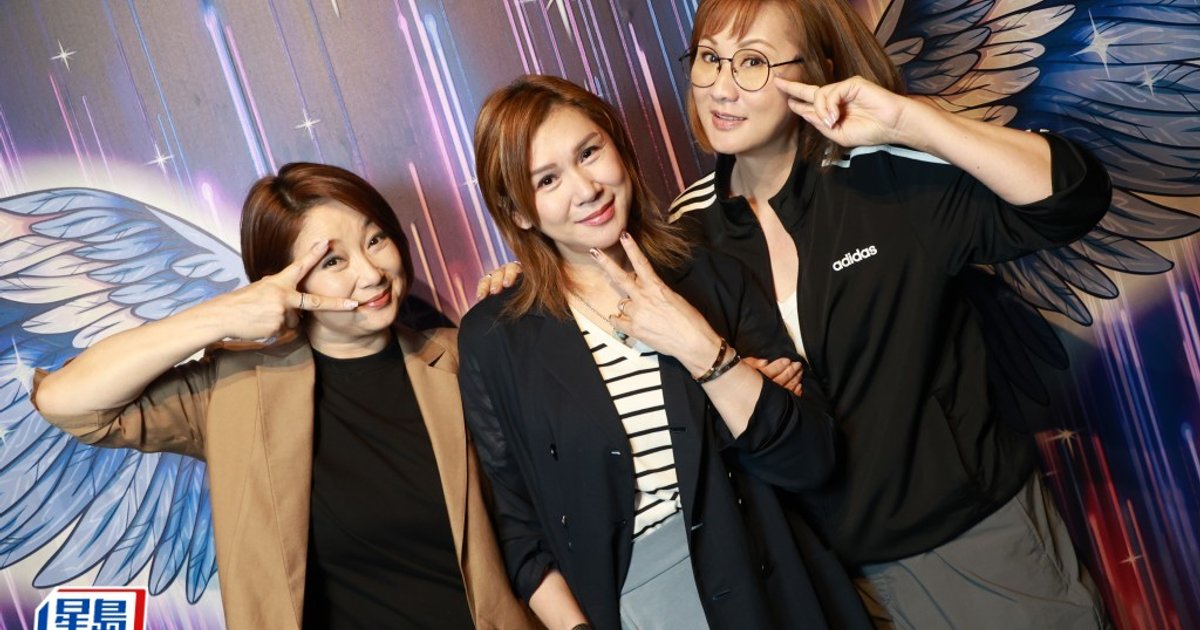
Actresses Chung Shuk-wai (鍾淑慧) and Choi Gaabor (崔加寶) have been hosting the web radio program "BoBo Kingdom: Girlfriends Edition" every Wednesday at 9pm, joined occasionally by their longtime friend Wong Yee-kwan (王綺琴). During the show, Chung revealed details about attending wealthy businessman dinners during her younger years, while Choi shared her struggles with postpartum depression that led to an explosive incident with her husband. The three actresses, who met in their early careers, engaged in heartfelt discussions about aging, health challenges, and their experiences navigating the entertainment industry.
Key Points
- Chung Shuk-wai revealed she attended wealthy businessman dinners when young, describing them as casual gatherings with business people and artists, not exploitative encounters
- Choi Gaabor suffered from postpartum depression and once kicked through her car windshield during an argument with husband Derek Chau (周文曦), prompting her to seek Chinese medicine treatment
- Wong Yee-kwan once publicly called Chung "useless" during a trip when Chung wanted to sleep instead of doing yoga, a comment Chung says still hurts her today
- Chung clarified she does not possess HK$100 million in wealth, stating her husband Wu Dai-yong (吳岱融) still works and her son has become independent
- Wong Yee-kwan underwent surgery for a brain aneurysm and requires brain scans every five years to monitor her health
Why It Matters
This candid discussion offers rare insights into the personal struggles and realities faced by Hong Kong actresses who came of age during the industry's more unregulated era. The women's openness about mental health, aging, and career challenges provides relatable experiences for viewers navigating similar life transitions, while their clarifications about past industry practices help contextualize historical entertainment practices for modern audiences.
This candid discussion offers rare insights into the personal struggles and realities faced by Hong Kong actresses who came of age during the industry's more unregulated era. The women's openness about mental health, aging, and career challenges provides relatable experiences for viewers navigating similar life transitions, while their clarifications about past industry practices help contextualize historical entertainment practices for modern audiences.