HK Diners Slam Tsim Sha Tsui Chaoshan Hotpot Over Service, Food Quality
SingTao · 1 SOURCESabout 4 hours ago2 MIN
Summary
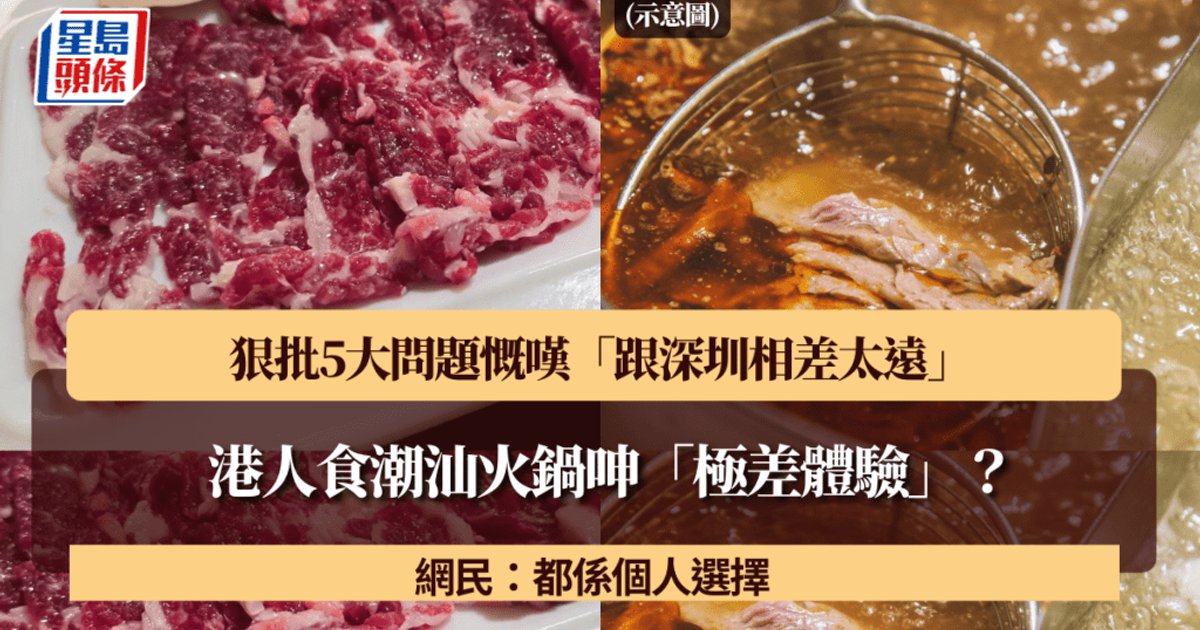
A Hong Kong resident has shared a scathing review of their dining experience at a Chaoshan beef hotpot restaurant in Tsim Sha Tsui, listing five major complaints that left them questioning their choice. The diner, posting on the social platform Threads, criticized everything from staff conduct to food quality, ultimately concluding that similar establishments across the border in Shenzhen offer a far superior experience. The post has resonated with other Hong Kong food lovers, sparking discussion about the standards of local Chaoshan hotpot restaurants versus those across the boundary.
Key Points
- The diner arrived at the Tsim Sha Tsui restaurant and was immediately pressured by staff to select a soup base before even reviewing the menu options
- Attempting to order via the table's QR code system failed because there was no network connection, forcing manual ordering instead
- The tomato and satay soup bases were described as disappointingly weak, and while the beef was fresh, it lacked distinctive flavor with no memorable quality
- After adding items midway through the meal, the diner waited 45 minutes for the additional dishes despite two reminders, and received the wrong items
- Staff were courteous but inadequately trained—one nearly spilled hot soup on customers at a neighboring table—and restroom facilities were left soaking wet after other patrons used them
Why It Matters
The review highlights growing consumer expectations for quality and service in Hong Kong's competitive hotpot market, where diners increasingly compare local offerings with establishments across the boundary in Shenzhen . This case underscores the importance of staff training and operational consistency, particularly for restaurants promoting premium hand-cut beef that command higher prices . As cross-border dining becomes more accessible, Hong Kong restaurants face pressure to justify their pricing by delivering experiences that match or exceed what customers can find across the border .
The review highlights growing consumer expectations for quality and service in Hong Kong's competitive hotpot market, where diners increasingly compare local offerings with establishments across the boundary in Shenzhen . This case underscores the importance of staff training and operational consistency, particularly for restaurants promoting premium hand-cut beef that command higher prices . As cross-border dining becomes more accessible, Hong Kong restaurants face pressure to justify their pricing by delivering experiences that match or exceed what customers can find across the border .