Hong Kong sues mask supplier over Japan-made claim
HK01 · 3 SOURCESabout 4 hours ago5 MIN
Summary
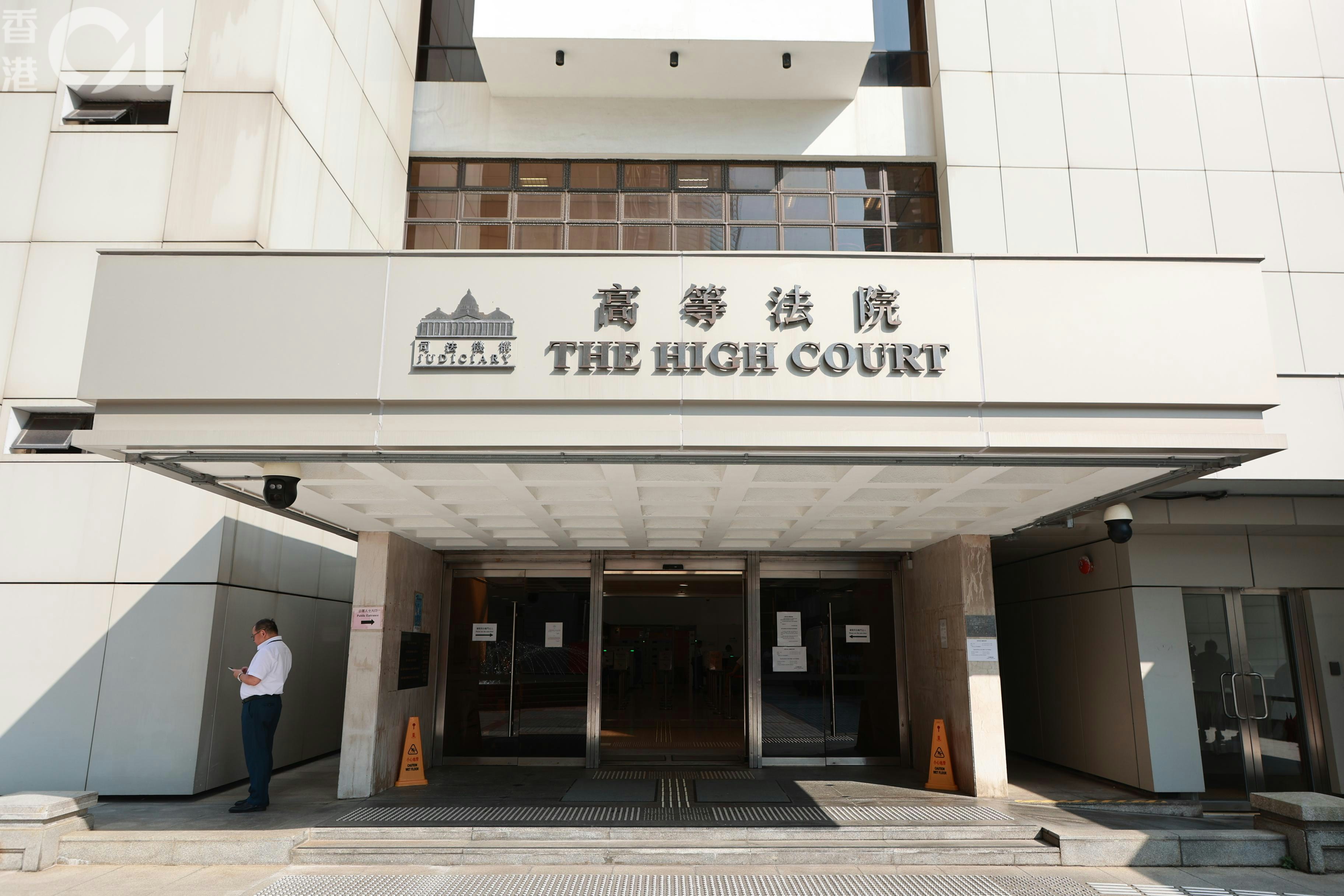
A High Court case opened on November 10 over the government's pandemic-era purchase of 32 million masks from local supplier Pardie Global Limited for about HK$97 million under four contracts that specified the masks were made in Japan by a Japanese manufacturer. The Secretary for Justice, acting for the Director of Government Logistics, alleges about 85% of the masks delivered were actually made in mainland China, amounting to fraud, misrepresentation and breach of contract. The government says the supplier did not order enough masks from the Japanese manufacturer to fill the public order and instead prioritised a more profitable HSBC order for 1.8 million Japan-made masks. The defendants deny intentional fraud, saying supply problems arose later at the Japanese factory and that HSBC's earlier delivery schedule explained why those masks were supplied first.
Key Points
- The plaintiff is the Secretary for Justice, suing Pardie Global Limited and director Lau Kwan-ming (劉君明) in High Court case HCA 123/2021.
- Government Logistics Department paid about HK$97 million for 32 million masks, with the claim seeking roughly HK$97.74 million plus interest and damages.
- According to the opening, four contracts stated all masks were manufactured in Japan by a Japanese manufacturer, but about 85% delivered were mainland-made.
- The government says its August 2020 investigation found the defendants' orders from the Japanese manufacturer were below 32 million, insufficient to fulfil the state order.
- Prosecutors allege the supplier submitted documents, including a test report said to have been conducted in Osaka, and falsely claimed all masks were Japanese-made.
Why It Matters
The case goes to the handling of emergency public procurement during a period of acute shortage, when the government was buying essential protective equipment under intense pressure. For Hong Kong readers, the outcome may shape expectations over supplier verification, contract enforcement and accountability when public money is spent in future crises.