US Army blast plan in Iowa sparks lead dust fears
Crhk · 2 SOURCESabout 19 hours ago2 MIN
Summary
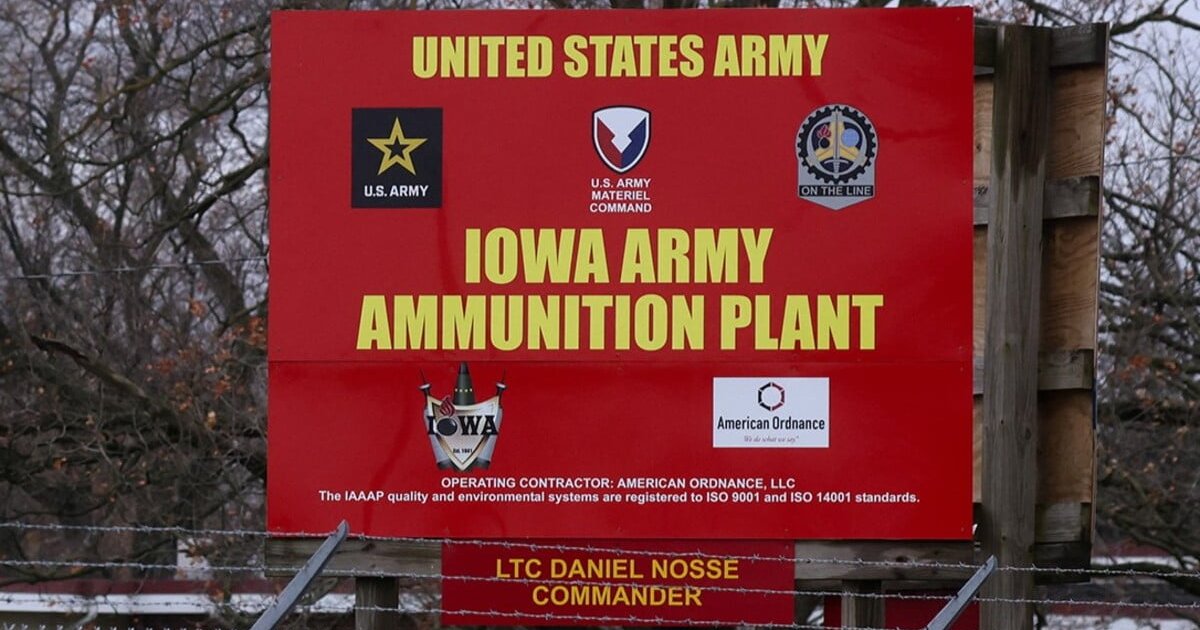
The US Army is moving ahead with plans to detonate 68 barrels of toxic lead-containing explosive material at the Iowa Army Ammunition Plant in Middletown, Iowa, after a federal appeals court rejected an emergency request from environmental groups and lifted a temporary block on the environmental permit.
The material, described as nearly five tonnes and stored for more than 20 years, has deteriorated and recrystallised, and the Army says winter cold could further destabilise it and raise the risk of an accidental explosion.
Residents and environmental groups have challenged the plan, warning that toxic lead dust could spread through the air, affect groundwater and reach nearby towns in Iowa and even neighbouring Illinois.
Official notices also warned of possible localised window damage, told some residents to leave their homes for six hours, and advised people nearby to stay indoors with doors and windows shut.
Key Points
- The Army plans a controlled detonation at the Iowa Army Ammunition Plant in Middletown, involving 68 barrels of lead-containing explosive material weighing nearly five tonnes.
- The stockpile had been stored for more than 20 years, and the Army said deterioration and recrystallisation made the material unstable and unsafe to move.
- The Army argued winter low temperatures could further destabilise the material and create a high risk of self-detonation, prompting use of an emergency exemption.
- A federal appeals court on Monday approved the blast plan after rejecting an emergency request from environmental groups and lifting a temporary freeze on the permit.
- Public notices warned some nearby homes could suffer localised window damage, required certain residents to leave for six hours, and urged others to remain indoors.
Why It Matters
For Hong Kong readers, the dispute shows how governments can face sharp public resistance when urgent safety action collides with fears over toxic pollution and transparency.
It also underlines how court rulings, emergency exemptions and official risk communication can quickly shape whether hazardous-material operations proceed despite community objections.