Elephants Trample Poacher to Death at South Africa's Kruger National Park
AM730 · 1 SOURCES1 day ago2 MIN
Summary
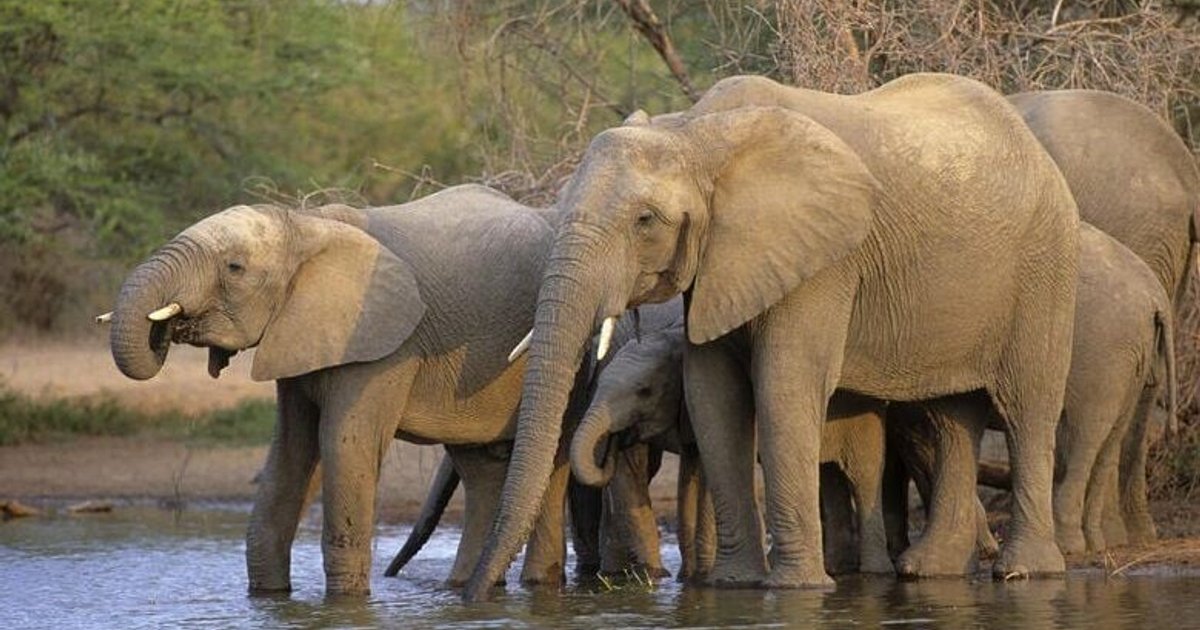
Two poachers who infiltrated South Africa's Kruger National Park on September 16, 2026, met a violent end when a herd of African elephants attacked them as they attempted to target rhinos for their valuable horns. The incident occurred near a watering hole where a rhino group was drinking, and elephants resting in the shade suddenly charged at the intruders. One poacher was trampled to death with such force that his body was driven deep into the ground, leaving only his blood-soaked clothing behind. His surviving accomplice escaped and subsequently reported his companion's disappearance to park authorities. South African National Parks spokesperson JP Louw confirmed the incident, noting that the surviving poacher led rangers back to the scene, where they found only the victim's garments and a large pool of blood. The event has ignited fierce discussions on social media platforms, where commentators overwhelmingly supported the elephants' actions as a form of natural retribution against illegal wildlife trade.
Key Points
- The attack took place at Kruger National Park, where approximately 1,850 white rhinos reside
- The poachers were equipped with rifles and axes, intending to cut off and sell rhino horns
- Elephants from a nearby shaded area suddenly charged at the two men, targeting the one holding the gun first
- The surviving poacher escaped and later notified authorities about his companion's fate
- Rhino horns command black market prices exceeding 10,000 GBP (approximately 105,609 HKD) per kilogram
Why It Matters
This incident underscores the dangerous reality of rhino poaching, where criminals risk not only legal prosecution but also violent encounters with the wildlife they target. The overwhelmingly positive public reaction to the poacher's death reflects growing global frustration with illegal wildlife trade, particularly for rhino horns that have no proven medicinal properties yet continue to fuel organized crime. Similar incidents occurred in 2018 and 2019, suggesting that animals may increasingly act as unwilling enforcers against poaching operations, potentially altering the risk calculus for those considering such crimes.
This incident underscores the dangerous reality of rhino poaching, where criminals risk not only legal prosecution but also violent encounters with the wildlife they target. The overwhelmingly positive public reaction to the poacher's death reflects growing global frustration with illegal wildlife trade, particularly for rhino horns that have no proven medicinal properties yet continue to fuel organized crime. Similar incidents occurred in 2018 and 2019, suggesting that animals may increasingly act as unwilling enforcers against poaching operations, potentially altering the risk calculus for those considering such crimes.